Scotland — with England, Frankfurt and Geneva in the middle — in the order he lived it: a castle pulpit, nineteen months at a galley's oar, a schoolroom in Calvin's Geneva, and a thundering pulpit on the Royal Mile.
How this route works. The stops are in life order, not driving order — a biography you walk, not an optimised itinerary, and we do not promise distances or travel times. Knox wrote his own era's history, which is a gift and a trap: where a stop depends on Knox's own History — the interviews with Mary, Queen of Scots above all — the page attributes it to him by name. His birth year is uncertain and printed as c. 1514. This route crosses our Calvin route in Geneva, where their lives actually overlapped. Affiliate note: the “Plan this stop” boxes carry affiliate links (marked; you pay the same) and official links (marked “Official link”) — no provider paid for a stop to be included.
Your pilgrim stamps — 0 of 6 stops
Stamps live only on this device (browser local storage, key pilgrimage_stamps_v1) — never sent to a server, and they work offline. A stamp is your own honest record, nothing more.
STOP 1c. 1514
Haddington — The Schoolboy of East Lothian
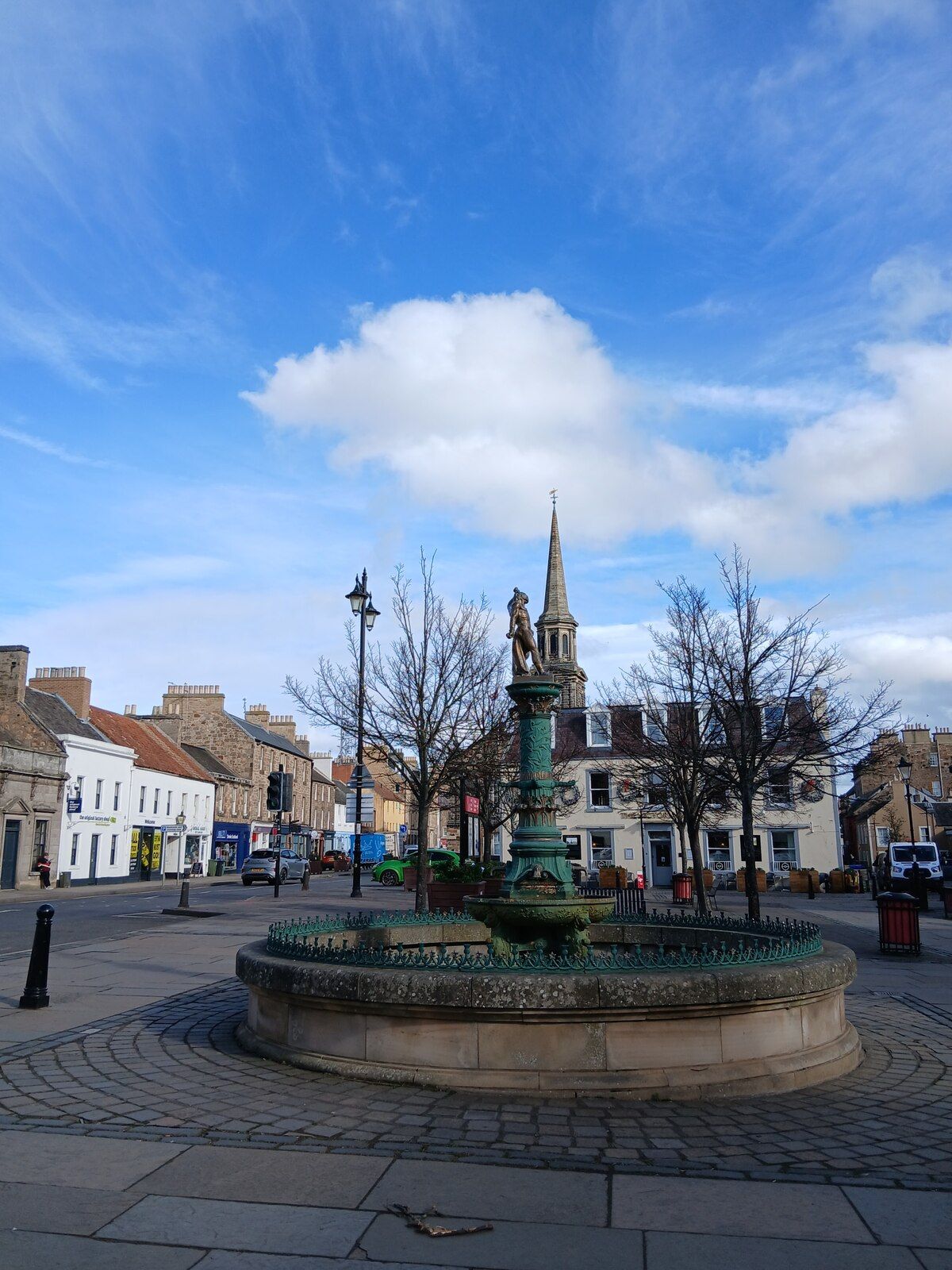
John Knox was born around 1514 — the year is genuinely uncertain, and this page prints it as “c. 1514” throughout — in or near Haddington, a market town east of Edinburgh, in the photograph. His family were small landholders; the boy went to the town's grammar school and then to university, probably St Andrews. Almost nothing physical survives of Knox's Haddington, and this stop says so: it is a beginning-of-the-map stop, the ordinary Scottish burgh that produced the least ordinary Scot of his century.
Why it matters: Haddington is the route's honest blank page: some lives begin in documented obscurity, and the route starts where the record does.
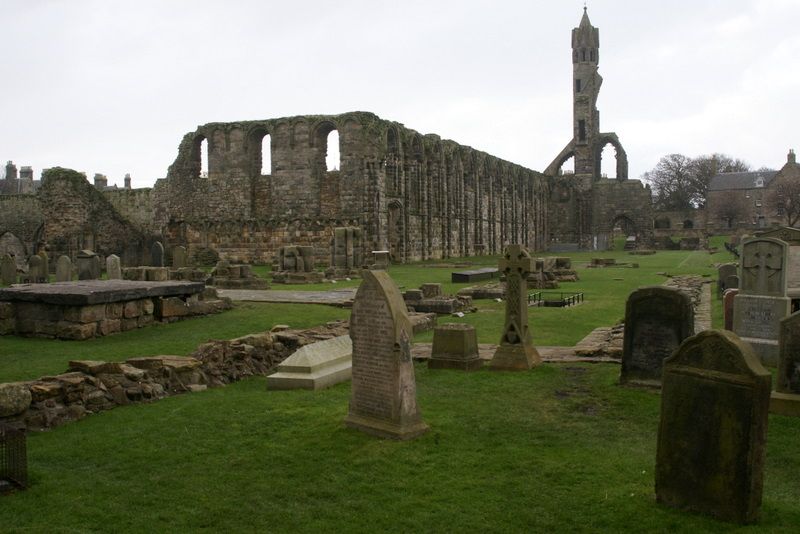
Knox enters history at St Andrews, Scotland's church capital, whose cathedral ruins stand in the photograph. Ordained a priest and working as a notary and tutor, he attached himself to the reformer George Wishart, whom he accompanied as a bodyguard with a two-handed sword before Wishart's arrest and burning in 1546. In 1547, after Cardinal Beaton's murderers seized St Andrews Castle, Knox joined them inside — and preached his first sermon in the parish church. That summer a French fleet took the castle, and Knox spent nineteen months as a galley slave, rowing a French war galley, an experience he never forgot and Scotland never stopped quoting.
Why it matters: St Andrews is the route's fire stop: a tutor with a sword, a castle pulpit, and nineteen months at an oar — the making of the thunder in his later preaching.
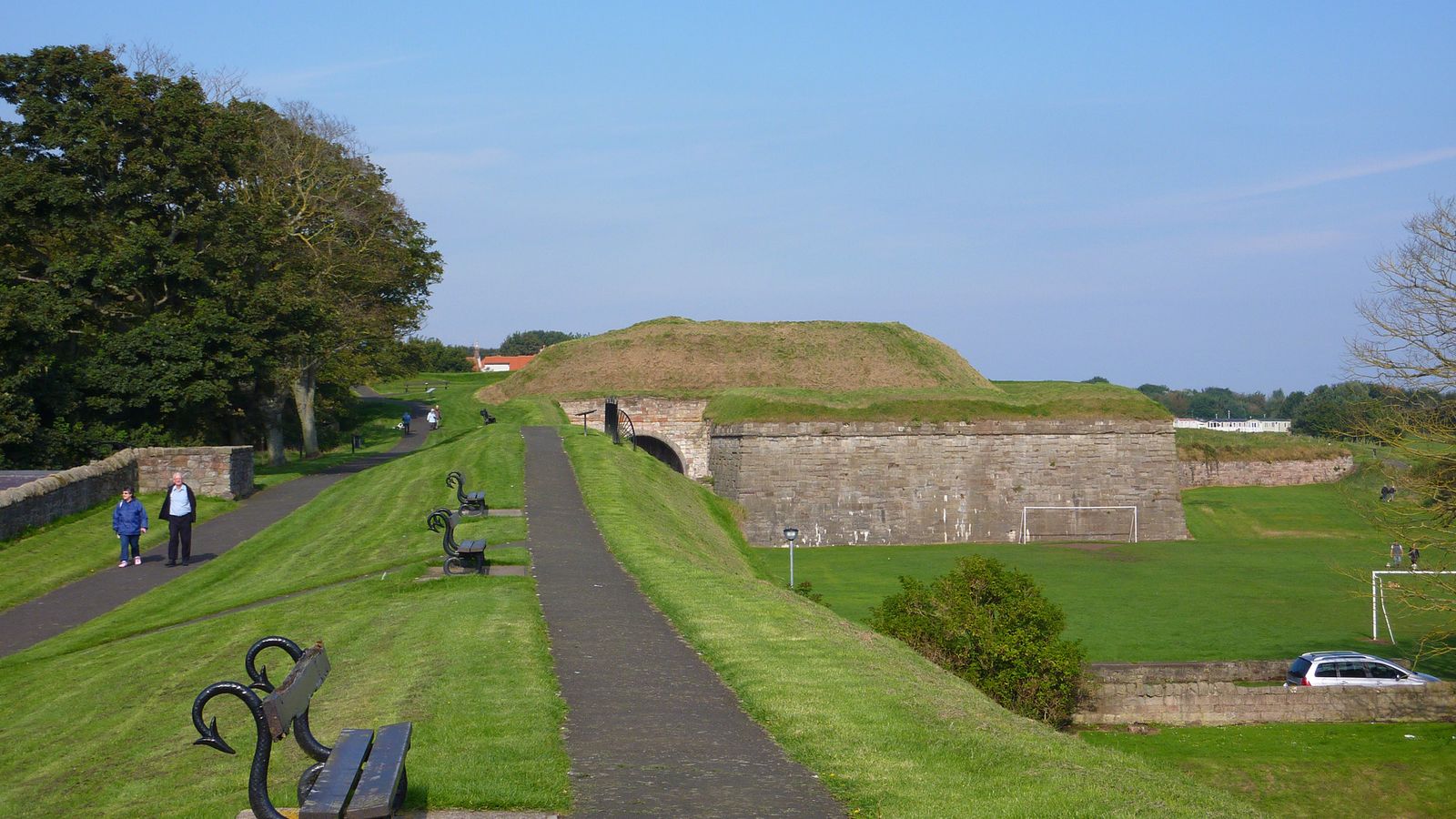
Released from the galleys in 1549, Knox crossed into Edward VI's Protestant England and found a pulpit: first at Berwick-upon-Tweed, the border fortress town in the photograph, then Newcastle, and finally as a royal chaplain — he was offered a bishopric and refused it, and his objections helped shape the second Book of Common Prayer. The England chapter ended with Edward's death: when Mary I restored Catholicism in 1553, Knox was exactly the kind of man who had to leave. The border walls he preached beside still walk the town's edge; they are Berwick's, and his two years here are a matter of record, not romance.
Why it matters: Berwick is the route's apprenticeship stop: five English years turned a castle preacher into a churchman with a national stage — and then took the stage away.
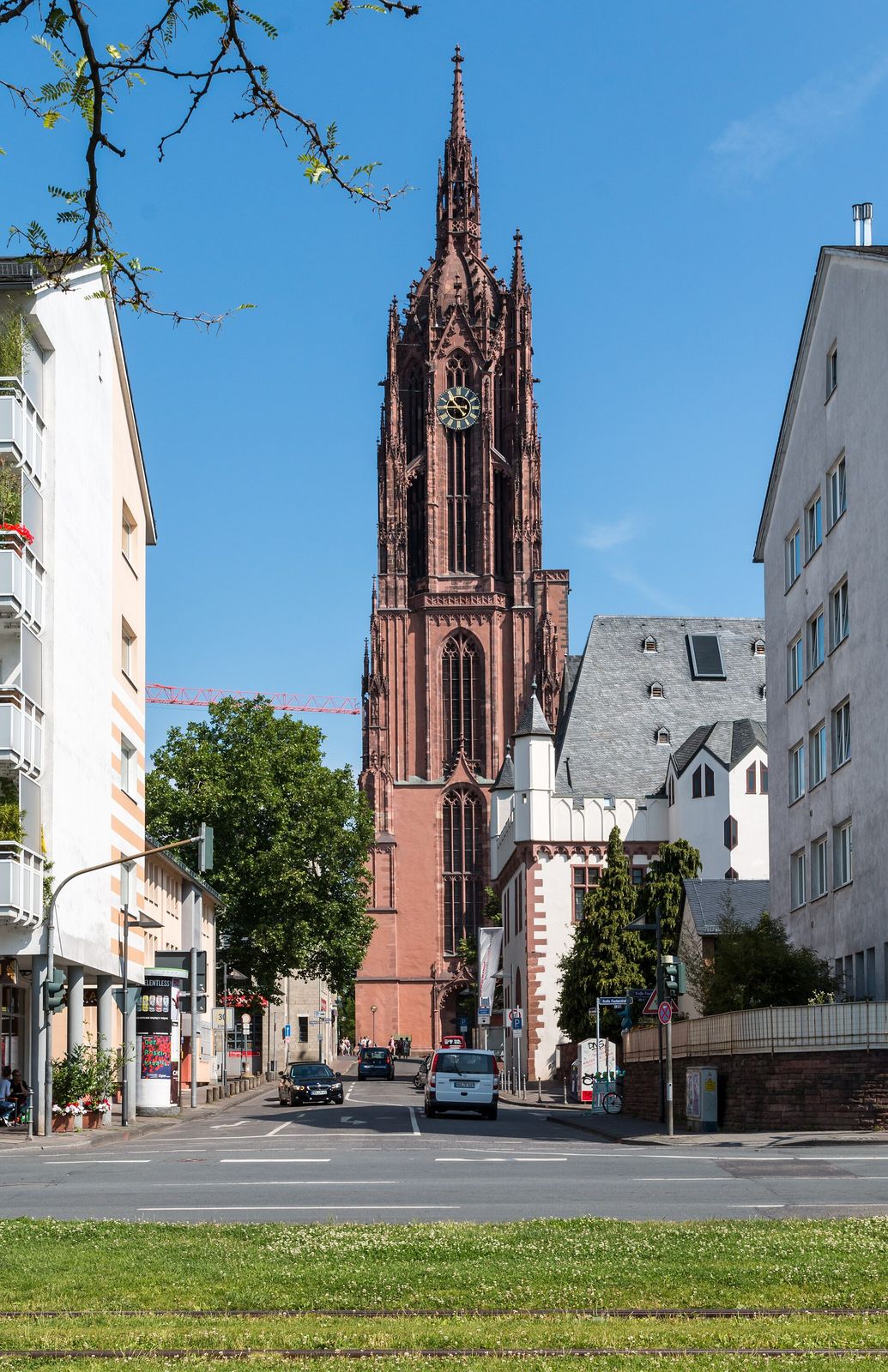
Exile took Knox to Frankfurt am Main, where English Marian exiles had gathered a congregation — and promptly split over how English their reformed worship should be. The “Troubles at Frankfurt”, as the quarrel is known in the sources, ended with Knox expelled from the city's pulpit after a political denunciation. The cathedral in the photograph is Frankfurt's Kaiserdom, backdrop to a chapter this route keeps deliberately unglamorous: reformers quarrelling with reformers, in print, in a borrowed church — the part of church history that forms character by friction. From Frankfurt, Knox's road ran south to the city that would remake him.
Why it matters: Frankfurt is the route's friction stop: exile communities argue, and this one's argument pushed Knox toward Geneva — sometimes a closed door is an itinerary.
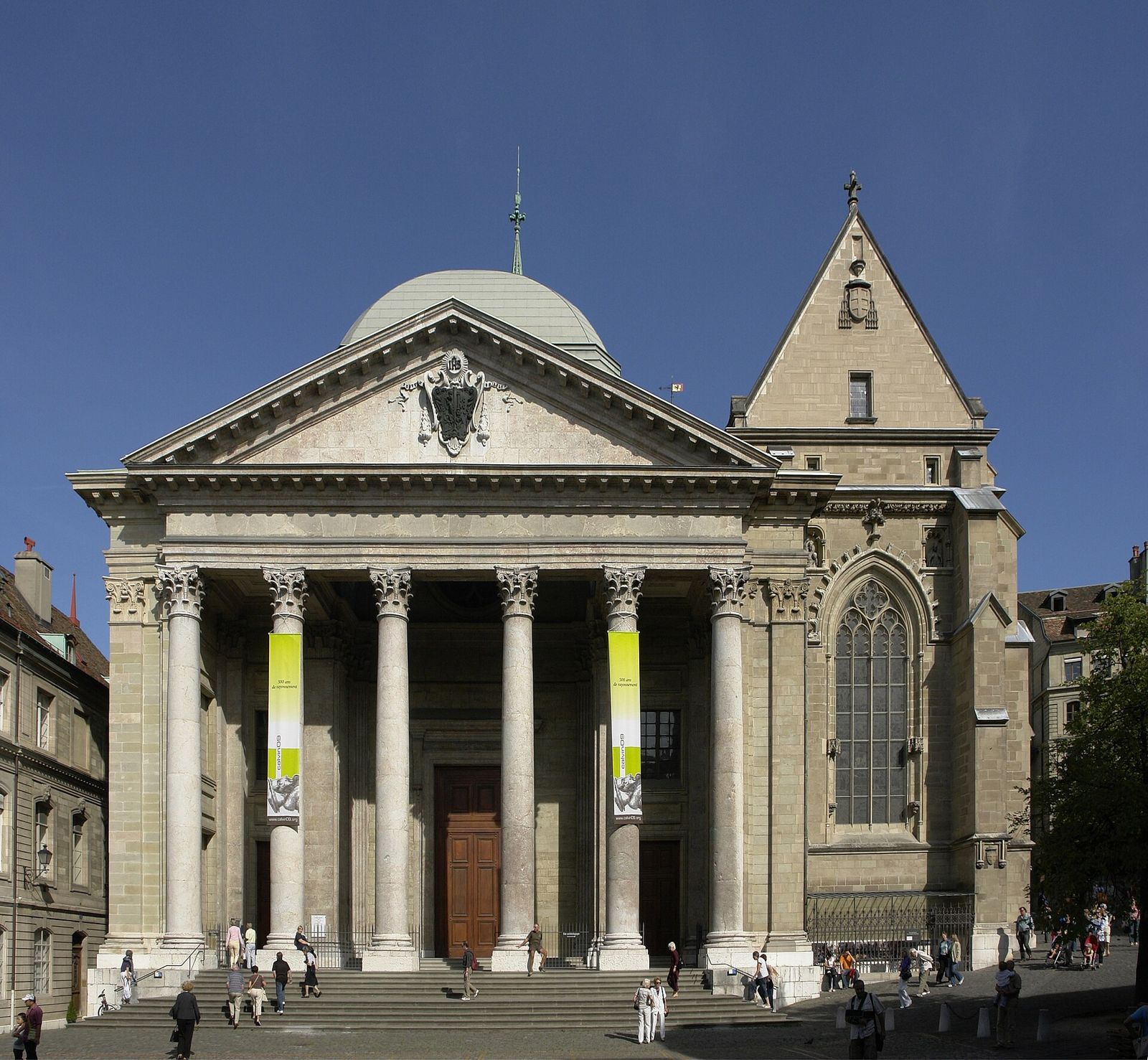
Geneva gave Knox what he called — in a 1556 letter home — “the most perfect school of Christ that ever was in the earth since the days of the apostles”. Pastor of the English refugee congregation, which worshipped at the Église de Notre-Dame-la-Neuve, he sat under Calvin's preaching at St Pierre, in the photograph, watched a refugee church run on Genevan order, and prepared the Geneva Bible's world and the Book of Common Order his Scotland would adopt. In 1558 he also published from this world his most notorious pamphlet, the First Blast of the Trumpet Against the Monstrous Regiment of Women, aimed at the Catholic queens then ruling — a work whose argument Scotland's own soon-to-be Protestant politics made awkward, recorded here as a fact of the bibliography, in the same plain type as everything else.
Why it matters: Geneva is this route's schoolroom — and the hinge of two routes: Calvin's Geneva stops tell the host's life; this one tells the student's.
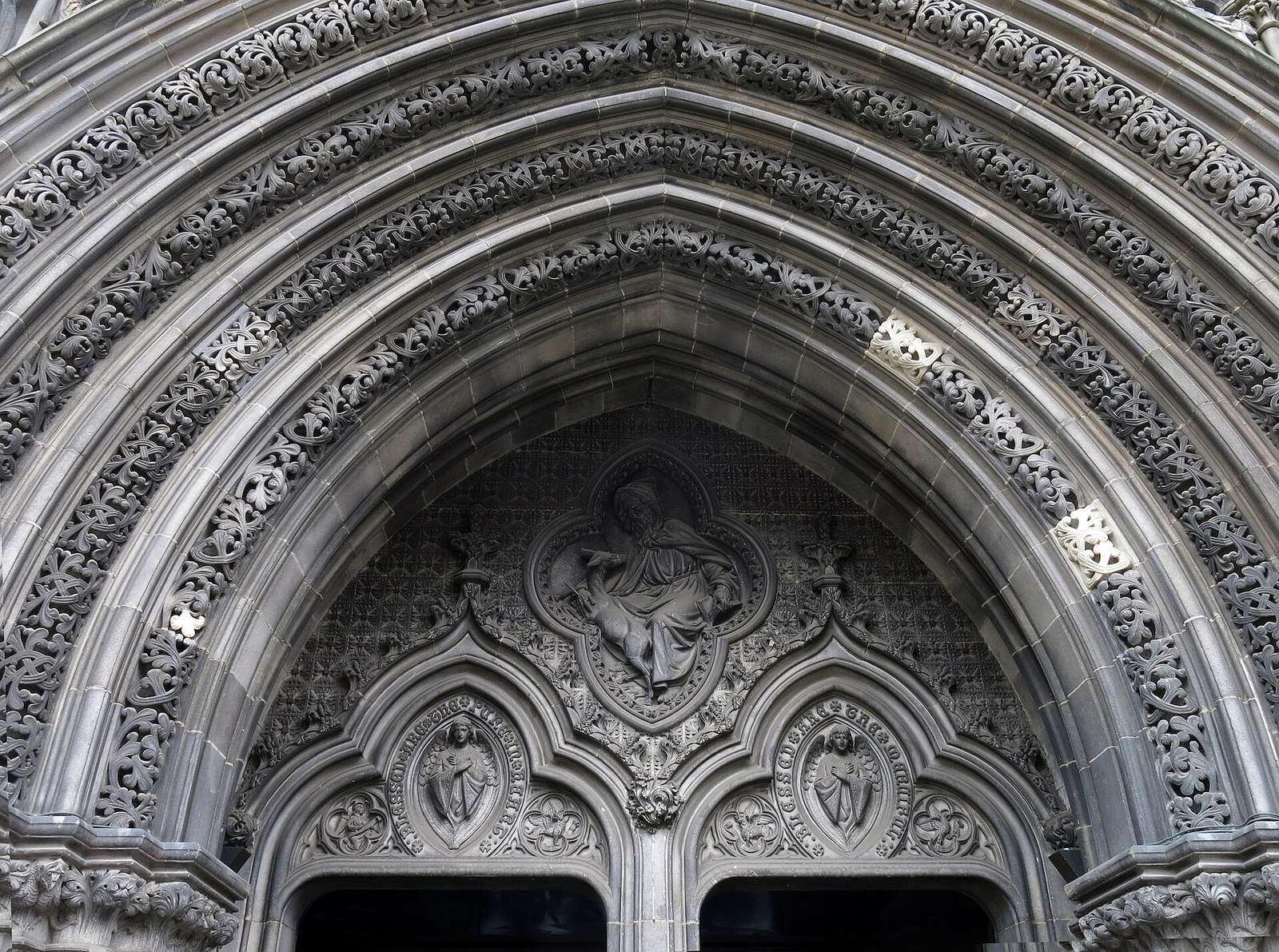
Knox landed back in Scotland in May 1559, preached at Perth, and the Reformation he had prepared in exile ignited: within a year the Scottish Parliament had adopted a Reformed confession and broken with Rome. His pulpit for the remaining thirteen years was St Giles', in the photograph, the great kirk on Edinburgh's Royal Mile — from which he also conducted his famous, stormy interviews with Mary, Queen of Scots, whose own account of them does not survive; the interviews are known from Knox's own History of the Reformation in Scotland, and this page attributes them to it. The house down the Royal Mile that bears his name, John Knox House, is traditionally associated with him — whether he lived there for more than a short period is debated, and we label it traditional. He died in Edinburgh on 24 November 1572, and was buried beside St Giles; the grave's spot now lies under a car park, marked — in a very Knox arrangement — by a plain numbered stone in the tarmac.
Why it matters: Edinburgh closes the arc: the galley slave died the voice of a national church, in an unmarked-by-splendour grave a few steps from his pulpit — stone 23 in a car park, and somehow exactly right.