Pilgrimage Routes · Route 4

John Calvin: A Life, Stop by Stop

France into Switzerland, in the order he lived it — a cathedral town, a fugitive student, a book printed in exile, a city that expelled him and then called him back, and a grave meant to stay unmarked.

How this route works. The stops are in life order, not driving order — a biography you walk, not an optimised itinerary, and we do not promise distances or travel times. Where Calvin scholarship debates a date or an identification, the stop says so. This route crosses our John Knox route in Geneva, where the younger Scotsman sat under Calvin's preaching — each route tells its own life, and they link where the lives actually crossed. Affiliate note: the “Plan this stop” boxes carry affiliate links (marked; you pay the same) and official links (marked “Official link”) — no provider paid for a stop to be included.
Your pilgrim stamps — 0 of 6 stops

Stamps live only on this device (browser local storage, key pilgrimage_stamps_v1) — never sent to a server, and they work offline. A stamp is your own honest record, nothing more.

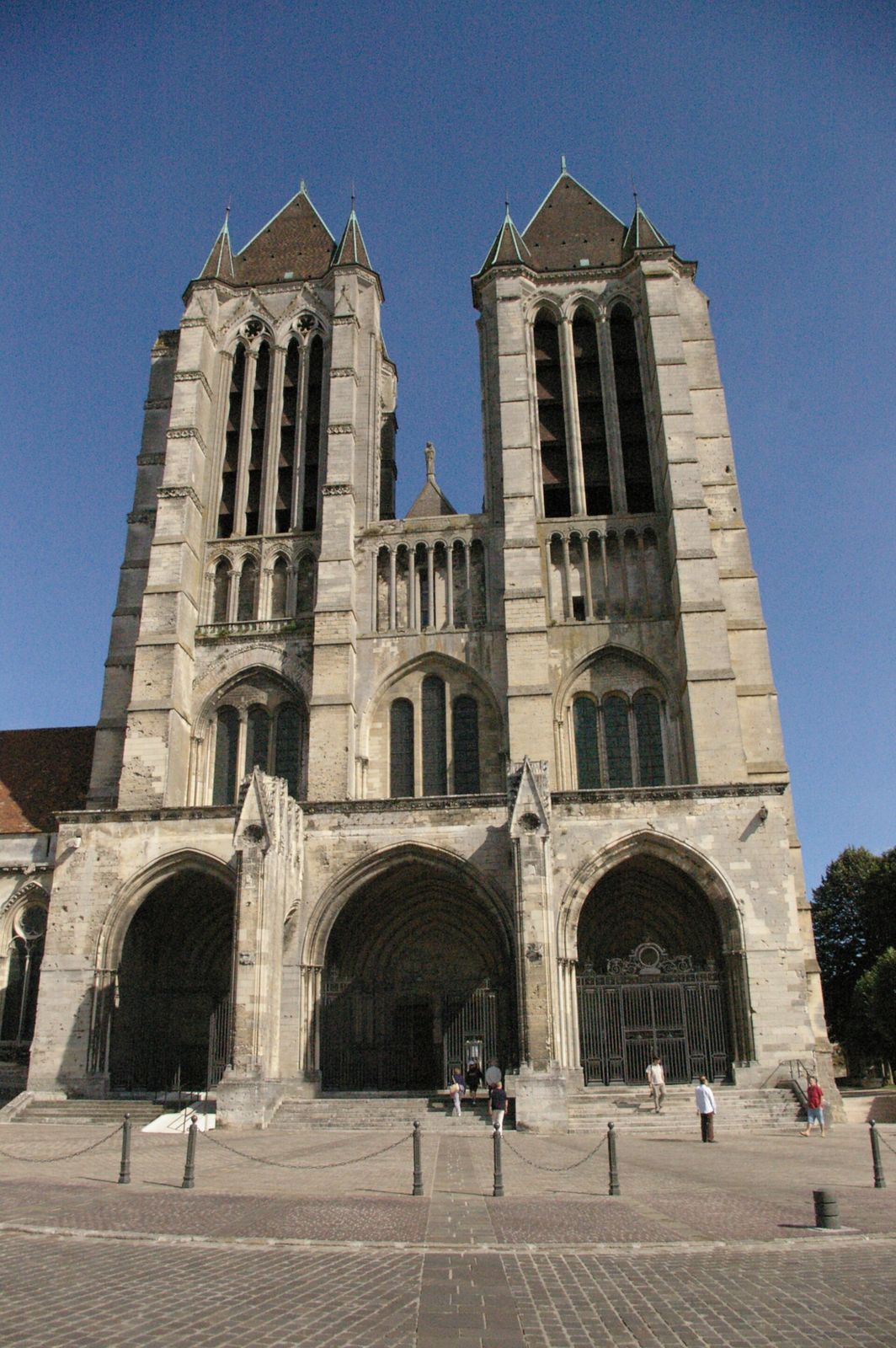
Noyon Cathedral, France
STOP 11509

Noyon — A Canon's Son

John Calvin was born on 10 July 1509 in Noyon, a cathedral town in Picardy, northern France. His father Gérard worked for the cathedral chapter and the bishop, and the bright son was educated alongside the sons of local nobility and marked, at first, for the priesthood — he held small church benefices as a schoolboy, in the way of the time. The great Gothic cathedral in the photograph dominated the town he grew up in; his birthplace is now marked by the Musée Jean Calvin, built on the site of the family home.

Why it matters: Noyon is the route's quiet start: a church administrator's son, educated by the church his teaching would one day divide — the second route in this section that begins inside the institution it later reformed.
Plan this stop

Guided toursViator — Noyon Picardy tours →Affiliate link — you pay the same
Tours tooGetYourGuide →Affiliate link — you pay the same
Stay nearbyStay22 — places to stay →Affiliate link — you pay the same
CoverSafetyWing travel insurance →Affiliate link — you pay the same
Nineteenth-century engraving of the Collège de Montaigu, Paris
STOP 21523 – 1533

Paris — Student, Then Fugitive

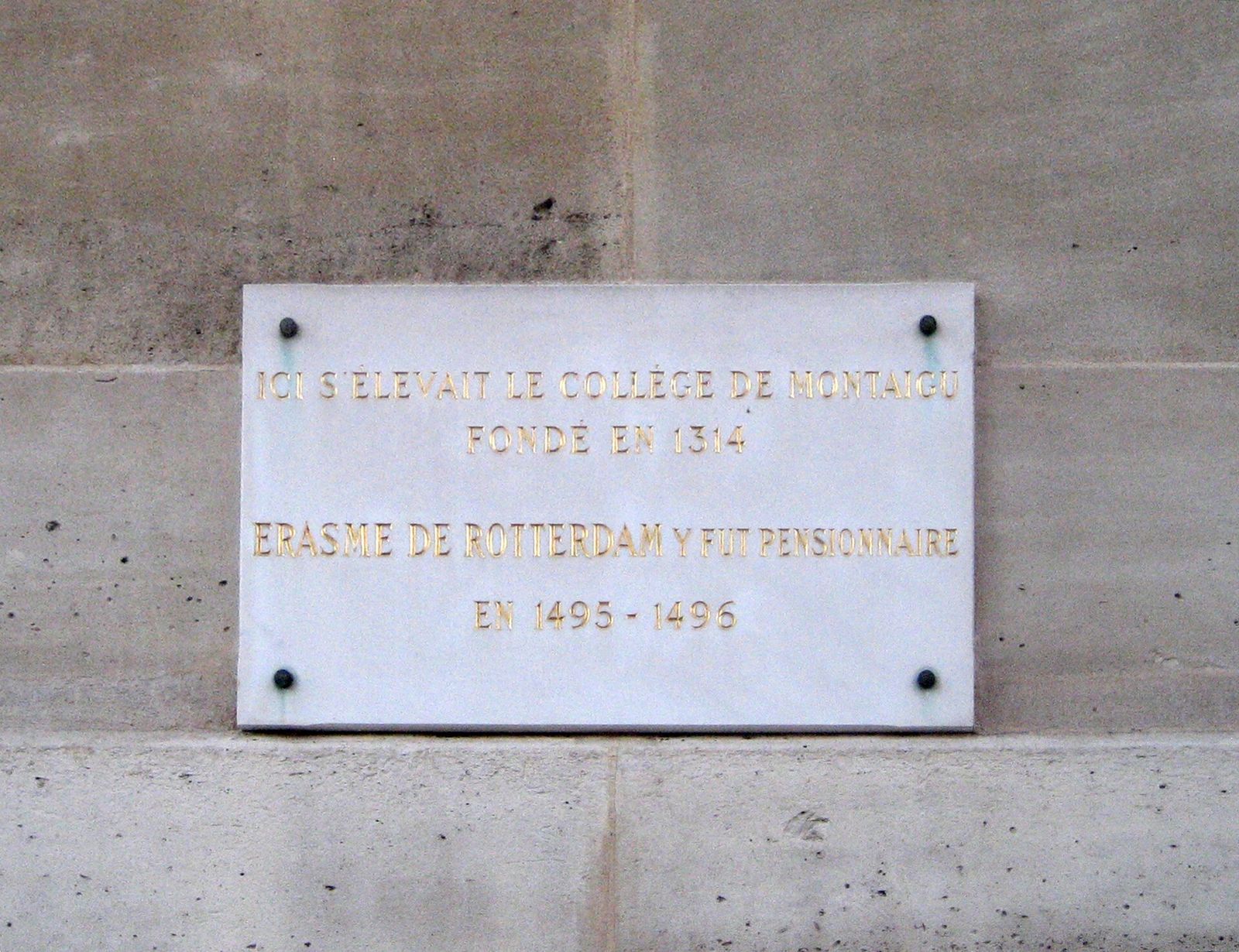
Calvin studied in Paris — first at the Collège de Montaigu, famous for its austerity, whose surviving trace is the engraving in the photograph; the college itself is gone — and then, at his father's direction, law at Orléans and Bourges. In the preface to his Psalms commentary, written decades later, he described a “sudden conversion” in these years; the exact year is debated by scholars, and this page leaves it at “around 1533”. That November, after his friend Nicolas Cop's rectorial address at the University of Paris struck evangelical notes, both men had to flee the city. The student became a fugitive in his own country.

Why it matters: Paris is the route's turning stop: a law student read himself into a new faith and out of a safe career — and the debate about exactly when is itself labelled on the page, as it is in the scholarship.

Plan this stop

Guided toursViator — Latin Quarter Paris tours →Affiliate link — you pay the same
Tours tooGetYourGuide →Affiliate link — you pay the same
Stay nearbyStay22 — places to stay →Affiliate link — you pay the same
CoverSafetyWing travel insurance →Affiliate link — you pay the same
Basel Minster above the Rhine, Switzerland
STOP 31536

Basel — The Institutes in Print

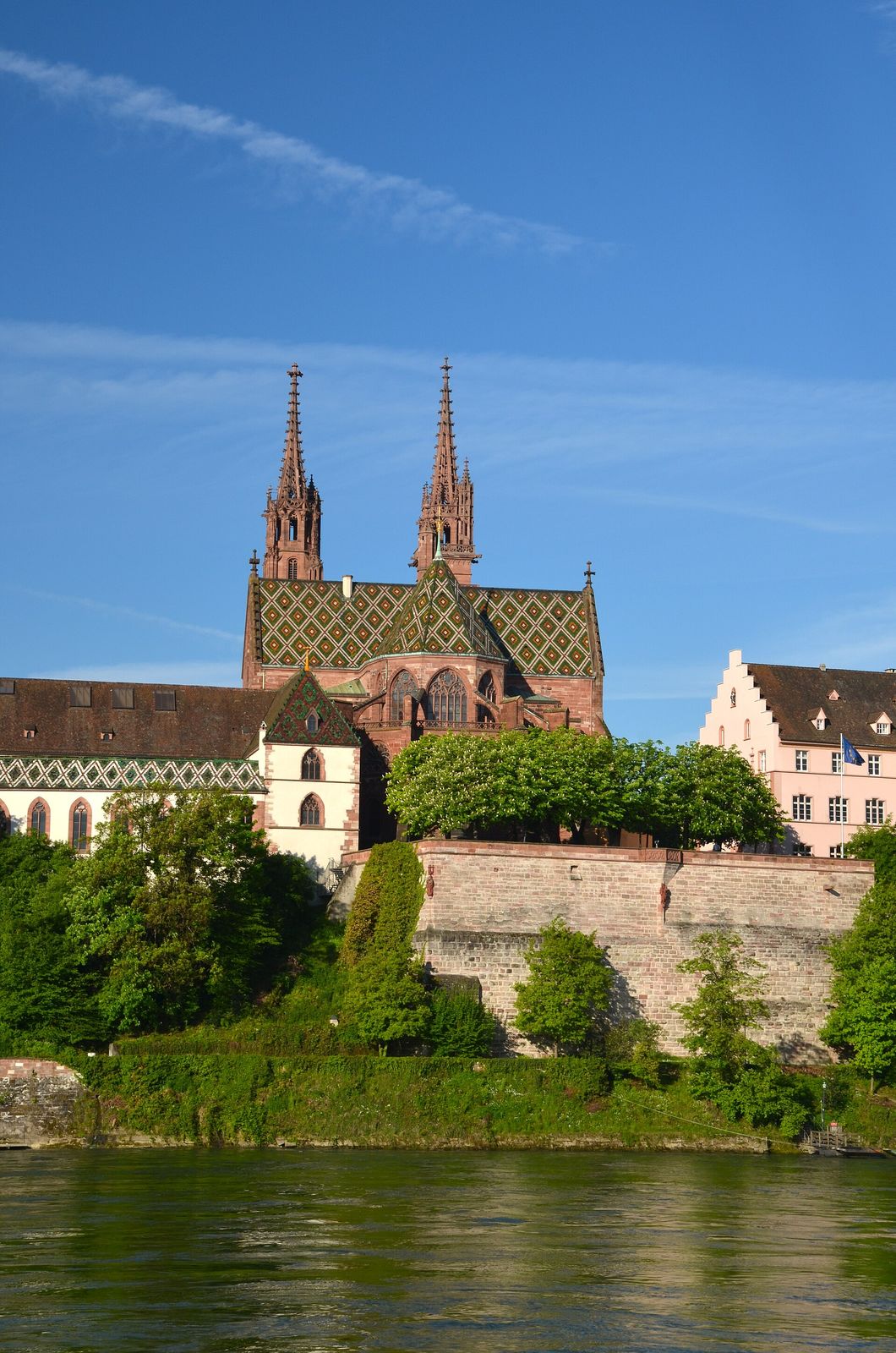
An exile's road led to Basel, the Rhine city of printers and scholars. There, in March 1536, a twenty-six-year-old published the first edition of the Institutes of the Christian Religion — six chapters, in Latin, prefaced by a bold letter to the King of France defending the persecuted evangelicals of his homeland. The book he would expand for the rest of his life began here, in a city he had only sheltered in. The Minster in the photograph, where Erasmus is buried, is Basel's landmark from Calvin's years.

Why it matters: Basel is the route's printing-press stop: a fugitive with no pulpit put his whole theology into a book — and the book travelled where he could not.

Plan this stop

Guided toursViator — Basel tours →Affiliate link — you pay the same
Tours tooGetYourGuide →Affiliate link — you pay the same
Stay nearbyStay22 — places to stay →Affiliate link — you pay the same
The siteBasel Tourism — official →Official link
CoverSafetyWing travel insurance →Affiliate link — you pay the same
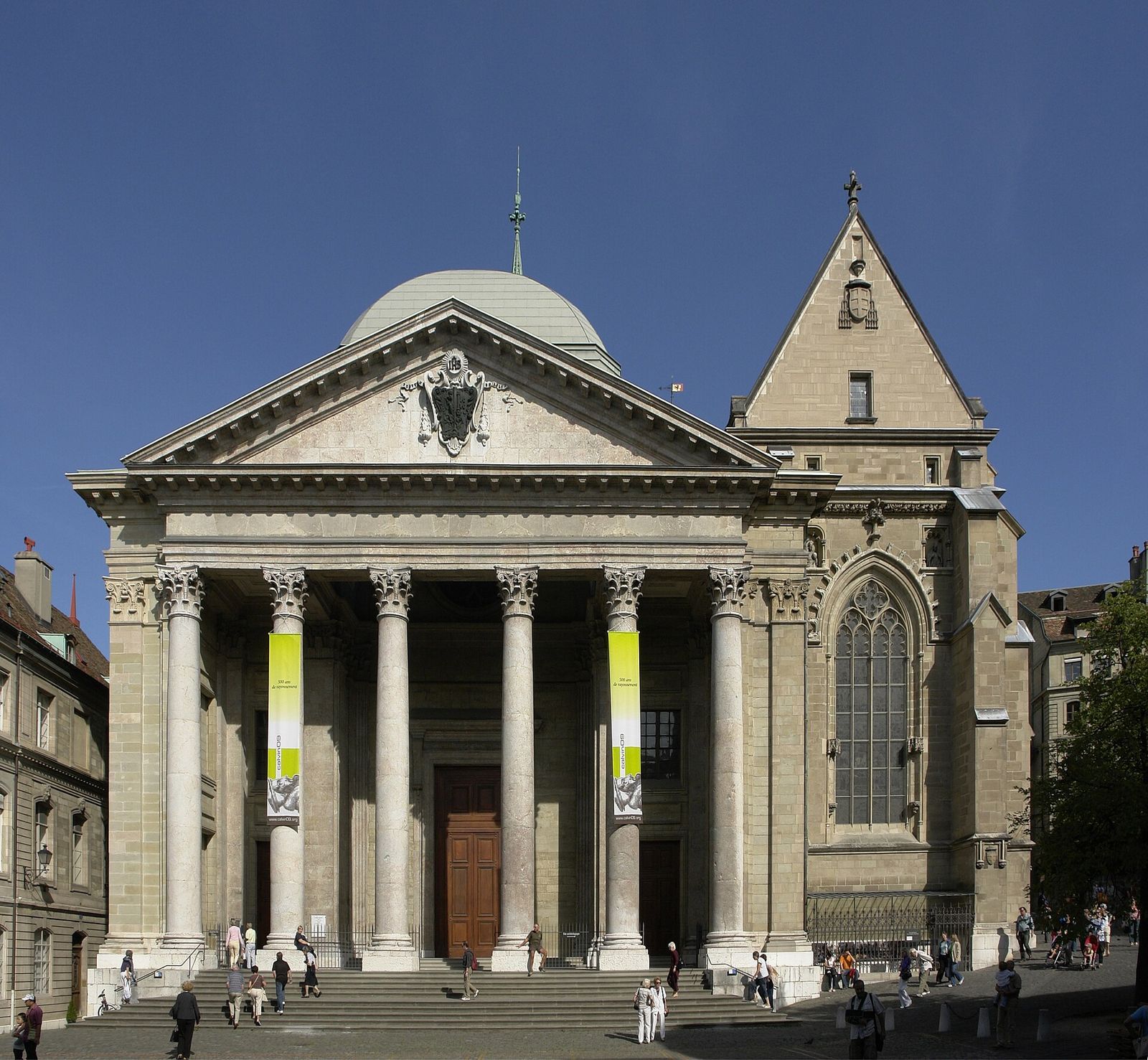
St Pierre Cathedral, Geneva
STOP 41536 – 1538

Geneva I — Detained by a Sermon

Passing through Geneva in the summer of 1536, meaning to stay one night, Calvin was recognised by Guillaume Farel — who, by Calvin's own account, thundered at him that God would curse his scholarly retreat if he left a city freshly won for reform and in chaos. He stayed. From the pulpit of St Pierre Cathedral, in the photograph, he taught and organised; within two years the same city council that had begged for order voted him and Farel out, at Easter 1538, over disputes about discipline and ceremony. Geneva's first Calvin chapter lasted twenty-one months and ended in banishment.

Why it matters: Geneva I is the route's reluctance stop: the most famous “one night's stay” in church history, ending in expulsion by the city that would later beg him back.

Plan this stop

Guided toursViator — Geneva old town tours →Affiliate link — you pay the same
Tours tooGetYourGuide →Affiliate link — you pay the same
Stay nearbyStay22 — places to stay →Affiliate link — you pay the same
CoverSafetyWing travel insurance →Affiliate link — you pay the same
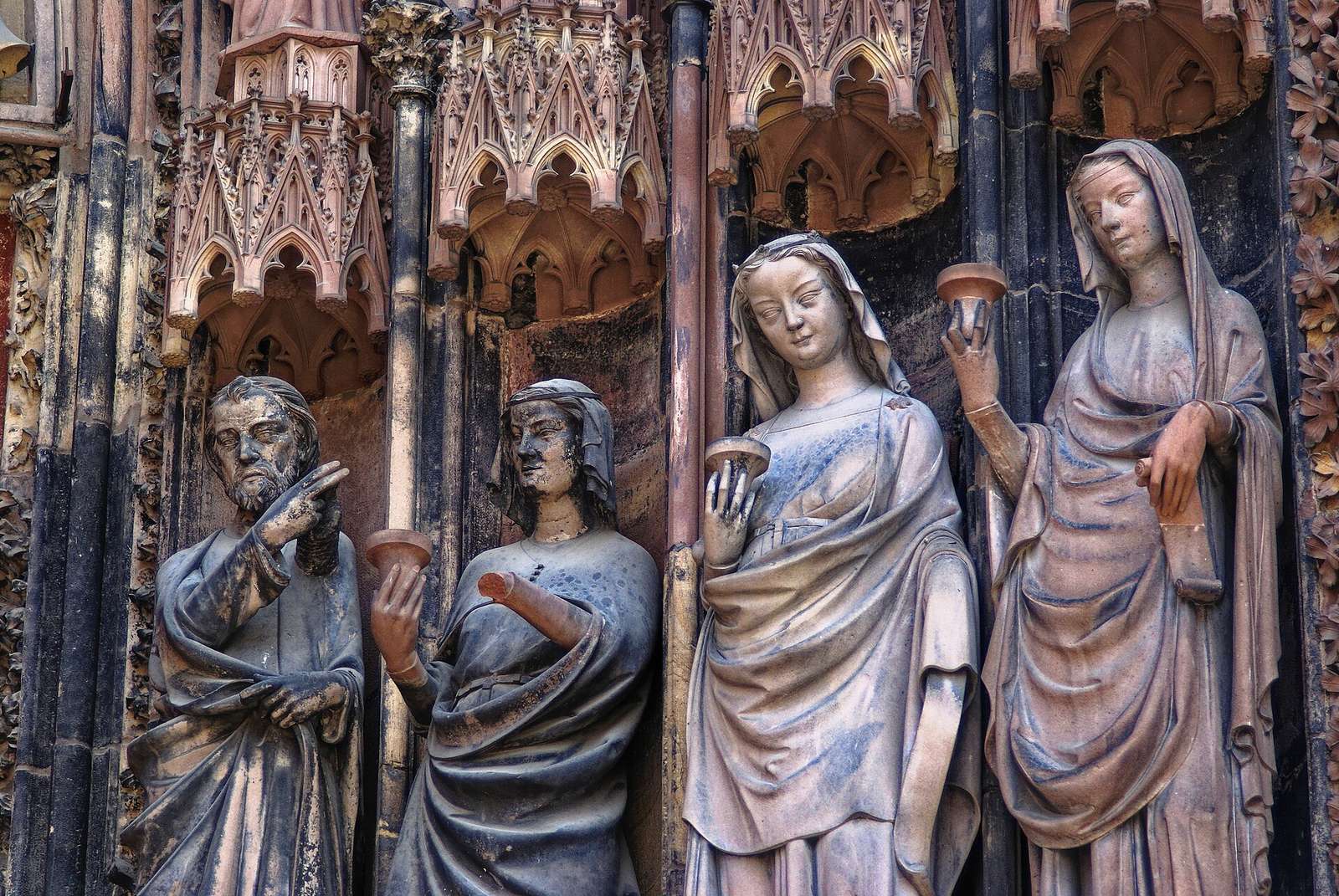
Strasbourg Cathedral, France
STOP 51538 – 1541

Strasbourg — The Exile's Happy Years

Banished men landed in Strasbourg, and Calvin's three years there are often called his happiest. He pastored the city's French refugee congregation — the model church of his career — learned church order from Martin Bucer, published, and in 1540 married Idelette de Bure. The great cathedral in the photograph watched over the exile years. When Geneva's politics turned and the city asked him to return, his letters said he would rather die a hundred times than go back to that cross — and then he went, on conditions, for good.

Why it matters: Strasbourg is the route's workshop stop: in exile, among refugees, Calvin built the working model of the church he would spend his life defending.

Plan this stop

Guided toursViator — Strasbourg tours →Affiliate link — you pay the same
Tours tooGetYourGuide →Affiliate link — you pay the same
Stay nearbyStay22 — places to stay →Affiliate link — you pay the same
CoverSafetyWing travel insurance →Affiliate link — you pay the same
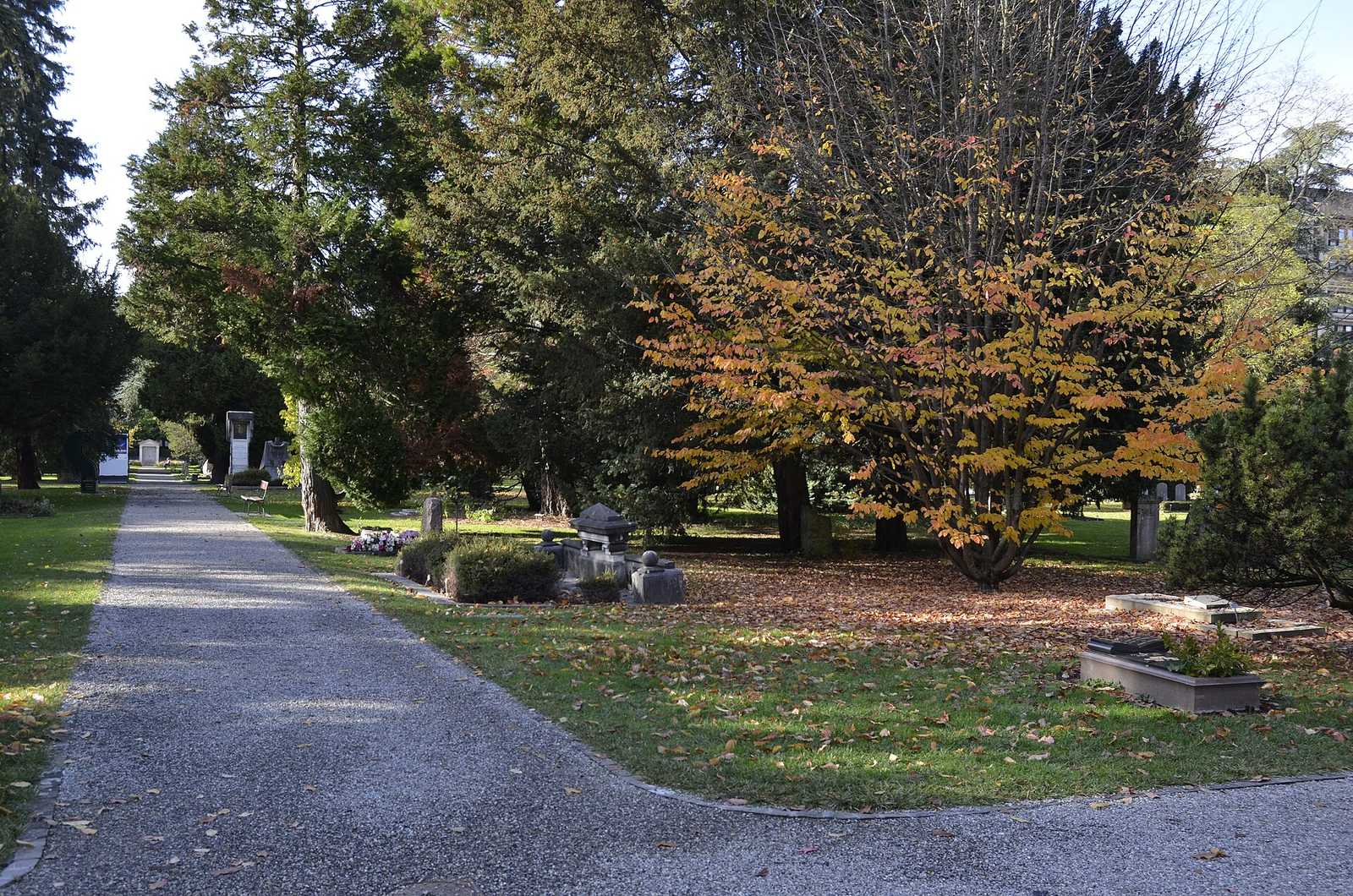
The Cimetière des Rois at Plainpalais, Geneva
STOP 61541 – 1564

Geneva II — The Return, and the Unmarked Grave

Calvin returned to Geneva in September 1541 and never left again: twenty-three years of preaching at St Pierre, the church ordinances that shaped Reformed churches worldwide, the Academy founded in 1559, and the ever-expanding Institutes. This page records the era's shadows with the same plainness: in 1553 the Spanish theologian Michael Servetus, condemned for heresy, was burned in Geneva — an execution carried out by the city council that Calvin's theology did not prevent and his letters did not oppose. The event is still discussed, and we leave it stated, not argued. Calvin died on 27 May 1564 and, at his own instruction, was buried in an unmarked grave in the Plainpalais cemetery, in the photograph. The Cimetière des Rois holds a plot traditionally identified as his; tradition is the right word — he asked for no monument, and mostly got none.

Why it matters: Geneva II closes the arc: the fugitive student died the most influential churchman in Europe, in a grave he insisted nobody should be able to find. The route ends at an absence — deliberately.

Plan this stop

Guided toursViator — Geneva Plainpalais tours →Affiliate link — you pay the same
Tours tooGetYourGuide →Affiliate link — you pay the same
Stay nearbyStay22 — places to stay →Affiliate link — you pay the same
CoverSafetyWing travel insurance →Affiliate link — you pay the same
Route complete? Six stamps, one life — from Noyon's cathedral close to Plainpalais' quiet paths. His Genevan years connect directly to the Knox route, and the books printed along this road reached the same Mediterranean world Paul travelled, fifteen centuries on. Back to the Pilgrimage Routes hub · UNESCO World Heritage collection · Our France guide
Photo credits: Noyon Cathedral by CC BY-SA 3.0 · Plaque at the Collège de Montaigu site, Paris by Vysotsky, CC BY-SA 4.0 · Basel Minster above the Rhine by CC BY-SA 3.0 · St Pierre Cathedral, Geneva by Yann (CC BY-SA 4.0 · Strasbourg Cathedral west front by Txllxt TxllxT, CC BY-SA 4.0 · Cimetière des Rois (Plainpalais), Geneva by Yann Forget, CC BY-SA 4.0 — all via Wikimedia Commons.