🌍 Living a month in Europe — a different structure from a holiday
This is the front door of the hub's long-stay line: one country at a time, each file built on the same skeleton — stay permission first, marketing last. One country file is complete today, Portugal, and this page is deliberately built out of that finished file's material plus the line's shared research ledger: the Schengen structure that governs every country in the comparison, and the officially confirmed nomad-visa facts for the countries whose files are still in preparation. Where a fact has not been confirmed to that standard, this page says so in the open — including inside the comparison table itself — rather than filling the gap.
How we make money: some buttons on this page are affiliate links. If you book through them, we may earn a commission — your price stays exactly the same. Providers with no affiliate program are included anyway and labelled "Official site", because a comparison that only lists partners isn't a comparison. Prices and terms change often: always check the final price and conditions on the booking site before you pay.
How we compare: no star ratings and no paid rankings — placement is never for sale. Legal and visa claims below were checked against EU, national government and consular official pages in November 2026. Income thresholds are shown only where an official page states a figure; where official sources disagree with each other, the table says that instead of picking one.
⚠️ The warning that belongs at the top of the whole line:visa-free stay is not a remote-work permit. The Schengen 90/180 allowance and the EU visa-waiver list govern visiting — short stays for tourism and similar purposes. They are not, by themselves, permission to work, including working remotely for an employer or clients abroad. Each country's national nomad-visa system is precisely the route that names remote work as its purpose. Which side of that line your own situation falls on is a legal question for the official pages and, where it matters, a licensed immigration professional — this line explains the structures, it does not decide your case.
1 · The overview — five layers a holiday never touches
A two-week trip runs on a booking confirmation. A month runs on five different layers, and a long-stay plan is only as sound as its weakest one:
Layer 1 — stay permission, calculated, not assumed. A holiday fits inside a visa waiver without arithmetic. A month has to be counted: against the rolling Schengen window in section 2, against any trips you have already taken in the same window, and — if work is part of the month — against the separate question of whether the work itself has a legal basis.
Layer 2 — housing as a monthly contract. Hotels price by the night; a month prices by the contract. Furnished monthly rentals, registered tourist accommodation and a true long-term lease are three different instruments, with different deposits, paperwork and rights — and in Portugal, as the country file shows, a long-term lease runs on a tax number (the NIF) obtained before signing, not after.
Layer 3 — a monthly living cost, not a trip budget. The honest unit is a month of rent, food, transport and utilities, built from concluded-rent statistics where they exist — shown as a range with its workings, never as one tidy total. This is a different number system from short-trip budgeting, and section 7 below draws that boundary explicitly.
Layer 4 — insurance for the whole stay. A visitor sits outside the local public registration structure, so the working cover for a month — and for the pre-permit stage of a longer stay — is private travel or nomad insurance held for the full period. At a visa-application stage, insurance evidence is also a document on the checklist, judged against that checklist's wording.
Layer 5 — local practicalities. Tax numbers, bank accounts, a local or travel data connection, monthly transport passes, registrations. None of them decide a holiday; several of them decide whether a month actually functions once you arrive.
2 · The Schengen maths — the short judgement layer
How 90/180 actually counts. There is no half-year that resets. On each day you are in Schengen, look back at the previous 180 days and count your days present: the total must never exceed 90. Entry day and exit day both count as full days, and the count is Schengen-wide — 30 days in Portugal plus 30 in Spain plus 30 in Italy is 90 used, not 90 per country. Spend all 90, and new days only open up as old days roll out of the 180-day window, one by one. Time spent under a residence permit or a long-stay (D-type) national visa is not entered into this count: long stays sit outside the rule, which is exactly the structural difference between visiting and settling.
Why one month works everywhere in the table. A month is roughly 30 days — a third of the allowance. For a traveller whose previous 180 days hold no Schengen days, a single month fits inside the visa-free allowance in every Schengen country below, in one country or split across several. That is why the interesting question in this line is never the first month. It is the pattern around it.
EES — the counting is now automatic. The EU's Entry/Exit System records non-EU short-stay travellers at the external border — passport data, fingerprints, a facial image, and entry and exit dates — and, per the European Commission, it became fully operational on 10 April 2026, replacing passport stamps and automatically identifying overstays. The rolling window is no longer something reconstructed from stamps; it is a record the system keeps. The European Commission publishes an official short-stay calculator (Check and Planning modes) — use it with your real dates rather than estimating.
When a nomad visa becomes the main route, it is the pattern that decides — not the country. The same four patterns recur in every country file in this line: staying in one place beyond 90 days; repeated months that add up past 90 inside a window (a month every quarter is roughly 120 days a year); needing the remote work itself to have a stated legal basis; and needing resident-side administration — a lease in your own name and the registrations that attach to a residence permit. A one-off month raises none of them; any one of them moves the planning from the visa waiver to the national-visa track.
ETIAS, stated at its real certainty level. ETIAS is a planned pre-travel authorisation for visa-free travellers — not a visa. This line's research did not establish a live, current status for it from the EU's official portal, so this page does not present it as something currently required, and does not present it as cancelled either. Check its status on the EU's official travel pages shortly before any trip — that check, close to departure, is the honest procedure.
3 · Europe compared — visa-free structure, nomad visas, official income thresholds
For US and South Korean passport holders, the short-stay row is the same across all six Schengen countries: both passports sit in the same Annex II visa-waiver list of EU Regulation 2018/1806, under the same combined 90/180 count. The countries separate at the second layer — the national route for staying longer, repeating the pattern, or working with a stated legal basis. Income figures appear only where an official source states one, with its basis; the United Kingdom sits alongside as the non-Schengen comparison axis.
Country
Short-stay visa-free structure
Nomad / remote-work visa
Income threshold (officially confirmed only)
This line's page
Portugal
Schengen visa-free, 90 days in any 180-day period, Schengen-wide combined
Yes — the remote-work route commonly called D8, in a temporary-stay track (under 1 year) and a residence track (consulate visa, then an AIMA residence permit)
€3,680/month — four times the 2026 Portuguese monthly minimum wage, averaged over the last three months (consular checklist formula)
Schengen visa-free, 90 days in any 180-day period, Schengen-wide combined
Yes — international telework visa via consulates, with a residence-permit route through the UGECE for people already lawfully in Spain
€2,442/month (2026) — 200% of the SMI minimum wage, stated on the consulate's official page
In preparation
Italy
Schengen visa-free, 90 days in any 180-day period, Schengen-wide combined
Yes — a digital nomad / remote-worker visa for highly skilled professionals; existence and qualification requirements confirmed on official consular pages
No single figure is stated here: the official structure ties the threshold to a statutory reference amount (three times the healthcare co-payment exemption threshold), and consulates publish different totals as that reference updates — confirm the current total on your filing consulate's page
In preparation
Greece
Schengen visa-free, 90 days in any 180-day period, Schengen-wide combined
Yes — a Type-D digital nomad visa, with a residence-permit extension route after entry on that visa*
€3,500/month after tax, per the government-linked Work From Greece guidance*
In preparation
Croatia
Schengen visa-free, 90 days in any 180-day period, Schengen-wide combined (Croatian stays count as Schengen stays since 1 January 2023)
Yes — digital-nomad temporary stay administered by the Ministry of the Interior, granted for up to 18 months
€3,622.50/month (Ministry of the Interior official page) — at least 2.5 times the previous year's average monthly net salary
In preparation
Estonia
Schengen visa-free, 90 days in any 180-day period, Schengen-wide combined
Yes — a Digital Nomad Visa as a temporary-stay visa (short-stay C or long-stay D form), not a residence permit
Official channels currently state different income figures for this visa, and until they agree, we do not publish a number.
In preparation
United Kingdom — comparison axis
Not Schengen. An ETA (electronic travel authorisation, £20) plus entry as a Standard Visitor for up to 6 months per visit; UK days consume no Schengen days at all
No dedicated digital-nomad category was confirmed in this line's research — the comparison rests on the ETA + Standard Visitor structure, under which working for a UK employer, paid or unpaid, and self-employment are not permitted, and living in the UK through frequent or successive visits is not permitted
Not applicable — no nomad-visa threshold in this structure
Comparison axis
* Greece, stated exactly as far as the evidence goes: the visa structure and the €3,500 after-tax figure rest on Work From Greece, the government-linked official guidance channel to which the Greek foreign ministry directs applicants. A direct cross-check against the foreign ministry's own visa page and the Immigration Code text remains an outstanding step in this line's research, so treat the Greek row as government-linked guidance, one grade below a figure read off a ministry page — as the Spanish and Croatian rows are. The Estonian cell is deliberate: two official channels state different figures, and this line's rule is to show the disagreement rather than quietly choose the convenient number. An ETA, like every entry clearance of its kind, does not itself decide entry — the border decision stands.
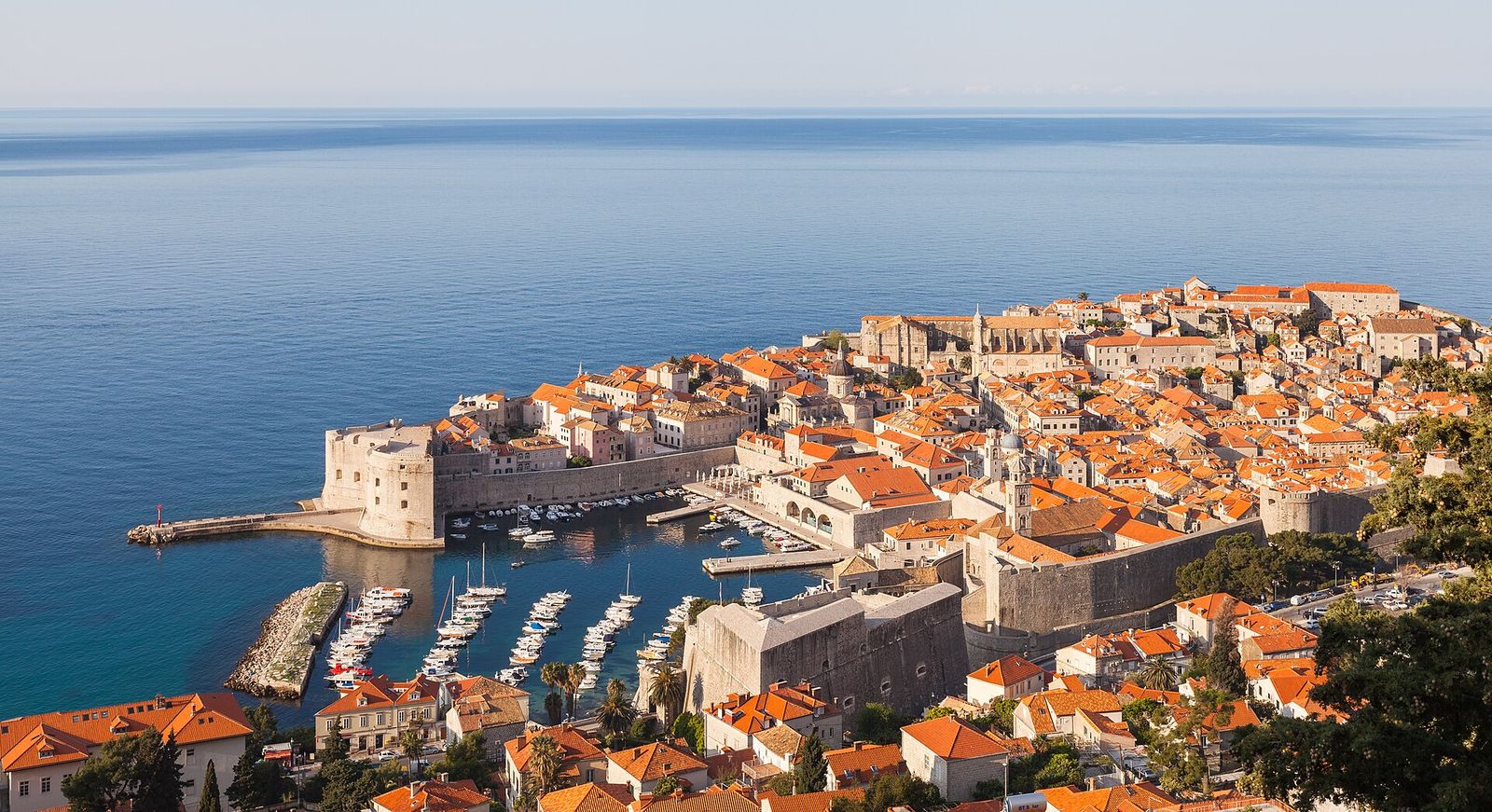
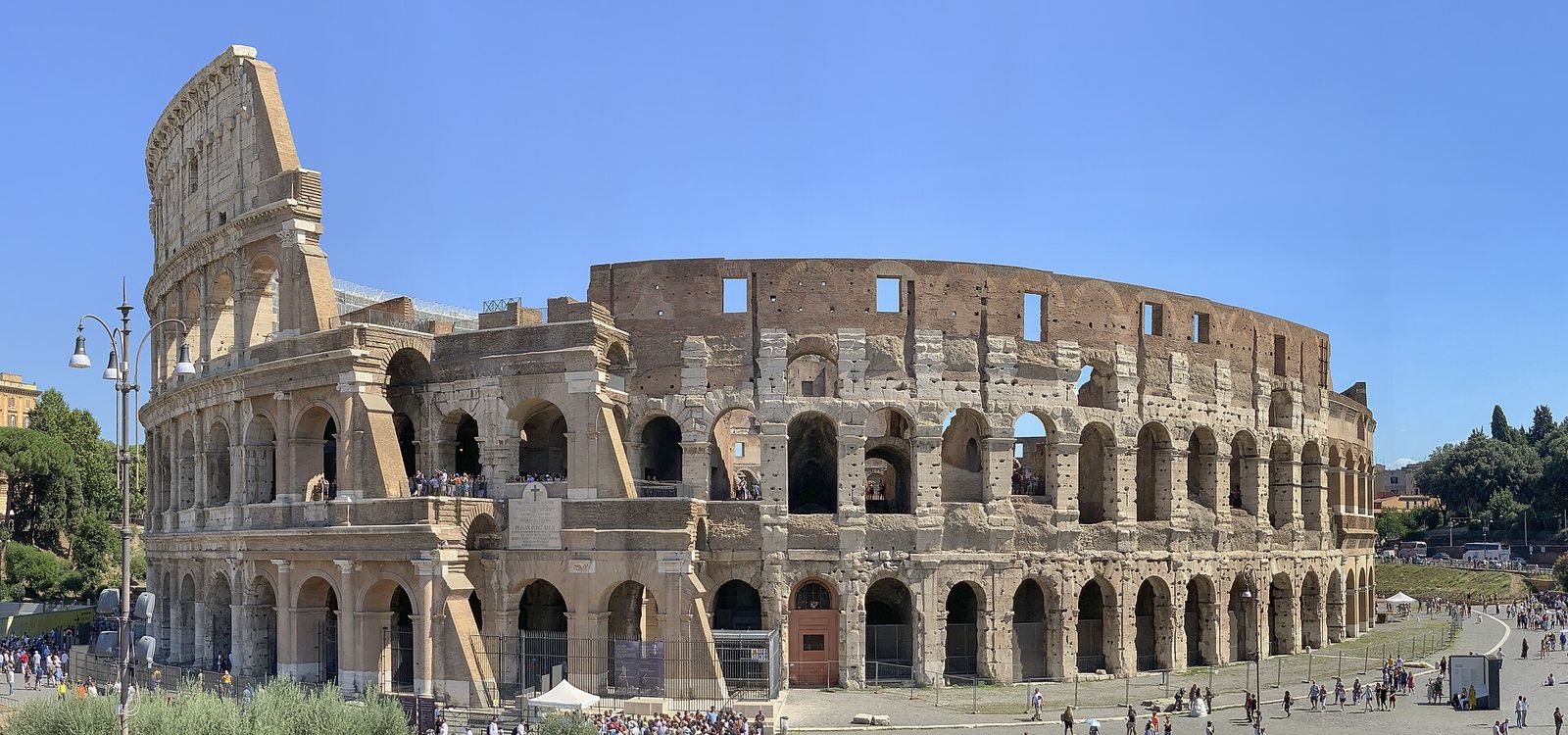
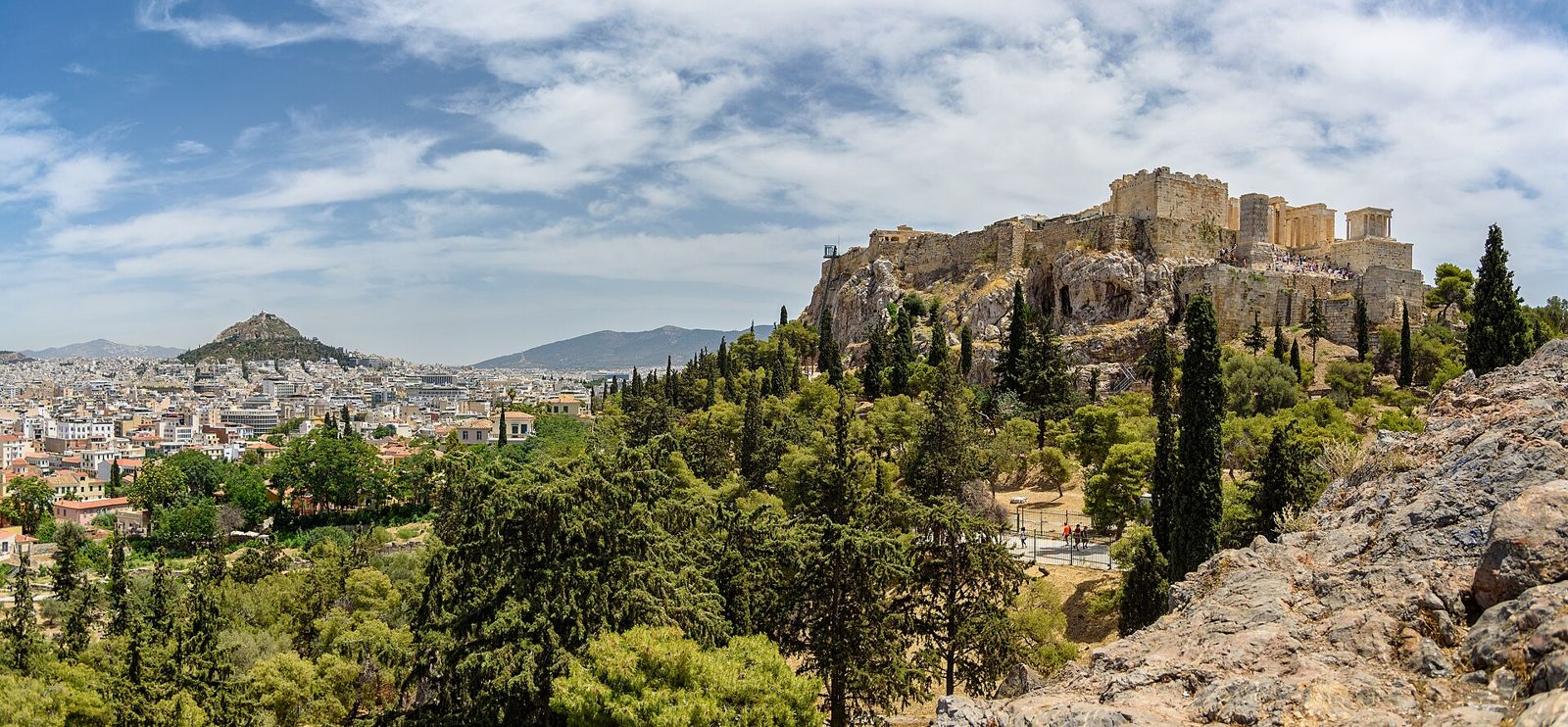
Barcelona, Spain — Photo: Txllxt TxllxT, CC BY-SA 4.0, via Wikimedia CommonsColosseum, Rome, Italy — Photo: Nicholas Hartmann, CC BY-SA 4.0, via Wikimedia CommonsAcropolis, Athens, Greece — Photo: Ggia, CC BY-SA 3.0, via Wikimedia Commons
4 · The completed file — Portugal
One card only, because one country file is finished. The other countries live in the comparison table above as "in preparation" — this line does not publish preview cards for files that do not exist yet.
🇵🇹 Portugal Country file No. 1 · complete
Pros
Both legal shapes are fully mapped in one file: the Schengen visa-free month, and the residence-shaped D8 remote-work tracks (temporary stay, and the consulate visa into an AIMA permit), plus the D7 route for living from passive income — with the four routes compared side by side before any city is discussed
Four bases compared on official-grade data — Lisbon, Porto, the Algarve and Madeira (including the regional government's Digital Nomads Madeira Islands welcome structure) — on IPMA climate normals and INE concluded-rent statistics
Costs shown with their workings: two different rent measures (INE concluded contracts versus Idealista asking prices) are put side by side, and the one-person monthly ranges are published only where the cross-checks hold — Lisbon and Porto — and withheld where they do not
Cons
The visa-free month is a visiting allowance, not a work basis — the file's central warning, and the reason the D8 tracks exist in it at all
Lisbon carries the country's most expensive housing on both rent measures the file uses; the north (Porto, and Lisbon in winter) is the wet-season side of the country on IPMA normals
A furnished month booked from abroad sits structurally above the file's long-term-lease ranges, and no official statistic measures that premium — the file names the direction and refuses to invent the amount
The residence track is a two-step process — consulate first, AIMA after arrival — with the paperwork layer (NIF before a lease, SNS registration tied to residence) attached to the second step, not the first
Best for: a first European long-stay base in either shape — the one-off slow month inside the allowance, or the deliberate residence-track move on documented remote income. On the file's long-term-lease cost basis, its one-person monthly ranges are €1,400–€1,900 for Lisbon and €1,150–€1,550 for Porto, built from the concluded-versus-asking rent corridor plus non-rent essentials — a settled resident's floor logic, not a quote for a furnished month, and no totals are published for the Algarve or Madeira because the cross-checks there do not reach the same quality.
5 · The preparation order — and why it runs in this sequence
① Count the stay days first. Everything else hangs off the calendar: run your real dates — past trips included — through the rolling 180-day window before choosing a country, a visa route or a lease. A plan that fails the count fails completely, however good its other layers are.
② Judge the visa question second. With the count in hand, the pattern test of section 2 answers itself: a one-off month inside the allowance needs no national visa; a longer, repeated or work-based pattern names its route here, while consulate appointments and evidence files can still be scheduled in time.
③ Arrange housing — and its paperwork — third. Only once the legal shape is known does the contract question make sense: a lodging-style furnished month needs no local tax number, while a long-term lease in Portugal cannot be signed without the NIF. Signing the wrong instrument for your route is the expensive version of this mistake.
④ Put insurance in place fourth. The cover has to match the shape decided above — the full period for a visitor's month, and, for a visa filing, a certificate whose wording answers the consulate checklist's stated requirement. Buying first and matching documents later reverses the test.
⑤ Set up the local practicalities last. Bank-account identification, data and phone layers, monthly transport passes and local registrations are arrival-stage work: they depend on the address, status and documents the earlier steps produced, which is why this line treats them as a layer to prepare for, not a place to start.
One line, as this line's design records it: personal long-stay plan templates — a departure checklist and a deeper stay-day planner fitted to your own dates — are a candidate for this hub's future subscription layer. No gate and no payment are built into this page; the structures above are the public layer, in full.
6 · Questions this entrance can already answer honestly
It is only a month — do I need a visa at all?
For a single month of visiting, on a US or South Korean passport, in any of the six Schengen countries above: no national visa is involved. A month is roughly a third of the 90-days-in-any-180 allowance, counted across Schengen as a whole. The qualifications live in the pattern, not the month: days already spent in Schengen in the same window count against it, repeating the month until the window's total passes 90 changes the structure, and none of this answers the separate work question in the next answer.
Can I work during the month on the visa waiver?
Keep the two permissions separate, because the system does. The visa waiver and the 90/180 rule grant stay — presence as a visitor. They do not, by themselves, grant permission to work, and that includes remote work for an employer or clients abroad. The nomad-visa categories in the comparison table exist precisely to name that remote work as an authorised purpose. This page states the structure; where your own employment situation falls is a question for the official pages of the country concerned and, where it matters, a licensed immigration professional — not for a comparison site, including this one.
Why are living costs shown as ranges instead of one monthly figure?
Because the two honest rent measures disagree, and the disagreement is the information. Concluded-contract statistics (in Portugal, the tax-authority-based INE medians) record rents actually signed across the whole market; portal asking medians (Idealista) record what is currently advertised, weighted toward central and furnished stock. A real search lands in the corridor between them. A single tidy total would have to silently pick one measure — usually the flattering one. So this line publishes ranges with the measure, the basis and the premises stated, publishes no total at all where the cross-checks do not reach the same quality, and treats the furnished monthly product a visitor actually buys as a separate, more expensive structure for which no official statistic exists.
Is anything different for a South Korean passport?
At the short-stay layer, no: South Korea and the United States sit in the same Annex II waiver list, under the same combined 90/180 count — there is no country-by-country difference to shop for. The one extra layer that exists is Korea's bilateral visa-waiver agreements with individual Schengen states, and it is stated here exactly as far as official sources establish it. Among this table's countries, the Korean foreign ministry classifies Italy as a state where the bilateral agreement takes priority, Greece carries a conditional note (bilateral priority where entry is via another Schengen state), and Portugal, Spain, Croatia and Estonia are classified as Schengen-priority. What has not been officially established is how bilateral days combine with the Schengen count in current practice for these countries — so this line does not add them together, and neither should you: plan on the 90/180 count alone, and treat the bilateral layer as a point to confirm with the Korean foreign ministry and the embassy of the country concerned before relying on it.
What about ETIAS — do I apply for it before a long-stay trip?
ETIAS is a planned pre-travel authorisation for visa-free travellers — not a visa, and not part of any national long-stay route on this page. This line's research did not establish a live, current status for it from the EU's official portal, so the honest answer is procedural rather than a date: do not build a plan that assumes it is already required, do not assume it has gone away either, and check its status on the EU's official travel pages shortly before departure.
🌍 The wider Europe picture: the Europe guide is the entrance to this hub's European coverage as a whole — the short-trip country and city files this long-stay line grows out of. Within the line itself, start with the completed country file: Portugal — a month, or longer, in two different legal shapes. The remaining country files will hang off this page as they are built, in the order the comparison table lists them, each on the same rule: official structures first.
🧭 Before the month becomes a move: work through the hub's travel insurance comparison for the pre-permit cover in layer 4, the eSIM comparison for arriving connected, the 3H Smart Trip app for keeping the month itself — itinerary, budget against plan, receipts and your own end-of-trip review, stored on your device — and the trip budget calculator for the short trips around it. One boundary, kept deliberately: short-trip budgets belong to the calculator and monthly living costs belong to the country pages — the two number systems are different, and neither should be borrowed into the other.
Facts checked against European Commission, EU regulation, national government, foreign-ministry, consular and interior-ministry official pages — and, for Greece, the government-linked Work From Greece guidance channel, flagged at the point of use — November 2026. Where official sources disagree with each other, this page shows the disagreement rather than choosing a figure. This page explains structures, not legal advice — immigration rules change; official pages and a licensed immigration professional are the final word.