
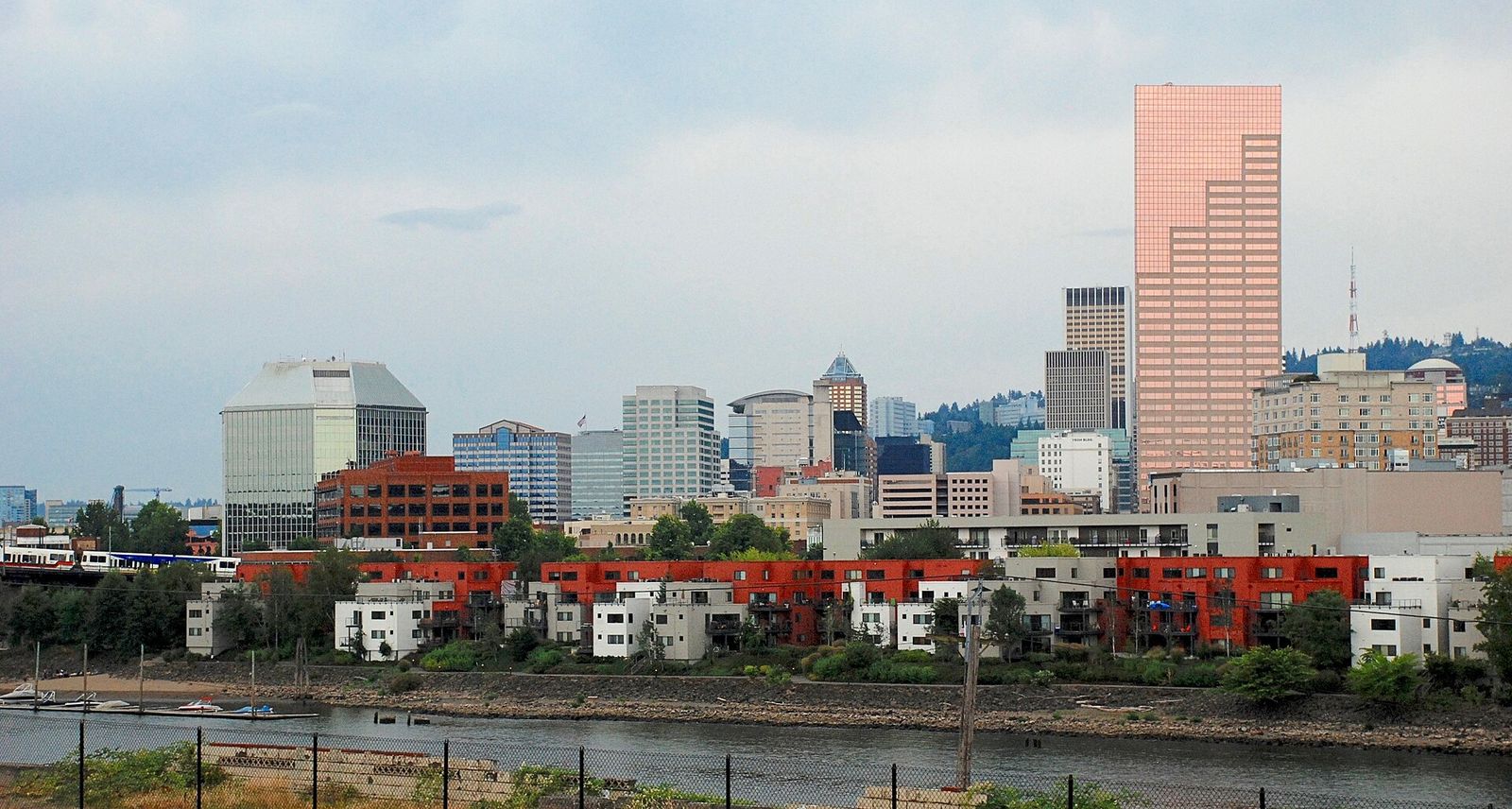
🌹 Portland, paired with Seattle by rail
Portland is the Pacific Northwest's second city in this hub, and it earns that place in a specific way: it is the other end of a real train ride. Amtrak Cascades links Seattle's King Street Station and Portland's Union Station with several trains a day, so the two cities can be planned as one rail trip with no car and no flight — the first US rail-paired city set in this hub. Inside Portland, the planning shape is just as distinctive. The Willamette River splits a walkable west-bank core — downtown, the Pearl District, and a bookstore that fills a whole city block — from the east-side neighbourhoods across the bridges, while Washington Park climbs the west hills with the International Rose Test Garden and the Portland Japanese Garden as neighbours. East of the city, the Columbia River Gorge is the radius day, with Multnomah Falls as its headline and a seasonal permit system as its catch. This page covers how the train, the airport light rail, the gardens and the Gorge actually work — with no prices and no journey times stated, because the honest figures live on the operators' own pages for your date.
The lay of the land — a river city in four pieces
Portland's map is a river with a city on both banks and a park in the hills. Downtown and the Pearl District sit on the west bank and walk as one piece. Washington Park is the same side of the river but a climb above it — a transit ride or a drive, not a stroll from a downtown hotel. The east side is a grid of neighbourhood main streets reached across the bridges. And the Gorge is not in the city at all: it is the day the trip leaves town. The table is the map; the cards below carry the detail.
| Piece | What is in it | How it works | Watch out |
|---|---|---|---|
| West-bank core | Downtown · the Pearl District · Powell's City of Books · Union Station | Walkable between themselves, with MAX light rail and buses crossing the river from the same streets | This is the no-car base — a rental mostly becomes a parking question here |
| Washington Park | International Rose Test Garden · Portland Japanese Garden · the zoo side of the park | A separate trip up the west hills by MAX, bus, shuttle or car | The two gardens are neighbours with opposite booking rules — one walk-in, one timed |
| The east side | Neighbourhood main streets across the Willamette bridges | MAX, bus, bike or a bridge walk from downtown | It is many small centres, not one east downtown — pick a street, not a side |
| The Gorge | Columbia River Gorge National Scenic Area · Multnomah Falls · the Historic Highway waterfalls | A driving day east on the interstate, or a guided tour day | Seasonal permits, small lots and site works — the Forest Service page is the plan |
The rail pairing — Seattle and Portland as one trip
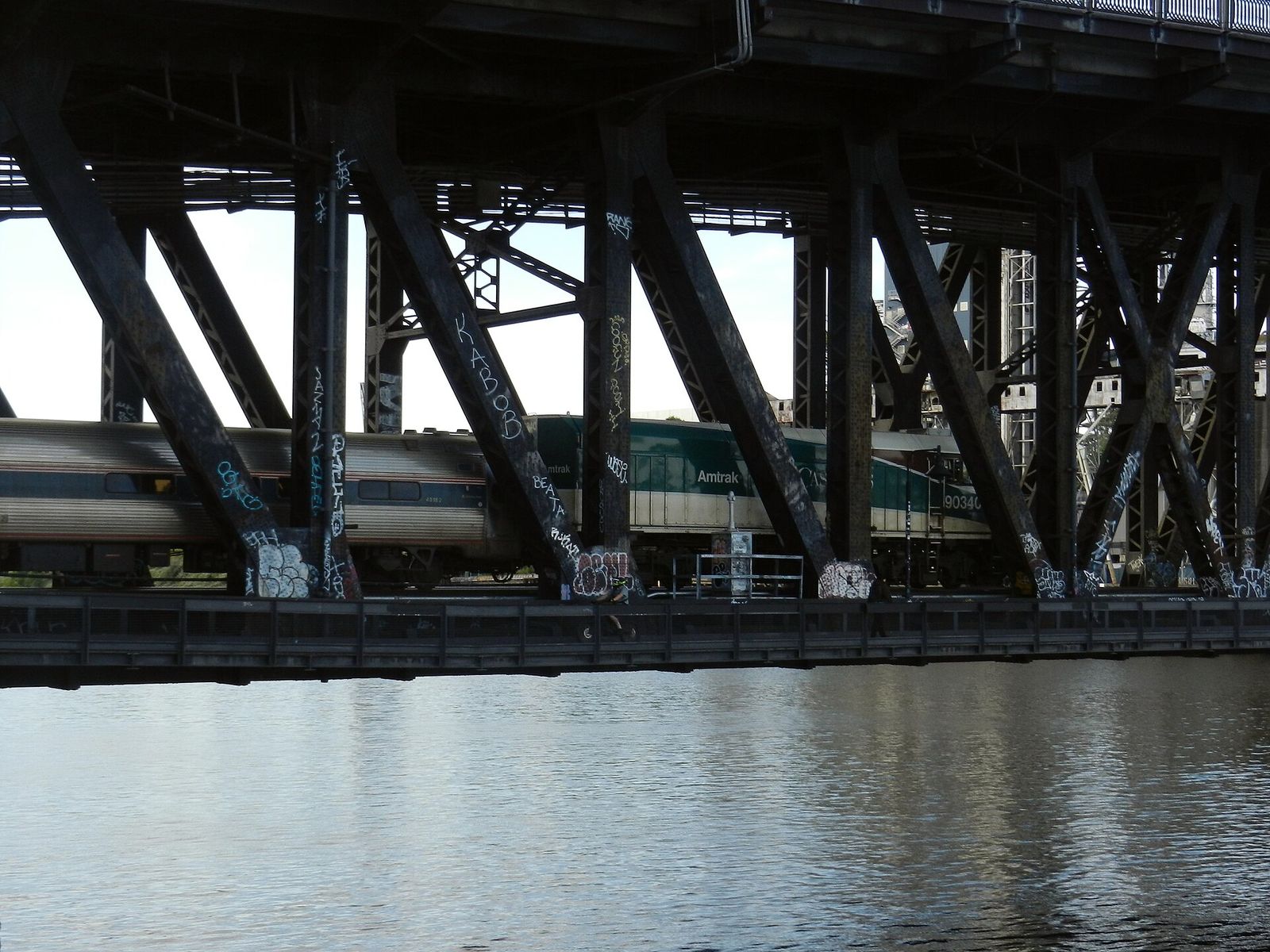
Amtrak Cascades — the Seattle pairing Intercity rail — Amtrak · WSDOT · ODOT
Strengths
- A genuine two-city structure, not a marketing one: the Cascades corridor runs Vancouver, BC — Seattle — Tacoma — Portland — Salem — Eugene, and the Seattle–Portland leg carries several trains a day in each direction on the official timetable
- Both stations are downtown stations — King Street Station in Seattle and Union Station in Portland — so the train deposits you inside the walkable core of each city, which is what makes the pairing work without a car at either end
- The corridor continues both ways from the pair: north to Vancouver, BC and south through Salem to Eugene on the trains that run the longer patterns, with state transport departments (WSDOT and ODOT) as partners in the service
Watch out
- Not every train runs the whole corridor, and not every train stops at every station — the train number you choose decides your pattern, so book a specific train, not a route in the abstract
- This page deliberately states no journey time: the timetable is the operator's to give for your date, and freight-corridor delays are a known feature of Pacific Northwest rail — do not build a same-evening connection on hope
- Union Station sits at the north end of the downtown core — walkable, but plan the last stretch with luggage rather than discovering it
Best for: the trip this hub was missing — Seattle and Portland in one journey, downtown to downtown, with the driving day deleted entirely. Our Seattle city page is the other half of the pair.
The west-bank core
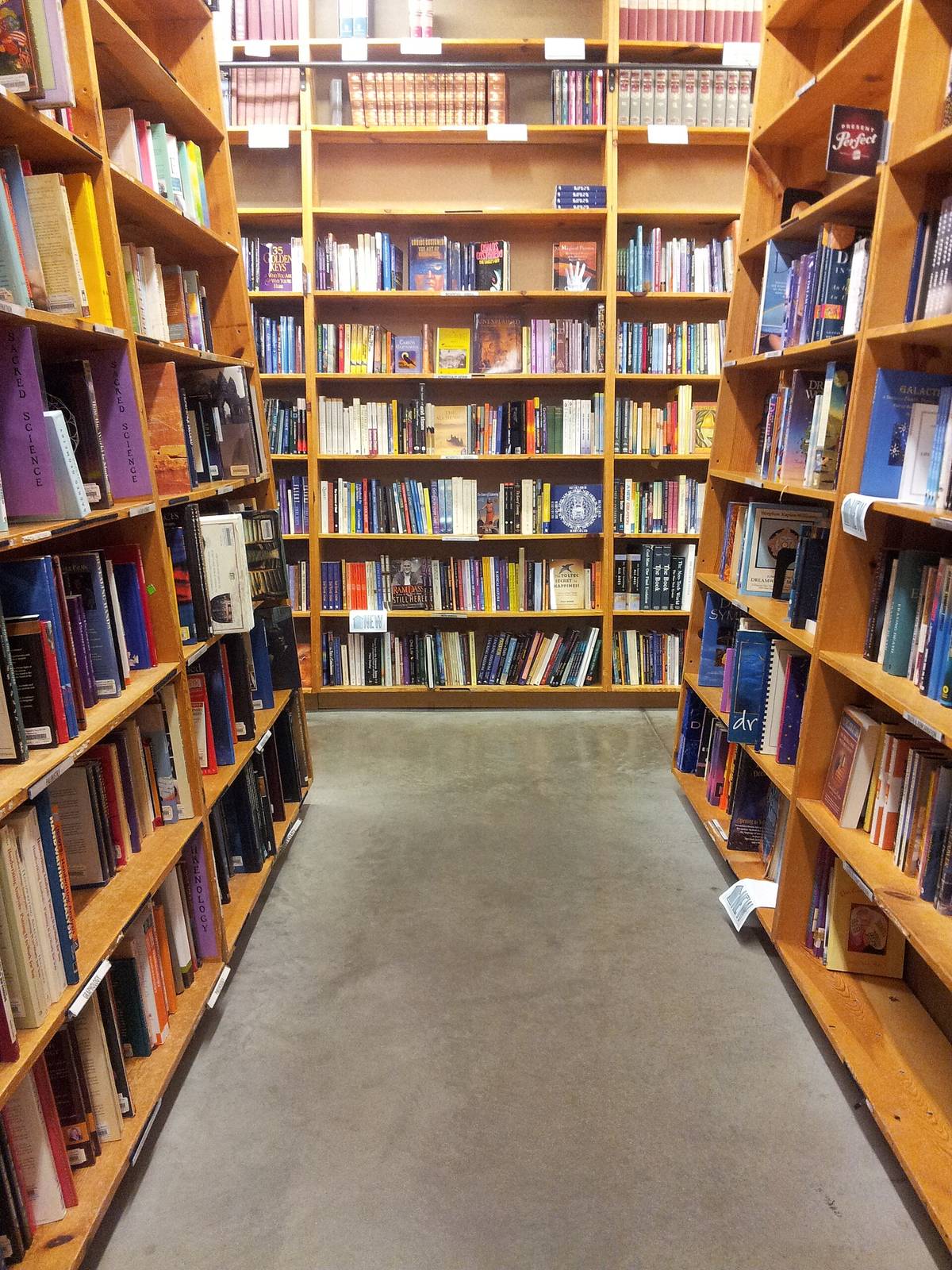
Powell's City of Books Bookstore — Pearl District edge, W Burnside
Strengths
- A bookstore the size of a city block — that is the literal structure, at 1005 W Burnside on the edge of the Pearl District — with new and used books shelved together through colour-coded rooms, in the store's own description the largest used and new bookstore in the world
- It is the rare famous sight that needs no ticket, no reservation and no weather: a downtown anchor that works on a rainy morning exactly as well as a clear one
- The Pearl District around it is the natural pairing — galleries, converted warehouse blocks and the streetcar-era streetscape, all on foot from the same base
Watch out
- The "largest in the world" line is the store's own description of itself — enjoy it as Portland character, not as an audited record
- The scale cuts both ways: without a plan this is a place people lose an afternoon in, which is either the point of your trip or a hole in it
- It is a working bookshop, not a museum — the rare-book room and events run on the store's own schedule, checked on powells.com
Best for: the downtown half-day's centre of gravity — and the souvenir logic of Portland in one building: you leave with books, not merchandise.
See Powell's City of Books →Official siteWashington Park — two gardens, opposite rules
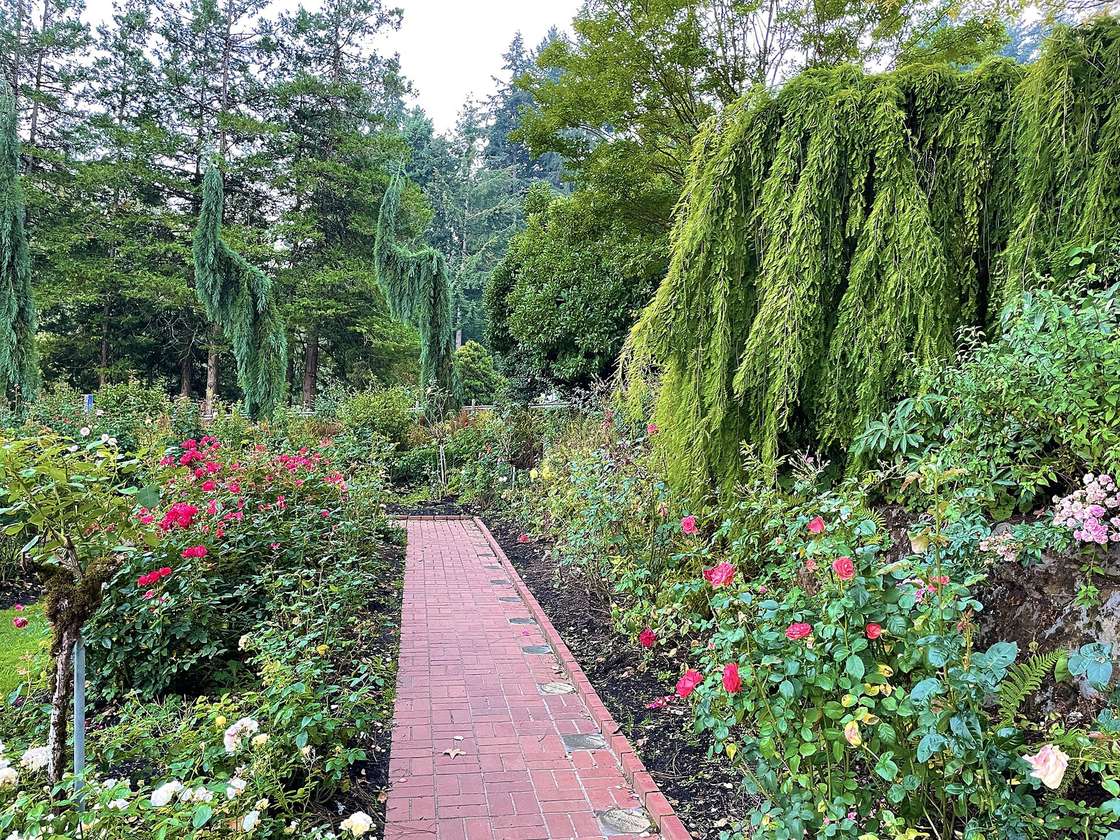
International Rose Test Garden Public garden — Portland Parks & Recreation
Strengths
- The oldest continuously operating public rose test garden in the United States, in the city parks department's own account — founded in the First World War era partly to preserve European rose varieties, and still doing its original job of testing new varieties
- Entry is free — the parks department itself lists it among Oregon's top free attractions — and the terraced beds face downtown and, on clear days, Mount Hood
- It is the flexible half of the Washington Park pair: a walk-in public garden that absorbs schedule changes the timed garden cannot
Watch out
- A test garden is a seasonal sight: the bloom runs through the warmer months with its peak early in summer, and a winter visit is a hillside of pruned beds — set expectations by season, not by postcard
- Free does not mean effortless: the park's parking fills on fine weekends, and the gardens sit up a hill from downtown — the trip up is part of the plan
- Because it is a working test garden, beds are labelled trials, not a designed show garden — the pleasure is variety and the view, row by row
Best for: the Washington Park morning in bloom season — paired with the Japanese Garden across the road, in whichever order the timed ticket gives you.
See the Rose Test Garden →Official site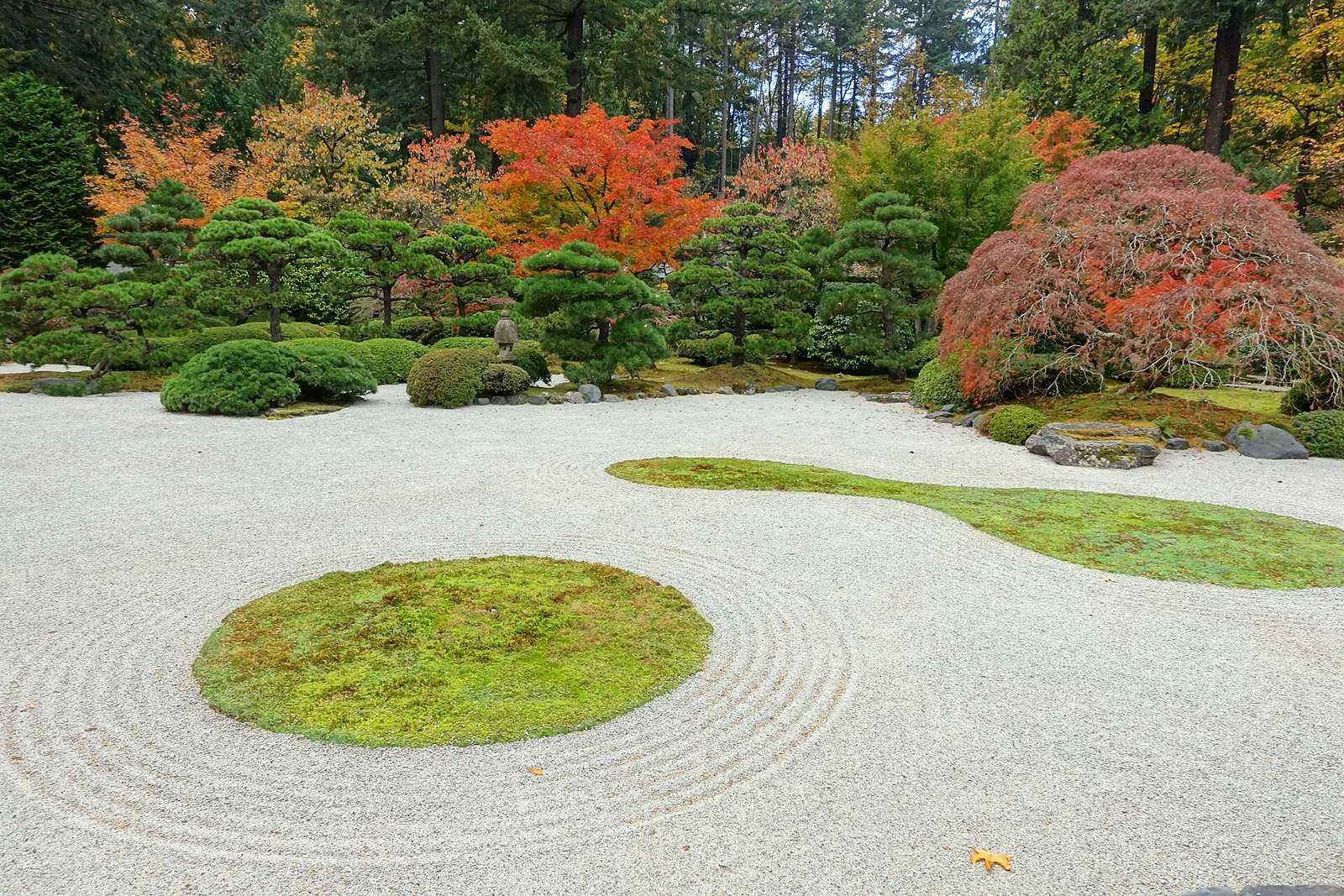
Portland Japanese Garden Garden & cultural village — timed entry
Strengths
- A serious garden, run as a nonprofit cultural institution in Washington Park since it opened to the public in the nineteen-sixties — a sequence of distinct garden spaces climbing the wooded hillside above the rose garden, with a cultural village of exhibition and learning spaces at its heart
- The timed-entry system is the honest kind of constraint: the garden's own site tells you to book your ticket before you arrive, which caps the crowds inside a place whose whole value is quiet
- It rewards the seasons differently rather than less — spring blossom, summer green, autumn colour are distinct visits, which makes it the repeatable half of the pair
Watch out
- Tickets are timed, the booking window opens only days ahead, and the garden's terms make tickets non-refundable with exchanges only up to the day before — this is the one Portland sight to lock once your dates are fixed, and the one that punishes improvisation
- Hours vary by season and the garden keeps member-only hours — the public day is shorter than the park around it suggests; read the official hours page for your date
- It is a contemplative, hillside site with paths and steps — not a playground stop, and not a quick one
Best for: the deliberate traveller's Washington Park — booked first, taken slowly, and paired with the free rose garden across the road.
See Portland Japanese Garden →Official siteThe radius — the Gorge day
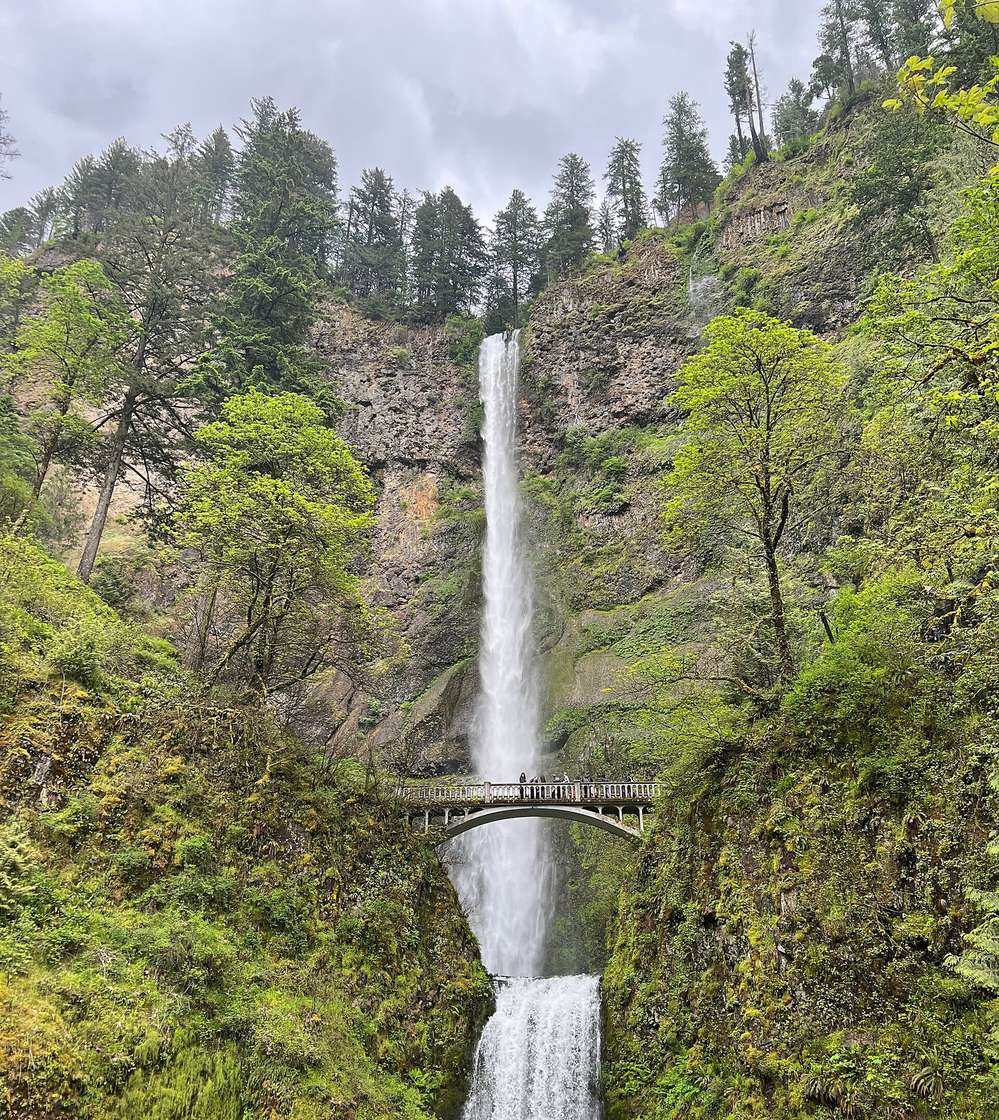
Multnomah Falls & the Columbia River Gorge National Scenic Area — U.S. Forest Service
Strengths
- The Forest Service's own billing is strong and specific: a 620-foot year-round waterfall, described by the agency as the most visited natural recreation site in the Pacific Northwest, fed by underground springs with its flow highest in winter and spring
- The visit scales to your day — the lower viewpoint and Benson Bridge for the short stop, or the agency's trail continuing to the top of the falls and back for the committed version, with the lodge's visitor centre at the base
- It is the head of a corridor, not a lone sight: the Historic Columbia River Highway strings more waterfalls and viewpoints along the Gorge, so the day has depth beyond one famous frame
Watch out
- Access is managed, seasonally: in the 2026 summer season the I-84 parking lot required a timed-use permit booked through Recreation.gov, and the system is set year by year — last year's guide is not evidence for your trip; the Forest Service page is
- Site works are live right now: the lodge restrooms are closed for renovation through November 2026 with limited portable facilities on site, per the Forest Service's current conditions
- The fame is the crowd: this is the Gorge's bottleneck sight, and its lots and bridge fill first — early starts and weekday choices are structural advice, not tips
Best for: the one full day out of the city — Gorge first, city second — planned from the Forest Service's conditions page the week you go.
See Multnomah Falls on fs.usda.gov →Official site Browse Portland & Gorge tours →Affiliate link — you pay the sameWhich Portland day is yours?
The city course in this hub's sense: half-day modules first, then the one-day build, then what the second day and the rail pairing honestly add. Slots, not timetables — the timed garden and the trains set the day, and the operators publish those times.
Getting around — an airport train, a walkable core, one hill
What about money?
Deliberately, this page carries no budget table and no stated prices — that is this hub's standing rule for city courses, because Portland's costs are set per date and per ticket by the operators themselves. The structure worth knowing is simple: the city's best free layer is unusually strong (the Rose Test Garden, the riverfront, the bridges and Powell's browsing), the one timed ticket is the Japanese Garden, and the train and the Gorge day are where a Portland budget concentrates. For worked numbers, our budget calculator builds example budgets for US trips — treat every figure there as an example to adjust, not a quote — and our travel cards comparison covers paying for it all without foreign-transaction surprises.
Decisions that actually matter
Can I really do Seattle and Portland in one trip without a car?
Yes — that is the pairing this page exists to describe. Amtrak Cascades runs several trains a day between King Street Station and Union Station on the official timetable, both stations sit in their cities' walkable cores, and each city has an airport light-rail line and a walkable downtown cluster. The discipline is in the details: book a specific train (patterns and stops differ), and read the timetable on Amtrak's own site rather than trusting any guide's stated journey time — including ours, which is why this page states none.
Do I need to book anything in Portland in advance?
Two things. The Portland Japanese Garden runs on timed tickets its own site tells you to book before arriving, with a booking window that opens days ahead and non-refundable terms. And in the summer season, the Multnomah Falls I-84 parking lot has required a timed-use permit booked through Recreation.gov — a seasonal system set year by year, so verify your year on the Forest Service page. Everything else on this page — the rose garden, Powell's, the downtown core — is walk-in.
When should I go for the roses?
The parks department's garden is a working test garden whose bloom runs through the warmer months and peaks early in summer, weather deciding the exact weeks. A trip timed for the peak should still treat the Japanese Garden as the anchor booking — it is at its best across more of the year, and the rose garden is at its best for a shorter window inside it.
Is the Gorge a half-day add-on?
Treat it as a day. Multnomah Falls alone can be done as a focused outing, but the permit check, the lots and the Historic Highway's string of falls all reward an early, unhurried start — and punish the version squeezed after a city morning. If you only have the half day, the honest swap is a guided tour that carries the logistics, booked through the falls card above.
Where should I sleep — downtown, the Pearl, or the east side?
By walking logic, not price: the west-bank core (downtown and the Pearl) keeps Powell's, Union Station and the MAX web on foot, and shortens Washington Park. An east-side stay trades that for a neighbourhood morning — coffee on a main street instead of a hotel district — at the cost of a bridge crossing for every downtown plan. Compare the actual properties in our hotels comparison; geography says the west bank is the default first-visit base.
Prices and terms change often — the booking site is the final word. Train timetables, garden hours, permit seasons and transit patterns all change; check the operator's own page for your date. Facts on this page checked against official sources, November 2026.


