
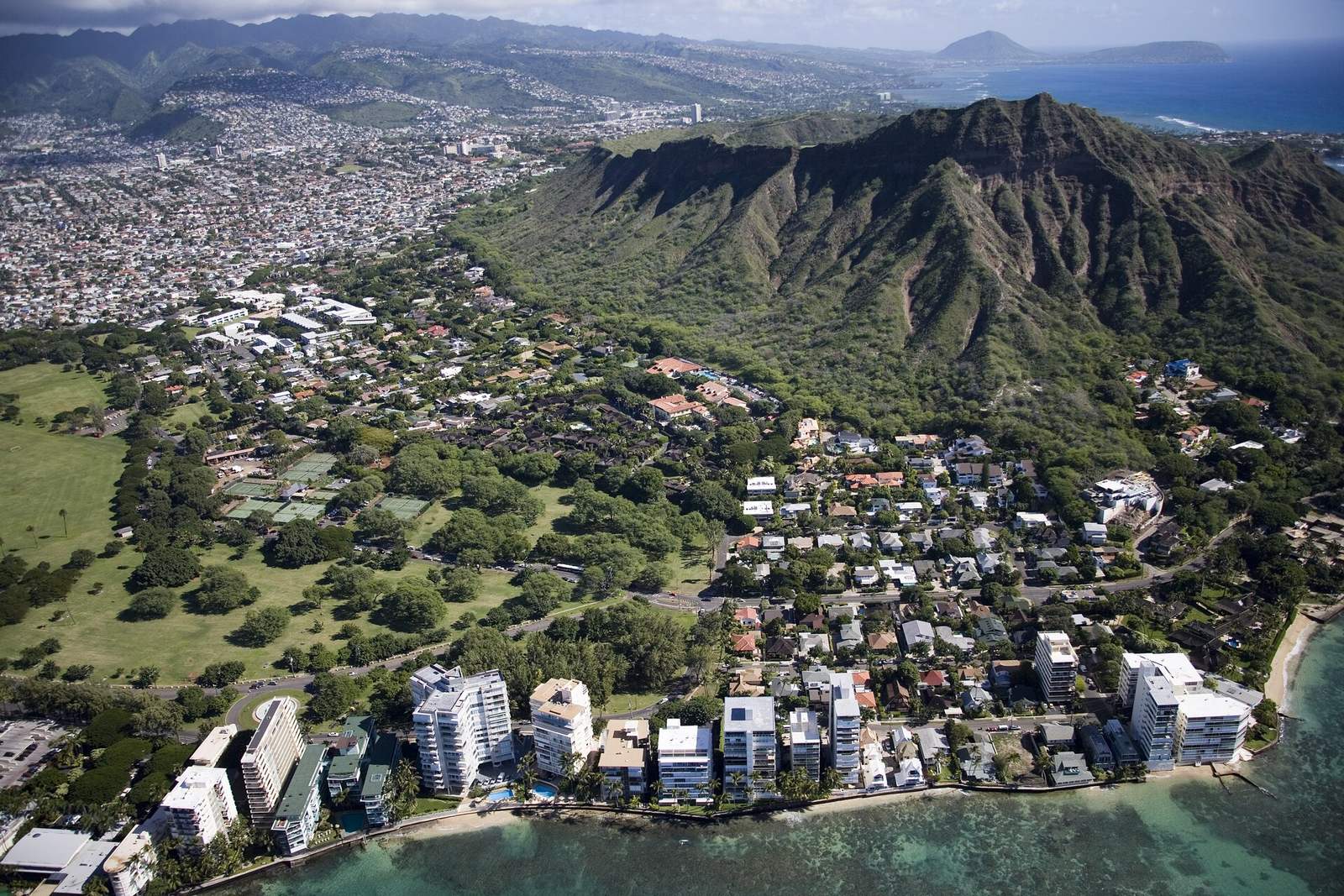
🌺 Hawaii, planned by island and base
Hawaii is the deepest coverage in this hub — and the easiest trip to plan wrong, because it is not one place. It is a chain of separate islands, and on the main arrival island, Oahu, it is a set of separate sectors that each need their own trip out from your base. Waikiki and Honolulu form the walkable arrival base. Pearl Harbor sits to the west under a reservation system run by the National Park Service. Diamond Head and Hanauma Bay, to the east, both run on advance reservations of their own — three different booking systems before you have left one island. The North Shore and the windward coast are a driving loop, not a stroll. And Maui is not a day trip from any of it: it is a second base, reached by air, with its own reservation-gated sunrise at Haleakalā. This page is the hub those pieces hang from — which island, which base, and where a car is and is not the answer — with no prices stated, because every charge here is set on an official booking page for your date.
The lay of the land — one arrival base, four Oahu sectors, a second island
Read Hawaii as bases and sectors, not as a list of sights. Oahu is the arrival base for most trips: you land at Honolulu, sleep in or near Waikiki, and make separate trips west to Pearl Harbor, east to Diamond Head and Hanauma Bay, and north and around the windward side on the driving loop. Maui is a second base with its own airport, its own sectors and its own early-morning reservation — planned as a move, not an excursion. The table is the map; the cards below carry the booking detail.
| Sector | What is in it | How it works | Watch out |
|---|---|---|---|
| Waikiki & Honolulu (the base) | The beach strip, the hotels, downtown Honolulu and the Ala Moana side | The walkable layer: beach, food and city on foot, TheBus for everything wider | It is a base, not the island — every other sector on this page is a trip out of it |
| West — Pearl Harbor | Pearl Harbor National Memorial and the USS Arizona Memorial program | An NPS site: the visitor center and grounds need no ticket; the Arizona boat program is booked ahead on Recreation.gov | The reservation is for the boat program only, and it is a different system from everything else on this page |
| East — Diamond Head & Hanauma Bay | Diamond Head State Monument; Hanauma Bay Nature Preserve | Two separate advance-reservation systems: the state parks portal for Diamond Head, the City and County system for Hanauma Bay | Neither takes walk-up planning for granted — and Hanauma Bay closes two days a week |
| North & Windward — the loop | The North Shore surf coast, Haleiwa, and the windward (east) coast road back | The driving sector: this is where a rental car earns its keep, as a loop rather than a point-to-point | Ocean conditions on the North Shore are a county lifeguard question, not a guidebook promise — check conditions on the day |
| Maui (the second base) | West Maui and South Maui resort bases; Haleakalā National Park; the Hana side | Reached by air and slept in, not day-tripped; Haleakalā sunrise is its own Recreation.gov reservation | There is no ferry from Oahu to Maui — see the inter-island section before you plan around one |
The base — Waikiki and Honolulu
Waikiki & Honolulu — the arrival base Base sector — walkable
Strengths
- The only part of Hawaii where a first trip works without planning transport at all: beach, hotels, food and shopping in one walkable strip, with downtown Honolulu and its historic core on the same urban side
- TheBus network radiates from here across the whole island — Pearl Harbor, the east side and the loop's endpoints are all bus-reachable in structure, even where a car is faster in practice
- It absorbs arrival and departure days gracefully: a late landing or an early flight still leaves a usable beach evening or morning
Watch out
- It is also the most built-up, most expensive-feeling Hawaii most visitors meet — the quiet-coast Hawaii of photographs is in the other sectors, not this one
- A rental car based here is mostly a parking question on Waikiki days; the car earns its keep on the loop days, not the base days
- Downtown Honolulu is a working city centre with office hours, not a resort strip — its sights run on daytime patterns
Best for: the default first base — land here, orient here, and let every other sector be a deliberate trip out and back.
See Hawaii Tourism Authority →Official siteWest and east — the three reservation systems
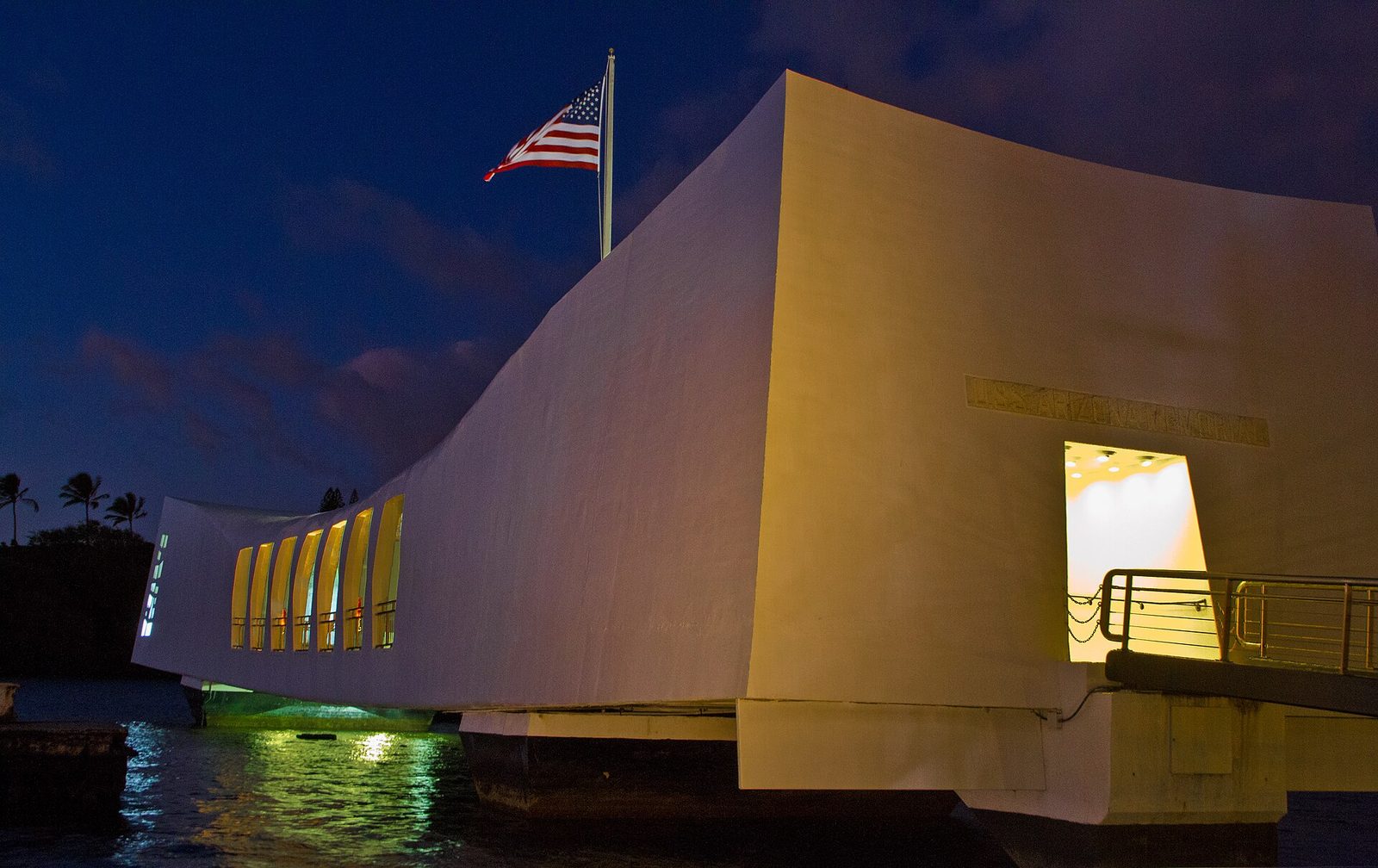
Pearl Harbor & the USS Arizona Memorial National memorial — NPS
Strengths
- The structure is more forgiving than its reputation: entry to the Pearl Harbor Visitor Center, its grounds and its museums requires no reservation and no ticket — you can walk the memorial grounds without booking anything
- What you book is one specific thing, the National Park Service's USS Arizona Memorial program — the boat out to the memorial — and the NPS states the system plainly on its own pages
- A standby callback system exists for visitors who arrive without a reservation, so a missed booking window is a setback, not the end of the visit
Watch out
- Reservations for the Arizona program are made only through Recreation.gov, released daily in two windows — eight weeks ahead and the day before — and the old same-day, first-come ticket distribution has been discontinued; Recreation.gov applies its own per-ticket booking fee, stated on the booking page
- The neighbouring battleship, submarine and aviation museums around the same visitor centre are separately run and separately ticketed — one booking never covers the whole harbour
- The Ford Island bus tour (to the Utah and Oklahoma memorials) is a second, separate Recreation.gov reservation
Best for: a half-day west from the base — booked first in the trip plan, because its reservation windows open earliest.
See Pearl Harbor National Memorial →Official site Browse Hawaii tours →Affiliate link — you pay the same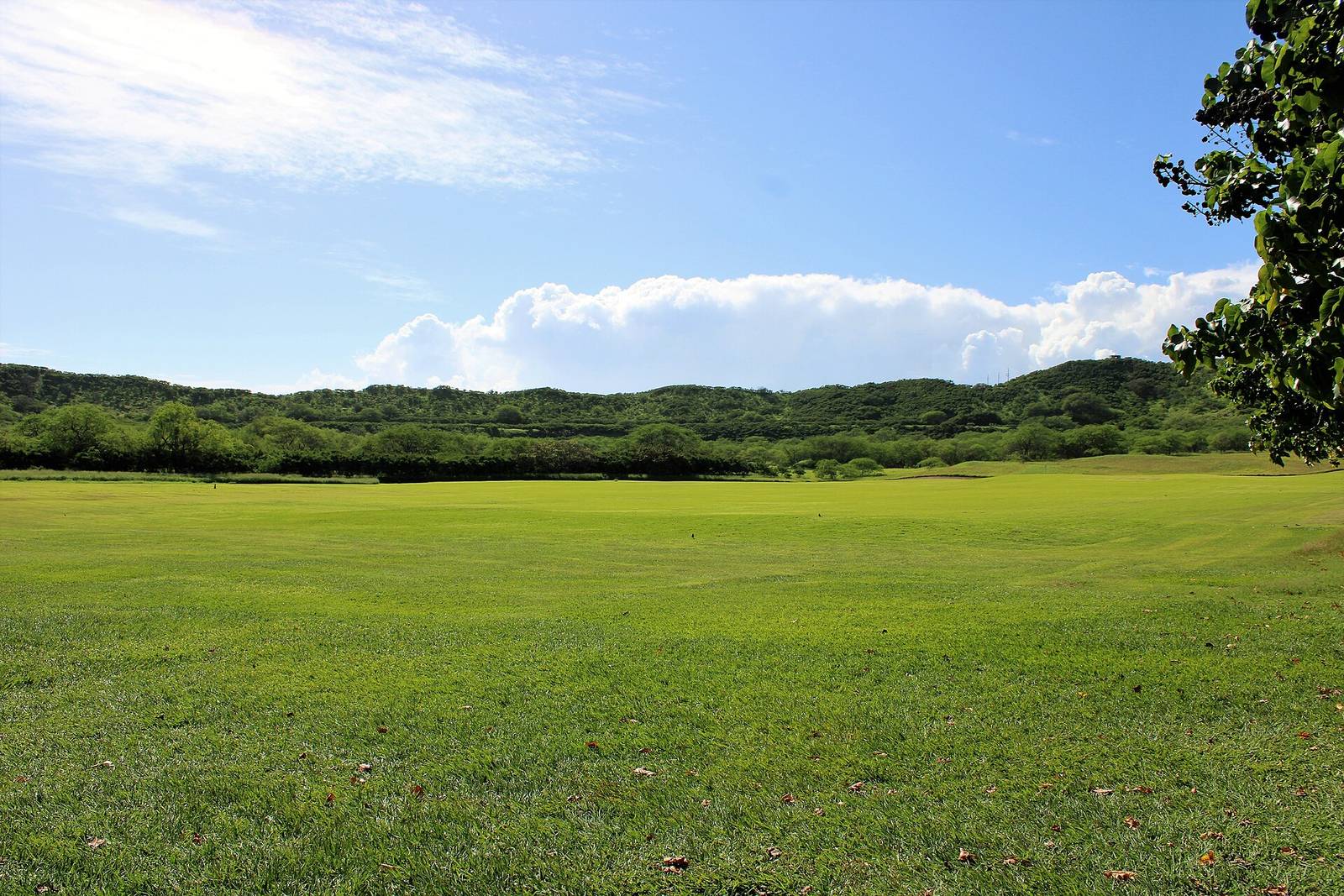
Diamond Head State Monument State monument — reservation entry
Strengths
- The crater hike is the base's own summit: a state monument at the edge of Waikiki, close enough to anchor a morning and still leave the day usable
- The booking structure is clean once you know it exists: non-residents book entry — or entry with parking — in advance, online, in timed windows, through the official state parks portal and nowhere else
- Hawaii residents with state ID are exempt from both the reservation and the charge — the system is aimed squarely at managing visitor volume
Watch out
- There is no walk-up version of this plan for non-residents: arrive without the portal booking and the hike does not happen — book it when you book Pearl Harbor, not the night before
- Entry and parking are two different products on the portal; drivers who book entry only have booked a hike, not a parking space
- Entry is paid for non-residents — the current charge is stated on the portal; this page states none
Best for: the early slot of an east-side day — crater first, then the coast road or Hanauma Bay if its own reservation lines up.
See the Diamond Head reservation portal →Official site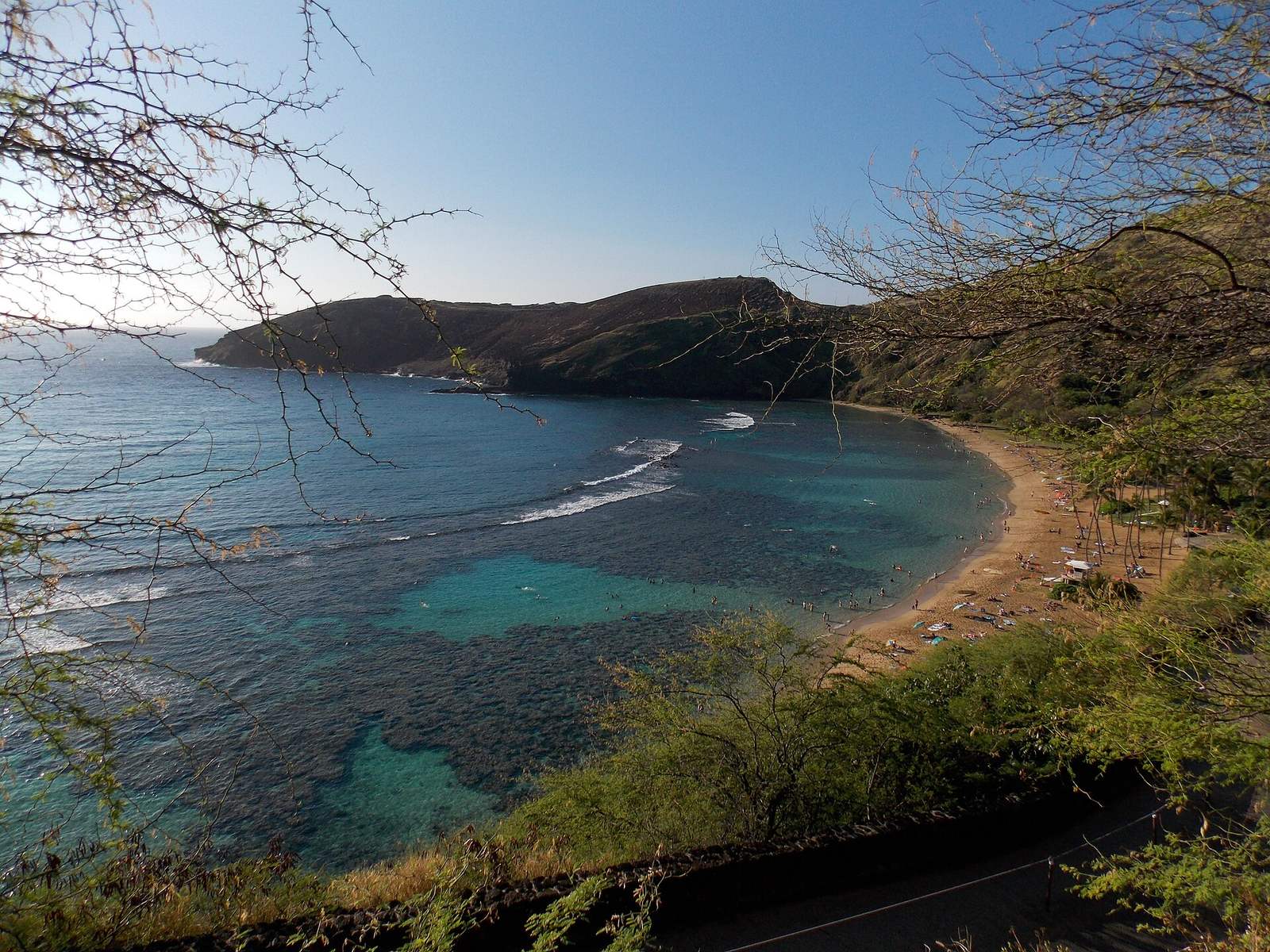
Hanauma Bay Nature Preserve Nature preserve — city-run reservations
Strengths
- A protected bay run as a nature preserve first and a beach second — the reservation cap is the conservation policy, and it keeps the snorkelling uncrowded by Hawaiian standards
- The system is short-fused rather than long-planned: non-resident reservations open just two days ahead on the City and County system, so it can be fitted around the rest of the trip once you are on island time
- A limited number of walk-in tickets are released at the gate on the day — a genuine fallback, if an early one
Watch out
- It is run by the City and County of Honolulu, not the state — its booking system is a third, separate one, and a Diamond Head booking does nothing here
- The preserve is closed on Mondays and Tuesdays every week, which quietly removes it from a large share of short itineraries — check your days before you promise it to anyone
- Two-days-ahead slots are released at a set morning hour Hawaii time and go quickly; residents with ID enter without the reservation, which tells you who the system expects to plan
Best for: the snorkelling morning of the trip — chosen two days out, once the week's weather and the other reservations are known.
See Hanauma Bay (City & County) →Official siteThe loop and the second island
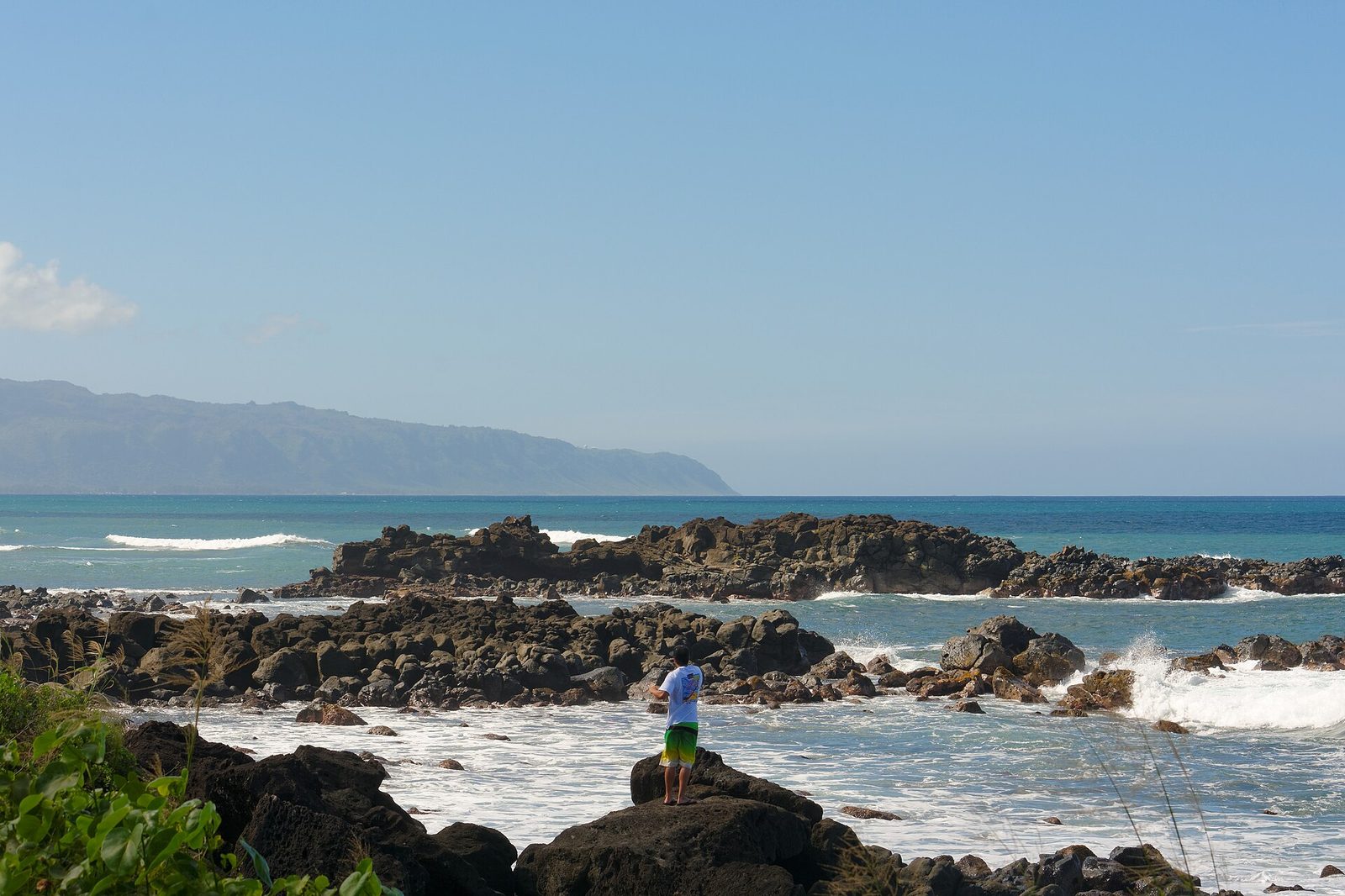
The North Shore & the island loop Driving sector — the car day
Strengths
- The counterweight to Waikiki: the surf coast around Haleiwa, the big-wave beaches of winter fame, and the windward coast road that turns the return into a second sightseeing leg rather than a retrace
- As a loop it stacks naturally — North Shore one way, windward coast the other — so one rental day covers the island's whole non-urban side
- This is the sector where our spoke coverage does the detailed work: the Oahu rental guide linked below covers routes and rental choices in full
Watch out
- Winter surf on this coast is a serious ocean, not a photo backdrop: swim only where county lifeguards are on duty and heed the county's posted conditions on the day — no guide can clear a beach for you
- It is a full driving day, not an add-on: wedging the loop into a half day short-changes both coasts
- We deliberately do not repeat the rental detail here — car choice, pickup geography and route order live in the spoke guide, and this page links rather than rewrites it
Best for: the one full car day of an Oahu stay — and the day that most changes what visitors think Hawaii is.
Read the Oahu car rental guide →Our spoke guide Compare rentals on the hub →Hub comparison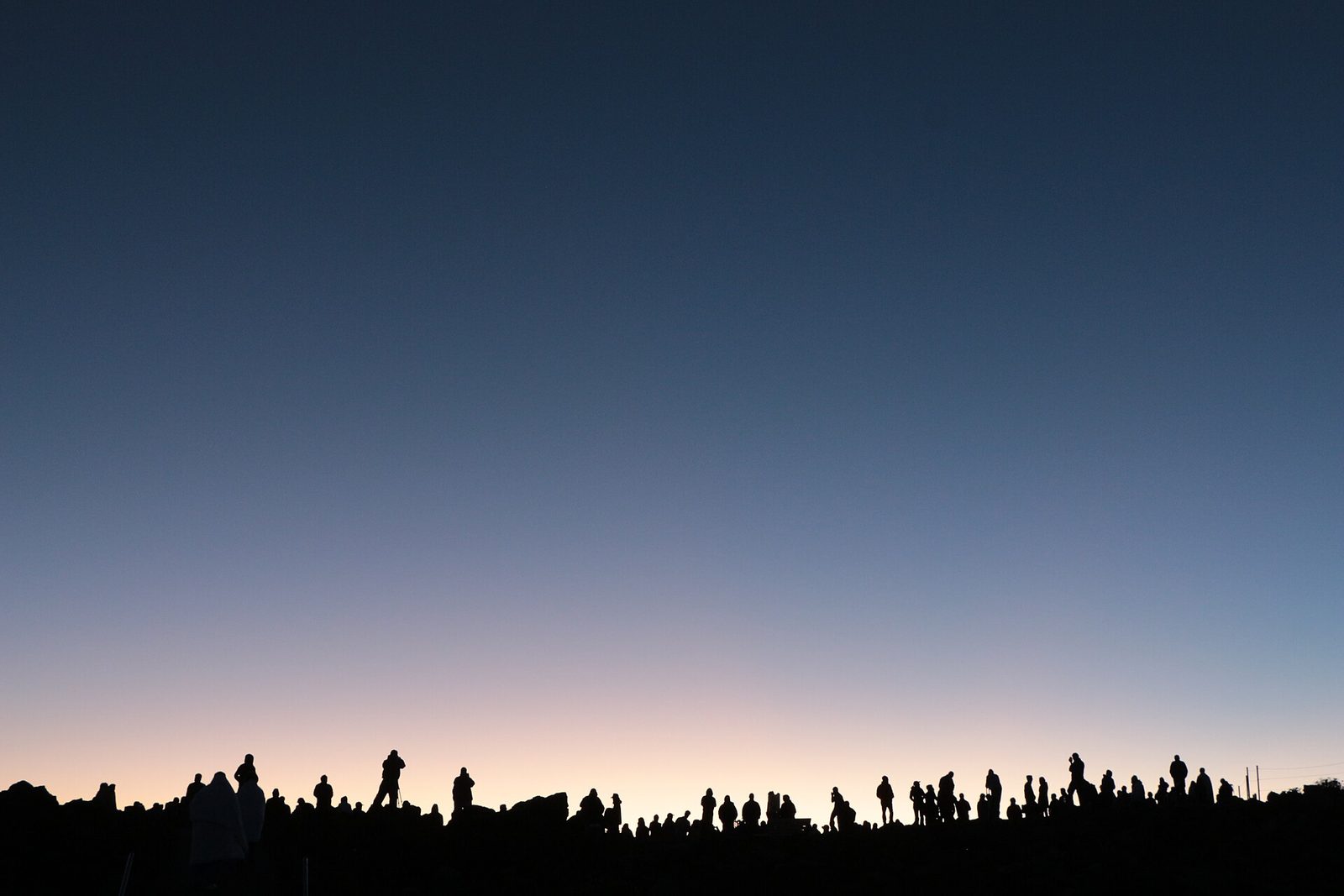
Maui — the second base, and Haleakalā at sunrise Second island — fly and re-base
Strengths
- A genuinely different island, not more of Oahu: resort bases split between the west side (Kaanapali and Lahaina side) and the south side (Kihei and Wailea), with the upcountry and the Hana coast as its own sectors
- Haleakalā National Park's summit sunrise is one of the great managed spectacles in US travel — and it is managed: entry to the Summit District for sunrise runs on a Recreation.gov reservation, released up to sixty days ahead with a further release two days ahead
- As a base it rewards the same discipline as Oahu — sectors by day, reservations first — so the planning skills transfer
Watch out
- The sunrise reservation is per vehicle and day-specific, limited to one per visitor in a three-day period, and the Park Service does not refund or exchange it for weather — a cloudy summit is the risk you accept when you book
- Sunrise is the only reservation-gated hour: the summit at other times, and the park's Kipahulu District on the Hana side, work differently — do not let one booking rule stand in for the whole park
- Maui needs its own nights. A base split (Oahu nights, then Maui nights) is a plan; a Maui day trip from Waikiki is a very long airport story
Best for: trips of a week or more — the second half of the classic two-island Hawaii, with the sunrise booked before you fly.
See Haleakalā National Park →Official siteOne island is not a day trip — the inter-island truth
More Hawaii itineraries go wrong on this assumption than on any other, so it gets its own section. There is no ferry network between the main islands. You cannot sail from Oahu to Maui for the day, and no product can sell you that trip. The honest structure is below.
Shows and luaus live on their own page
Hawaii's evening layer — luaus sold as packages rather than seats, the Polynesian Cultural Center, and Honolulu's resident stages, each selling tickets through a different official door — is covered in full in our dedicated guide. This main page deliberately does not re-review shows; the judgement lives there.
Which Hawaii day is yours?
The course in this hub's sense: sectors first, then the builds. Slots, not timetables — the reservation systems set the days, and they publish the times.
Getting around — a bus island, a half-built railway, a car by sector
What about money?
Deliberately, this page carries no budget table and no stated prices — that is this hub's standing rule for destination courses, because Hawaii's costs are set per date and per booking by the operators themselves. The structure worth knowing is simple: the memorial grounds and the base's beach are the no-ticket layer, and the money concentrates in the reserved sights, the inter-island flights if you take them, and the car days. For worked numbers, our budget calculator includes Hawaii (Oahu & Maui) as a destination and builds example budgets for the trip — treat every figure there as an example to adjust, not a quote — and our travel cards comparison covers paying for it all.
Decisions that actually matter
Do I need reservations for Pearl Harbor?
For the visitor center, the grounds and the museums, no — entry there needs no ticket at all. For the USS Arizona Memorial program itself, effectively yes: the boat program is booked through Recreation.gov in two release windows (eight weeks ahead and the day before), the old same-day ticket line has been discontinued, and the Park Service strongly recommends reserving. A standby callback list at the site is the fallback, not the plan.
Can I take a ferry between the islands?
Between the main islands, no — there is no Oahu–Maui, Oahu–Kauai or similar ferry, and island changes are flights. The single regular passenger ferry in the state runs between Maui (Maalaea) and Lanai with the operator Expeditions, which makes Lanai a Maui day trip and changes nothing about the other islands.
Does the Honolulu train go to Waikiki?
Not yet. Skyline's open line runs from East Kapolei to Kalihi Transit Center, via the airport and the Pearl Harbor–Hickam side. Downtown, Ala Moana and Waikiki are beyond its current eastern end — reached by connecting TheBus services — while the extension toward the city centre is still under construction. Check the City and County's transit pages for the current segment before you plan around it.
Why are there three different reservation systems on one island?
Because three different public owners run the three sights: the National Park Service at Pearl Harbor (Recreation.gov), the State of Hawaii at Diamond Head (the state parks portal), and the City and County of Honolulu at Hanauma Bay (its own system, opening two days ahead). None of the bookings transfers. The workable order is Pearl Harbor and Diamond Head early, Hanauma Bay inside its short window.
Do I need a car in Hawaii?
On Oahu, by sector: no for the Waikiki base, Pearl Harbor and the east-side sights — TheBus covers the structure — and yes for the North Shore and windward loop, which is a driving day by design. On Maui the same question restarts: resort sectors and Haleakalā are car country for most visitors. Our Oahu rental spoke guide covers the Oahu decision in full; this page's job is telling you which days actually need the wheels.
How many islands should a first trip do?
One, unless the trip runs to a week or more. Oahu alone holds the base, three reservation systems, the loop and the shows layer without a repeated day. Maui earns its place as a second base with its own nights — and its sunrise reservation booked ahead — not as a day trip, because no day-trip structure between the islands exists.
Keep planning
Prices and terms change often — the booking site is the final word. Reservation windows, transit segments, park rules and ferry schedules all change; check the operator's own page for your date. Facts on this page checked against official sources, November 2026.


