
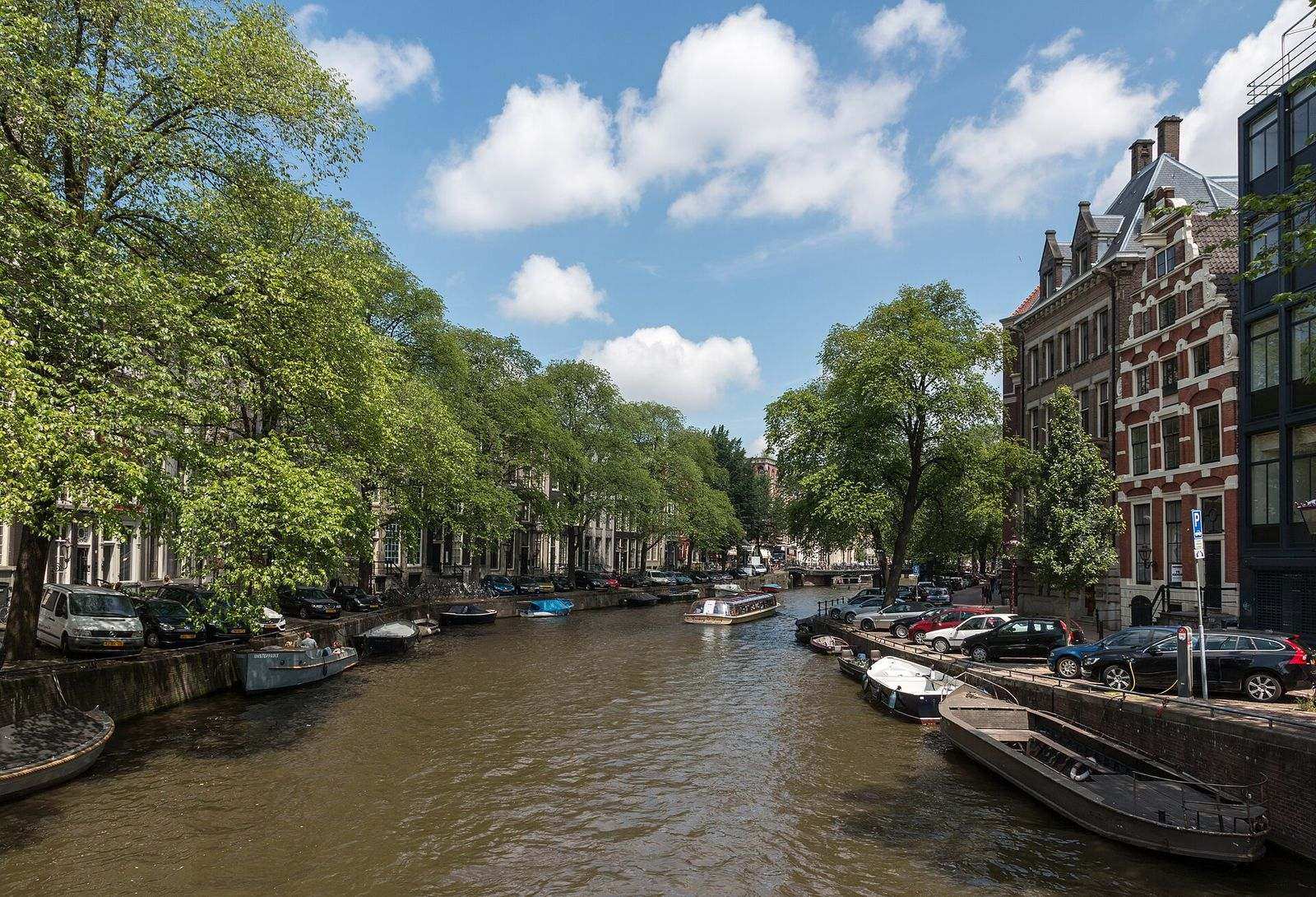
🇳🇱 Netherlands, planned around one tap
The Netherlands is the rare country where the transport system is the itinerary. One payment logic — tap in, tap out — runs across trains, metros, trams and buses nationwide, and NS turns it into a turn-up-and-go network: no separate ticket for each leg of a day. Amsterdam is the arrival hub and museum capital, but not the whole country: Utrecht sits at the centre of the rail web, Rotterdam is the modern counterweight, and The Hague pairs government and museums with the coast. The planning problem is rarely distance. It is discipline: tapping in and out with the same card every time, knowing what a bank card cannot do compared with the older OV-chipkaart, and booking the two great Amsterdam museums as timed anchors — at both, a start time is not optional.
The lay of the land — one tap-in, tap-out country
Almost every Dutch journey is paid for in one of three ways, and the choice is the first real decision of the trip. The logic is national: the same check-in and check-out discipline works on an NS train, an Amsterdam tram and a Rotterdam metro. What changes between the layers is not where they work — it is what they include.
| Layer | What it is | How it works | Watch out |
|---|---|---|---|
| OVpay (bank card) | The current default — your own contactless card or phone becomes the ticket | No sign-up, nothing to activate: tap in, tap out with the same card or device; the day's fares are charged together the next day | Always second class and never with a discount — subscriptions and discount products do not ride on a bank card |
| OV-chipkaart | The older stored-balance card — personal and anonymous — now being replaced by OVpay | Load balance, tap in and out the same way; the personal card is the one that can carry subscriptions and travel products | Anonymous cards are no longer sold (since 1 July 2026); the whole chipkaart system is being discontinued |
| NS e-ticket & app | A bought ticket for a route and a day, from NS itself, alongside the tap layers | Buy on ns.nl or in the NS app; domestic tickets are not tied to reserving a seat on one specific departure | Domestic and international are separate shops: ns.nl inside the Netherlands, NS International across borders |
The payment layers — the tap is the ticket
OVpay — travel with your bank card Payment — the current default
Strengths
- Nothing to buy, load or register in advance: NS is explicit that you do not need to activate anything — a contactless card or mobile device starts travelling right away
- One logic everywhere: the same tap works on train, metro, tram and bus anywhere in the Netherlands, so a mixed day needs no ticket planning at all
Watch out
- By design it is the plain product: always second class, always without a discount — if a subscription or discount would have applied, a bank card cannot use it
- The same-card rule is absolute: check out with the exact card or device you checked in with — your phone and the physical card behind it count as two different cards
- Every traveller needs their own card or device, and a forgotten check-out is a journey you then have to correct through OVpay afterwards
Best for: almost every visitor — a few days of mixed trains, trams and buses with zero setup.
See OVpay →Official siteOV-chipkaart Payment — the outgoing layer
Strengths
- Still the subscription layer: the personal card carries season tickets and travel products, and NS directs season-ticket holders to it — extras such as OV-fiets bike rental and station bike storage sit on this side of the system
Watch out
- It is a closing system: the operator states plainly that the chipkaart will be discontinued and replaced by OVpay — and anonymous cards have not been sold since 1 July 2026
- The anonymous card's limits are structural: no subscriptions or discounts can be added, and a lost card's balance cannot be refunded
- Buying a stored-balance card for a short first visit now means buying into the layer the country is leaving, not the one it is joining
Best for: travellers who already hold one, and longer stays where a personal card carries a subscription.
See OV-chipkaart →Official siteThe trains themselves — turn up and go
NS — Intercity & Sprinter Trains — the national network
Strengths
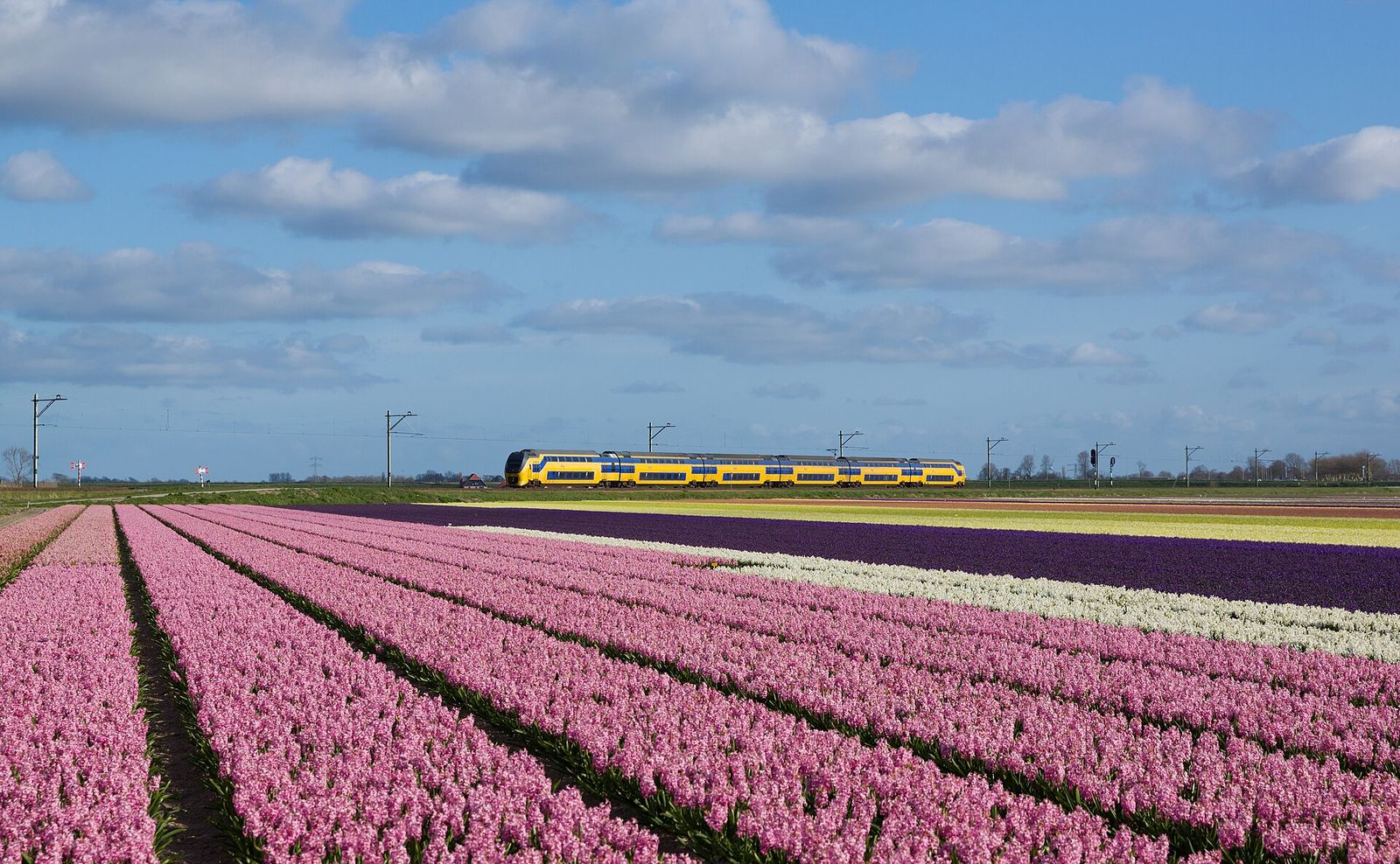
- Two clear layers: Intercity trains run medium and longer distances and stop only at larger stations; Sprinters make shorter hops and stop at every station
- The network runs like a national metro in spirit: check in, take the next train in your class, check out — the timetable, not a reservation, is the plan
Watch out
- Turn-up-and-go also means unreserved: on a busy departure, your check-in is valid and your seat is still first-come — travel outside the peak where you can
Best for: the whole trip — in the Netherlands, the train is not one option among several; it is the default shape of the itinerary.
Beyond Amsterdam — bases the rail web makes easy
The tourism board's own framing is a small country where culture and nature sit right next to each other — and where the natural pattern is a museum, a train to another city, then a walk. Use the bases below that way: one home base, day trips on the tap, a second base only when the trip earns one.
Amsterdam Base — arrival hub & the museums
Strengths
- The arrival shape is simple: Schiphol's station feeds straight into Amsterdam Centraal on the same NS logic you will use all trip
- The two museums that run this page's reservation section — the Rijksmuseum and the Van Gogh Museum — face each other across the same museum quarter
Watch out
Best for: the first nights of almost every trip — arrival, the museum quarter, and the canal city at walking pace.
See Holland.com →Official site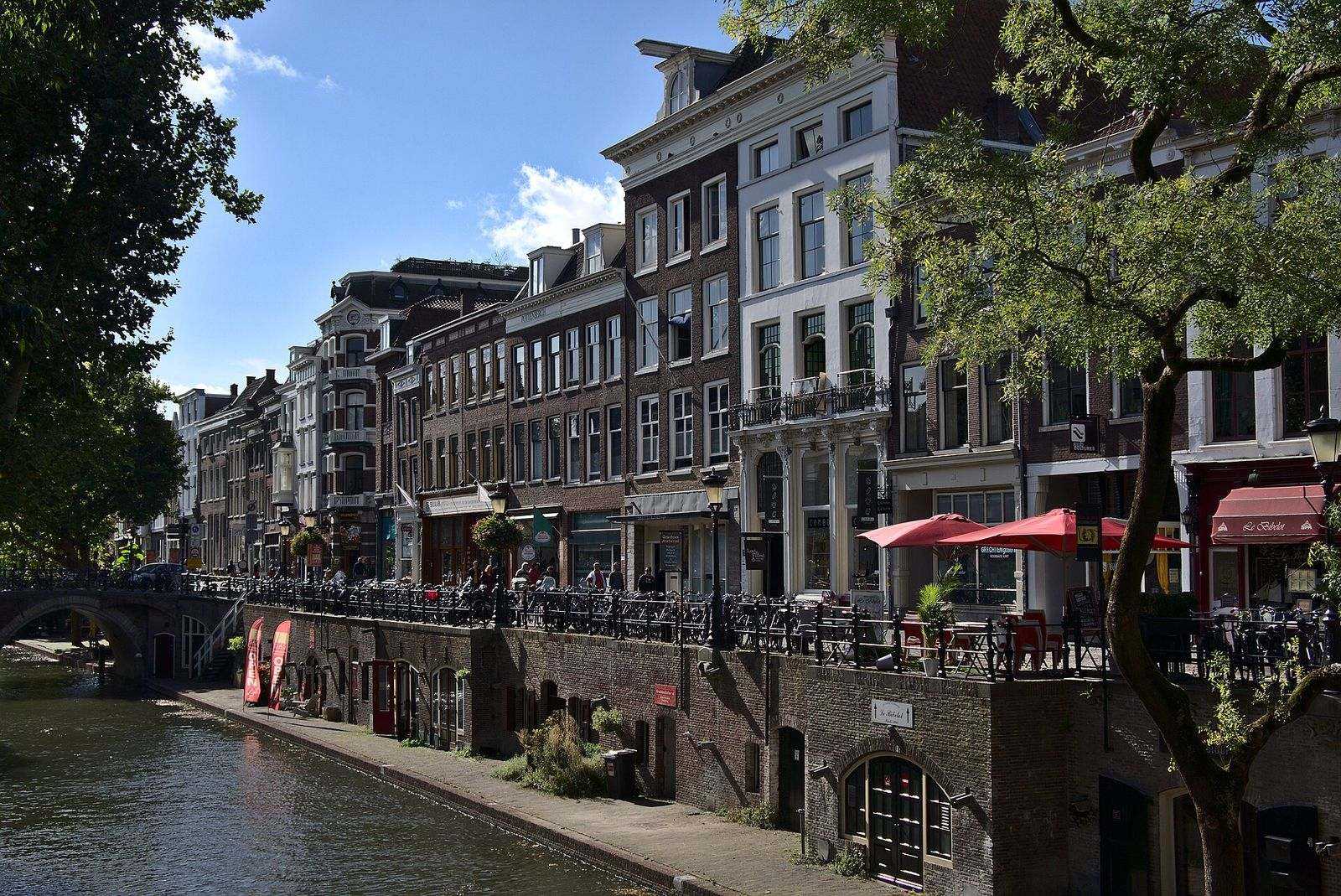
Utrecht Base — the centre of the web
Strengths
- A canal city on a smaller, calmer scale: the Oudegracht's wharf-level cellars and terraces give Utrecht a two-level old centre unlike Amsterdam's
Watch out
- As a pure day trip it can feel rushed; it earns a night when the trip has one to spare
Best for: the second-base trip, and travellers who want the canal city without the capital's pressure.
See Holland.com →Official siteRotterdam Base — the modern counterweight
Strengths
- On the high-speed domestic axis from Amsterdam and Schiphol, so it combines with either as a two-base trip without backtracking logic
Watch out
Best for: architecture-first trips, and as Amsterdam's second base on a longer stay.
See Holland.com →Official siteThe museum judgement — two museums, one rule: book the start time
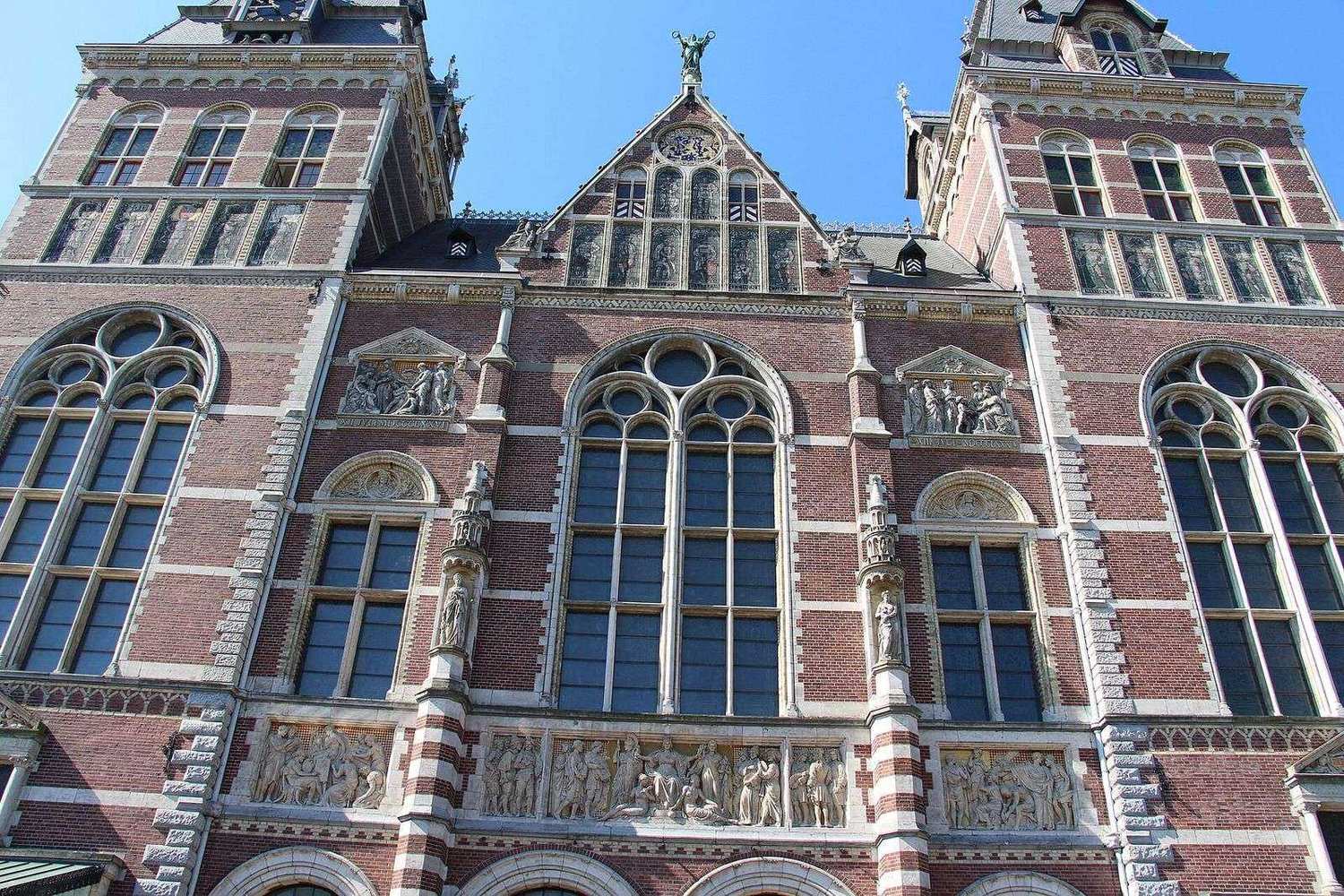
Amsterdam's museum quarter runs on timed entry, and the two giants differ in one important way. At the Rijksmuseum, every visitor must book a start time, but a limited number of tickets are still sold at the entrance while stock lasts. At the Van Gogh Museum, tickets are sold online only — no door fallback at all. Read the two cards as one system: the start time is the anchor of the Amsterdam day; everything else fills around it.
Rijksmuseum Museum — start time required, door fallback exists
Strengths
- Open every day of the year, public holidays included — the museum never forces a closed-day workaround into the itinerary
- The start time is a start, not a ration: once inside, you may stay as long as you like during opening hours, so an early slot buys an unhurried museum
- Plans can move: if you cannot make your date, the museum runs a rebooking route to another open slot — the ticket moves rather than simply being lost
Watch out
- The start-time rule covers everyone: it applies with a Museum Card too — only Friends of the museum and ICOM or ICOMOS holders may arrive without booking ahead
Best for: the anchor museum of the trip — book the slot first, then build the Amsterdam day around it.
See Rijksmuseum →Official site
Van Gogh Museum Museum — online only, no exceptions at the door
Strengths
Watch out
- There is no walk-up route at all: without a start time you cannot visit — the museum says so in those words — so a spontaneous museum day here does not exist
- City-card logic breaks here: the Van Gogh Museum has not been part of the I amsterdam City Card since 1 June 2022 — holding that card changes nothing about this booking
Best for: the traveller who books anchors early — this is the museum to lock in the moment your Amsterdam dates are fixed.
See Van Gogh Museum →Official siteKeukenhof — the one season that plans itself
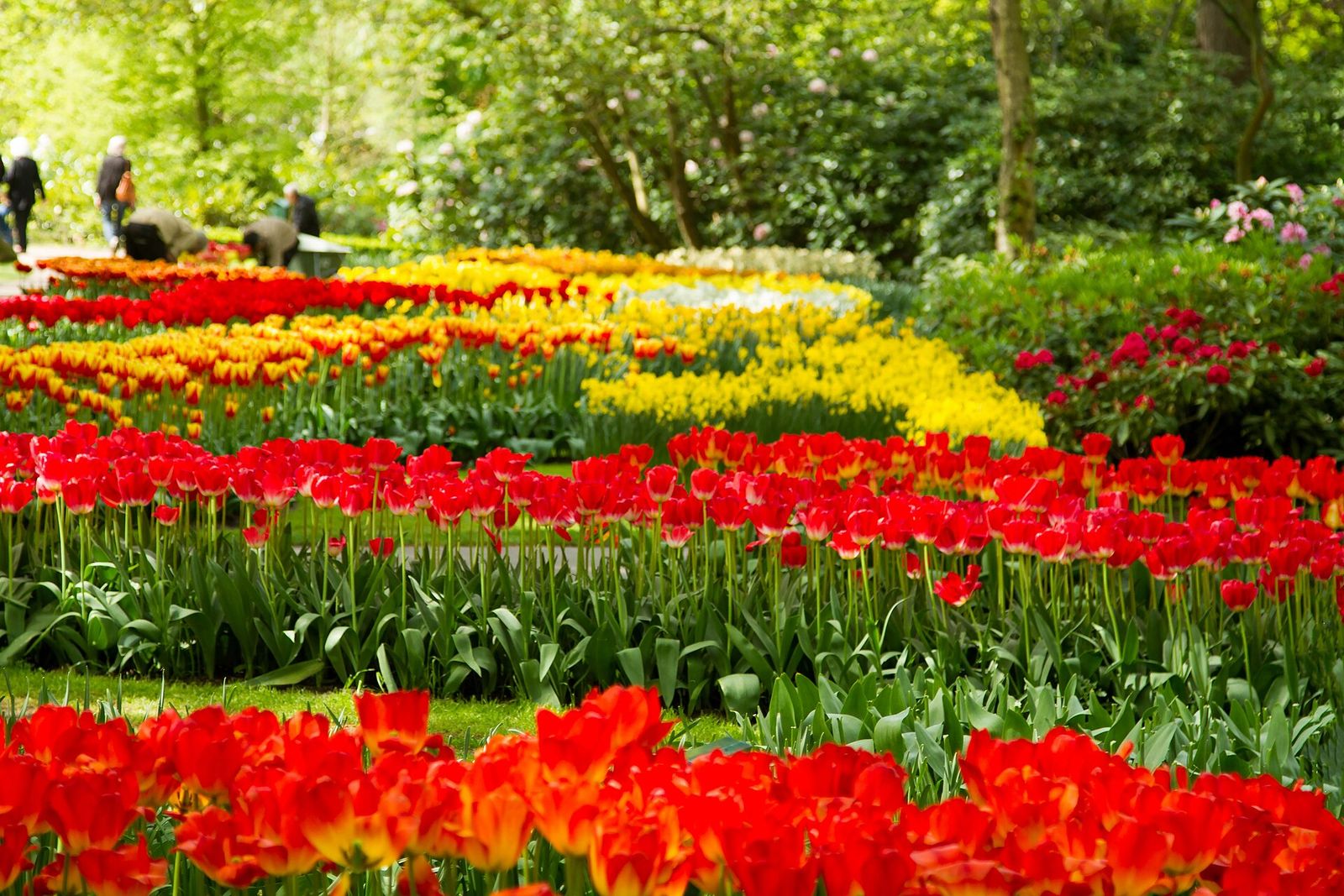
Keukenhof, Lisse Seasonal garden — spring only
Strengths
- One forgiving detail: an online ticket can be rescheduled to another day or time slot up to 24 hours before the visit, via the link in your confirmation email
Watch out
- No page can promise you the flowers: the garden guarantees its opening dates, not a bloom state — what is flowering in your week follows the weather, and the honest check is the garden's own reporting in season
- One date is a known crush: the Bollenstreek Flower Parade (Saturday 17 April 2027) closes roads across the bulb region, and the garden warns that after midday that day it may no longer be reachable
Best for: a spring trip built around the season — the ticket is valid only inside its booked slot, so book the slot first, then let Amsterdam and Leiden fill the days around it.
See Keukenhof →Official siteWhere to sleep — bases, not just cities
The practical layer — how the Netherlands differs from a US trip
Which Netherlands is yours?
Decisions that actually matter
OVpay or OV-chipkaart — which should a visitor use?
For a visit, OVpay — your own bank card — is the default the system itself now points to: no purchase, no loading, no registration, and it works on every train, tram, bus and metro. Its trade is fixed: second class, no discounts. The OV-chipkaart earns consideration when a subscription or discount product is genuinely part of your travel — those live on the personal card — or when you already hold one. Note the direction of travel: anonymous chipkaarts are no longer sold, and the chipkaart system is being discontinued in favour of OVpay.
Do I need to book Dutch trains in advance?
Domestic trains are the turn-up-and-go layer: check in (or hold a valid ticket for the day and route) and take a train in your class — there is no domestic booking ritual. What you book in advance is not the train; it is the anchors at the end of it — museum start times and, in season, a Keukenhof slot. Cross-border trains are the exception, bought in advance through NS International.
What happens if I forget to check out?
Treat it as a correctable error, not a disaster — but correct it. Journeys and charges are visible in the OVpay travel overview (or Mijn NS if you link your card), and NS routes a missed bank-card check-out through OVpay for adjustment. The cheaper habit is the tap itself: same card out as in, before you do anything else.
Can I visit the Rijksmuseum and Van Gogh Museum without booking?
At the Van Gogh Museum, no: tickets are online only, every visitor needs a start time, and the museum states that without one you cannot visit. At the Rijksmuseum a start time is equally required, with one narrow practical exception: a limited number of tickets may still be sold at the entrance while stock lasts. Plan both as bookings; treat door availability as luck, not strategy.
When is Keukenhof open — and will the tulips be out?
The garden opens for one spring season only: the next official dates are 18 March to 9 May 2027, daily, with entry by booked time slot. The bloom question has no honest dated answer — flowering follows the weather inside that window, which is why the garden reports on the season itself. Book inside the season, avoid the Flower Parade crush on 17 April 2027 unless the parade is your reason, and check the garden's own updates in the week you go.
Prices and terms change often — the booking site is the final word. Train timetables, museum time-slot availability and seasonal opening dates all change by season and by day; check the operator's own page for your date. Facts on this page checked against providers' official pages, November 2026.


