
🇱🇺 Luxembourg, where the transport is free and the borders are the trip
Luxembourg is the one country in Europe where the transport budget line can be deleted — and the one where deleting it teaches you the least about planning the trip. Since 2020, public transport across the whole country has been free: buses, the tram and second-class trains, for residents and visitors alike, with no ticket to buy and nothing to validate. What remains — and what actually decides a Luxembourg trip — is everything the free network touches but does not cover: the first-class carriages that are still paid, the border where free travel stops and a cross-border ticket begins, and the choice of which neighbouring country, Germany, France or Belgium, this small grand duchy gets folded into.
The lay of the land — a free network inside a hard border
Almost every Luxembourg itinerary is built from the same pieces. One capital on its rock, a free national network of CFL trains, buses and a tram underneath it, a castle country to the north — and three borders, each an easy ride away, where the rules change mid-journey.
| Layer | What it is | How booking works | Watch out |
|---|---|---|---|
| Free national network | All domestic buses, the Luxembourg City tram and CFL trains in second class — free for everyone, no ticket needed to board | There is nothing to book: the official journey planner is mobiliteit.lu and its app | Free ends exactly at two edges — first class, and the border. Both are described in the free-travel section below |
| CFL trains | The national railway — Société Nationale des Chemins de Fer Luxembourgeois — radiating from Luxembourg station to the north, the Moselle and the borders | Domestic second class needs no ticket at all; first class and international journeys are sold by CFL on cfl.lu | A domestic first-class ticket is not valid on international trains — the official warning, and an easy one to trip over |
| Cross-border layer | RegioZone tickets for cross-border bus lines, and international rail tickets for the sections beyond the frontier | Sold through the official channels mobiliteit.lu points to; a border-crossing traveller must be able to show a valid ticket from the last stop inside Luxembourg onward | The free ride does not fade out — it stops. Boarding a Trier, Metz or Arlon train ticketless is a fare offence once the border is crossed |
| Luxembourg Airport (LUX) | The country's international gateway, east of the capital | City connections run through the same free network — plan the leg on mobiliteit.lu like any other domestic journey | Check the planner for your date's airport services rather than trusting any guide's snapshot of routes and stops |
Free travel — what the official page actually says
Mobiliteit.lu & the free network National transport — free, with two edges
Strengths
- The official tariffs page says it in one sentence: travelling on public transport in Luxembourg is free, and you do not need a ticket to board the tram, the national buses or the trains — second class is simply open
- It applies to the visitor exactly as to the resident: no card to apply for, no app account, no validation ritual — the system a traveller dreams about and rarely meets
- One official planner, mobiliteit.lu, covers buses, tram and trains together, which makes the whole country one legible network rather than three operators' puzzles
Watch out
- First class is the standing exception: CFL trains carry first-class carriages, they are paid, and the tickets for them live in their own table on the official page
- The border is the second exception, and the bigger one: free travel is a national territory policy, and every journey that continues into Germany, France or Belgium needs its ticket for the part beyond
- Free is not the same as unlimited in time: the network still runs on timetables, last trains are real, and a small country's evening frequencies reward checking the planner before dinner, not after
Best for: the whole domestic trip — the rare case where the honest advice is to stop thinking about tickets and start thinking about borders and evenings.
See mobiliteit.lu →Official siteCFL — Luxembourg Railways National rail — free in second, paid at the edges
Strengths
- One national operator radiating from Luxembourg station: north to the castle country and the Ardennes side, east to the Moselle and the German border, south and west toward France and Belgium
- Domestic second class asks nothing of you — no ticket, no pass day counted, no reservation habit to learn — which makes spontaneous half-days to Vianden's railhead or the Moselle a planner-check and a platform
- CFL is also the international shop window: the same official site sells the cross-border journeys the free network hands you over to
Watch out
- The official warning deserves repeating: a first-class ticket bought for domestic travel is not valid on international train lines — the two products look alike and are not interchangeable
- Free second class makes rail passes a strange purchase inside Luxembourg: judge any pass on the international legs of your wider trip, never on the domestic days
Best for: every domestic spoke, and the honest starting point for the cross-border legs.
See CFL →Official siteLuxembourg City — a fortress on a rock, in layers
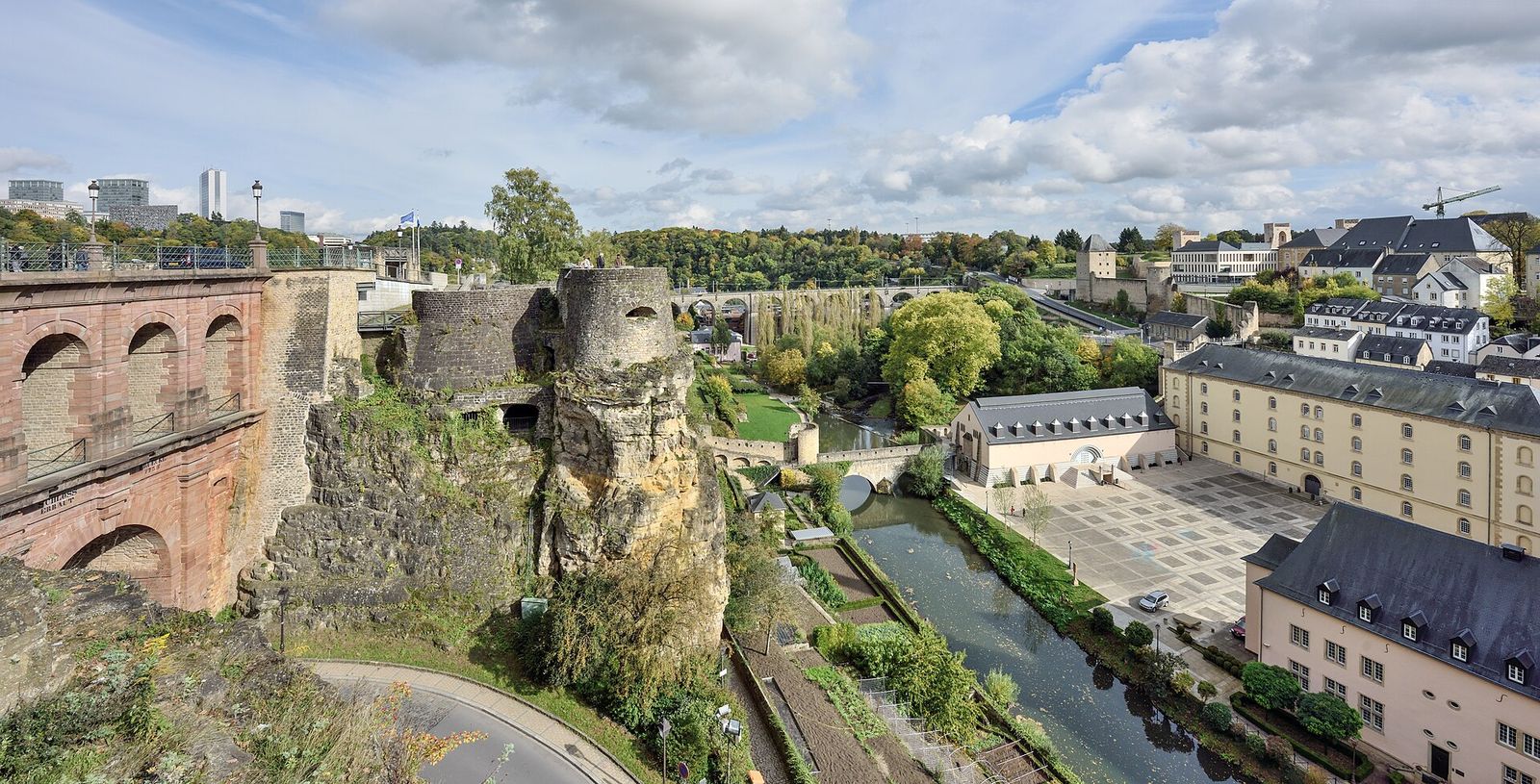
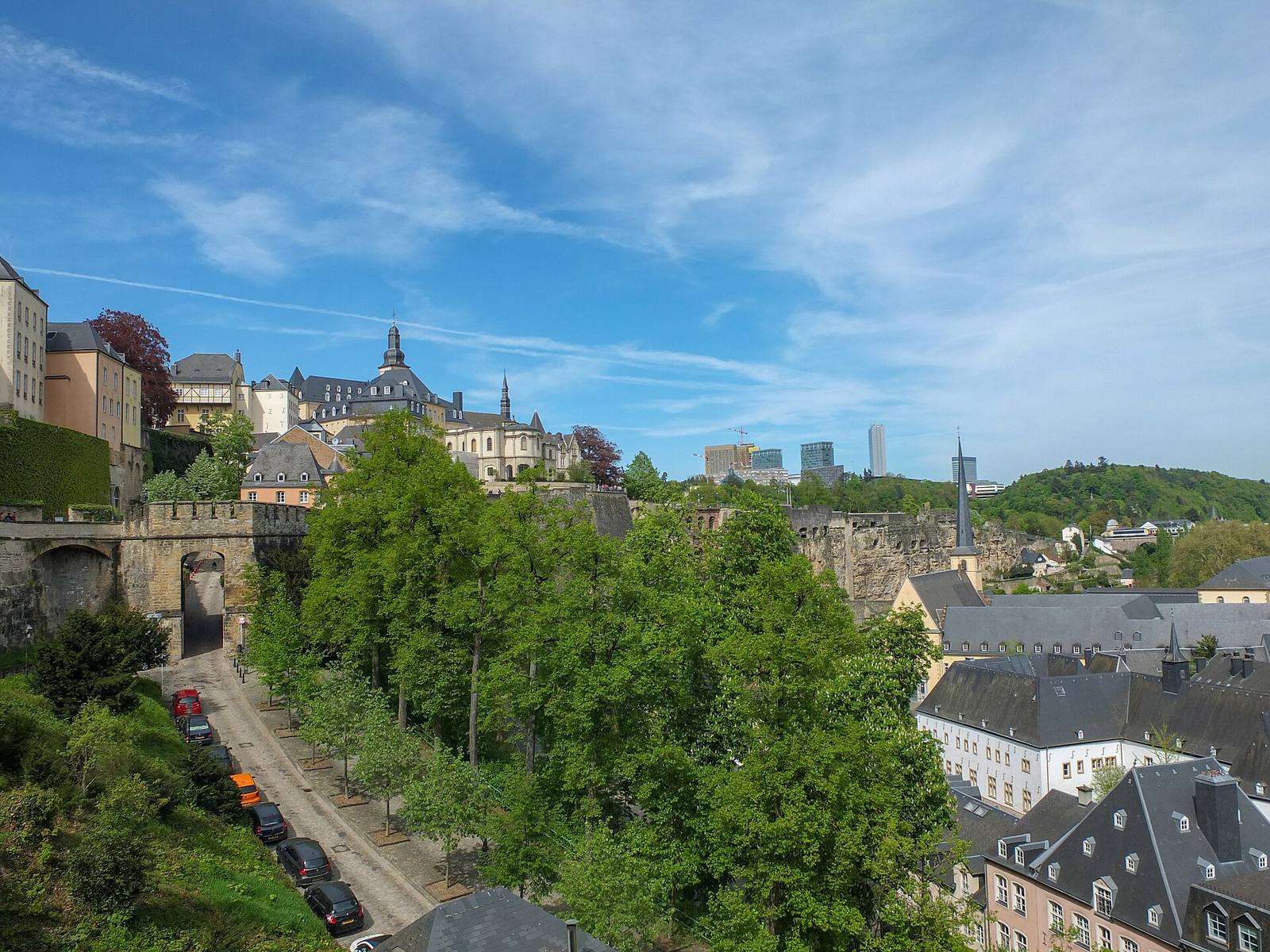
The capital is a vertical city: an old town on its plateau, fortress walls along the cliff edge, and whole quarters — the Grund, Pfaffenthal, Clausen — down in the Alzette valley below. Its old quarters and fortifications are a UNESCO World Heritage site, and the city's own machinery of lifts and its funicular exists to stitch the layers together.
The old town, the Corniche & the Grund Base — the capital & the hub
Strengths
- The Chemin de la Corniche walkway runs along the old walls above the Alzette — the city's geography lesson in a single stroll, with the Grund's lanes and bridges laid out below
- The plateau old town holds the Grand Ducal Palace and the cathedral within a few streets of each other: a capital's worth of sights at a small town's walking scale
- As a base it removes the country's only logistics question: every domestic spoke on this page is a free ride from the same station, and every border onward is a planned one
Watch out
- The layers are real exercise: plateau to valley and back is a climb however you dress it, and the lifts and funicular run on their own hours — learn them on day one, not at midnight
- The business-capital rhythm is real too: the city is at its fullest on working days, and some pleasures of the old town keep office-week hours — a weekend trip should check what's open, not assume
Best for: the single base of this whole page, and a first day spent learning the city's levels.
See Visit Luxembourg →Official site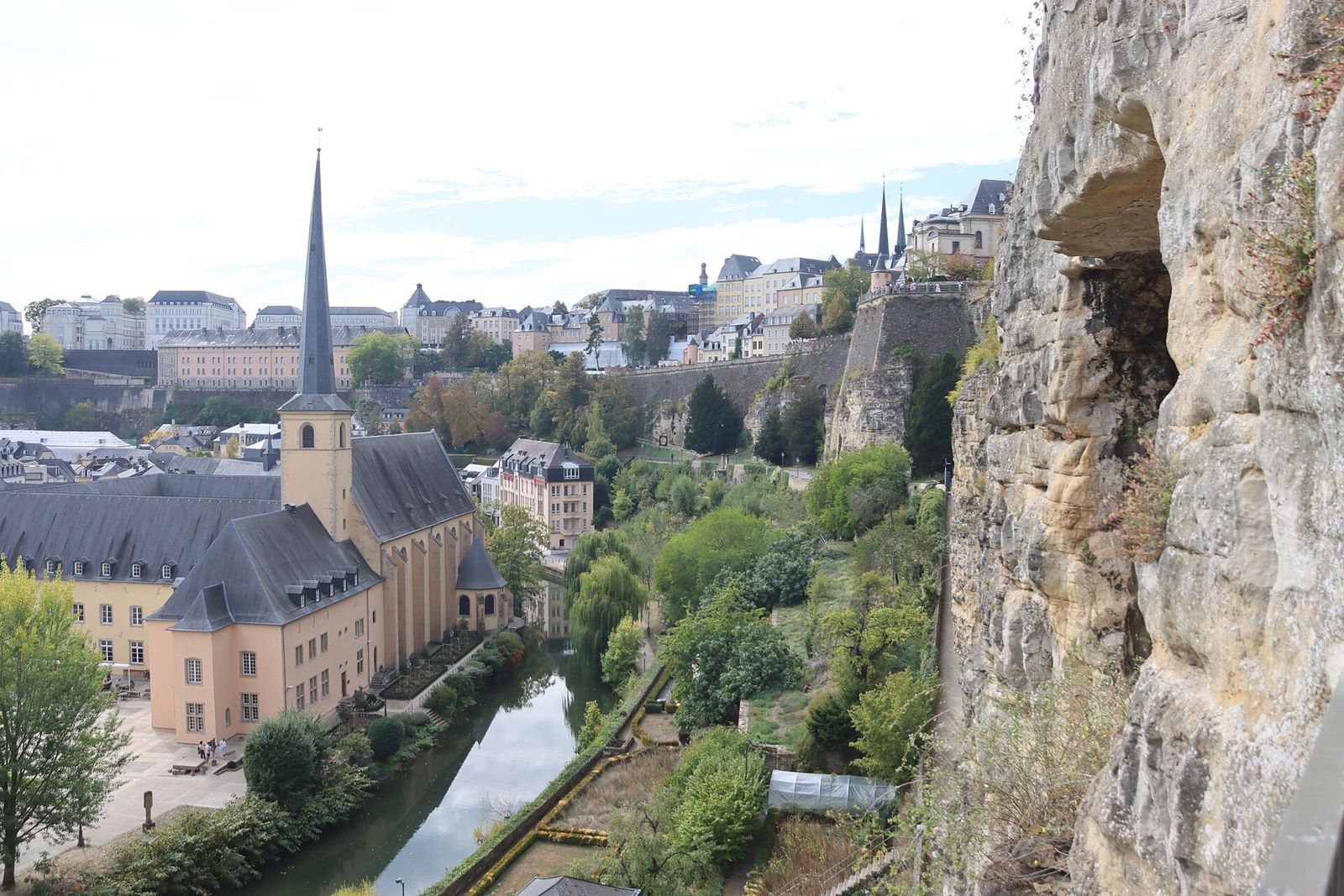
The Bock & Pétrusse Casemates Fortress — the city underground
Strengths
- The casemates are the fortress turned inside out: kilometres of galleries cut into the Bock rock beneath the old town, the reason this small city was fought over for centuries
- The two systems are different visits: the Bock Casemates are the self-guided exploration, the Pétrusse Casemates are seen with a guide — choosing between them is choosing a texture, not a quality
Watch out
- Fortress tourism is seasonal tourism: the casemates keep their own seasons and works closures, and a winter trip that assumes them open can lose its centrepiece — check the city's official pages for your dates before building the day on them
- Underground means stairs, uneven floors and cool air in summer too — the visit rewards the able and the warmly dressed
Best for: the capital's essential half-day — the history of the place, read from inside its rock.
See Visit Luxembourg →Official site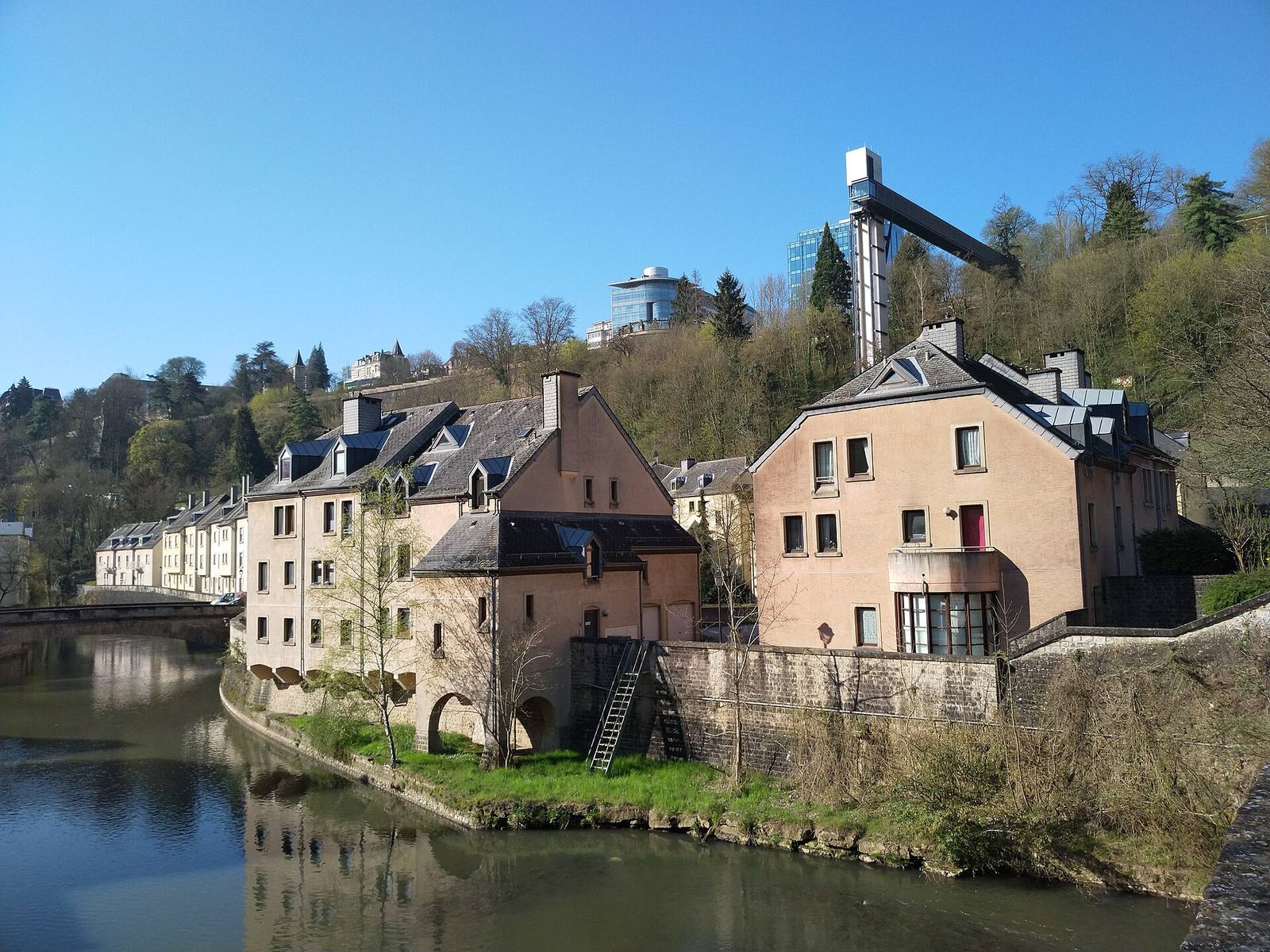
Pfaffenthal & the panoramic lift City layer — the valley quarters
Strengths
- The glass panoramic lift between the upper city and Pfaffenthal is transport that became a sight: the valley, the old town walls and the quarter below arranged in one slow descent
- Pfaffenthal and the Grund are the capital at resident speed — riverside lanes under the fortress, the city the postcards are taken from rather than of
- The Pfaffenthal side connects onward to the Kirchberg plateau by the funicular — the free network stitching the modern European quarter into the same walk
Watch out
- A lift is a machine with hours and maintenance days: it is the pleasant way between layers, not the only one, and the traveller who knows the walking alternative is never stranded by it
Best for: the afternoon the plateau lets go of you — down by lift, back up through the valley lanes.
See Visit Luxembourg →Official siteVianden & the north — the castle the free network delivers
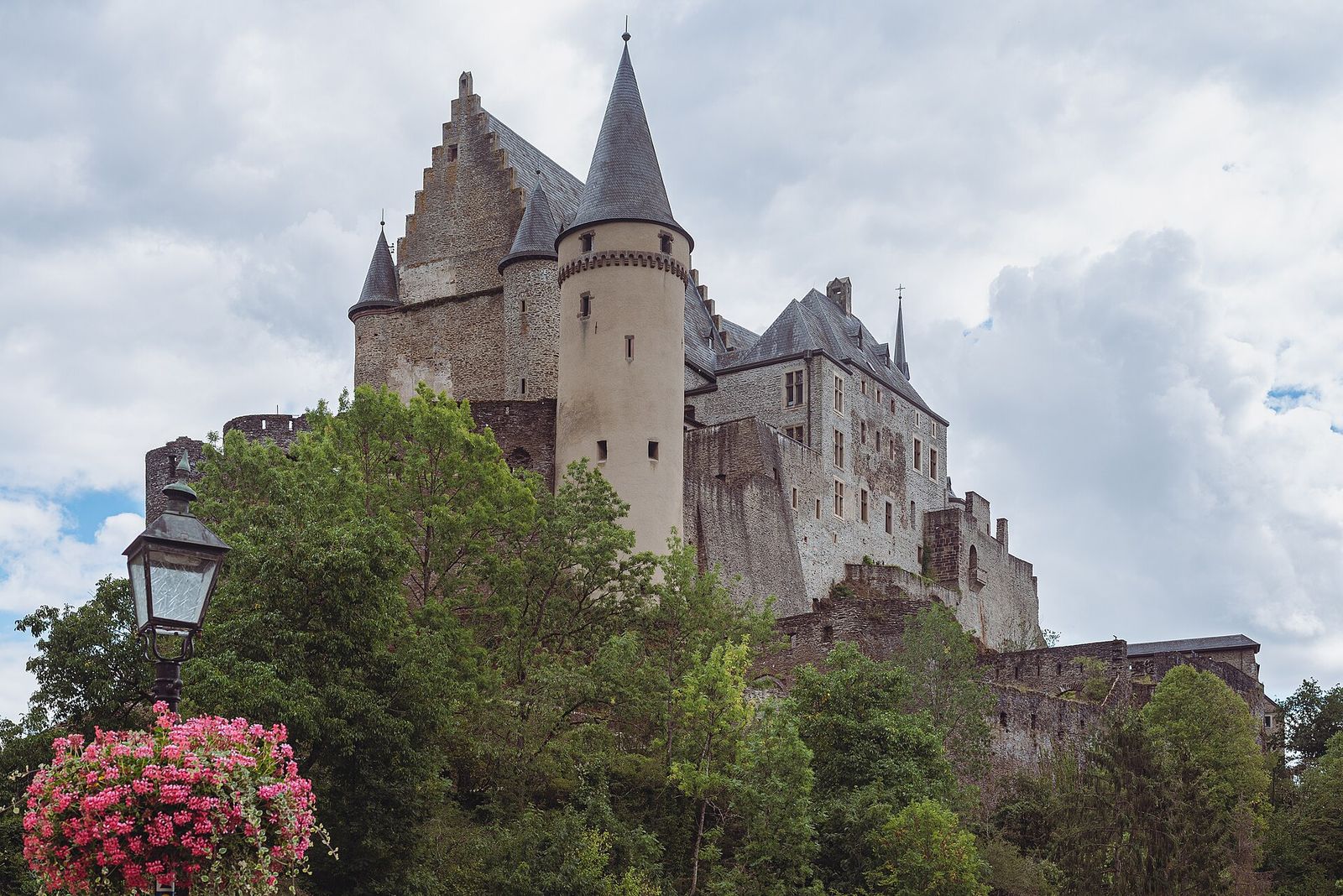
Vianden Castle Day trip — the castle above the Our
Strengths
- The country's emblematic castle: a great feudal residence rebuilt above the town of Vianden in the Our valley, on the German border side of the Éislek hills
- The journey is the free network showing off — train into the north and a connecting bus for the last leg, no ticket bought at any point inside the country
- The town below completes the day: a small border-valley settlement in the castle's shadow, with the river and the hills doing the rest
Watch out
- Vianden has no station of its own: the day is a train-and-bus chain, and its quality is decided by the connection — plan the chain whole on mobiliteit.lu, including the ride back, before you leave the capital
- The castle keeps its own opening pattern and seasons; a spontaneous ride north deserves one check of the castle's official pages before it becomes a ride to a closed gate
Best for: the essential Luxembourg day trip — the castle day the capital exists to launch.
See Visit Luxembourg →Official site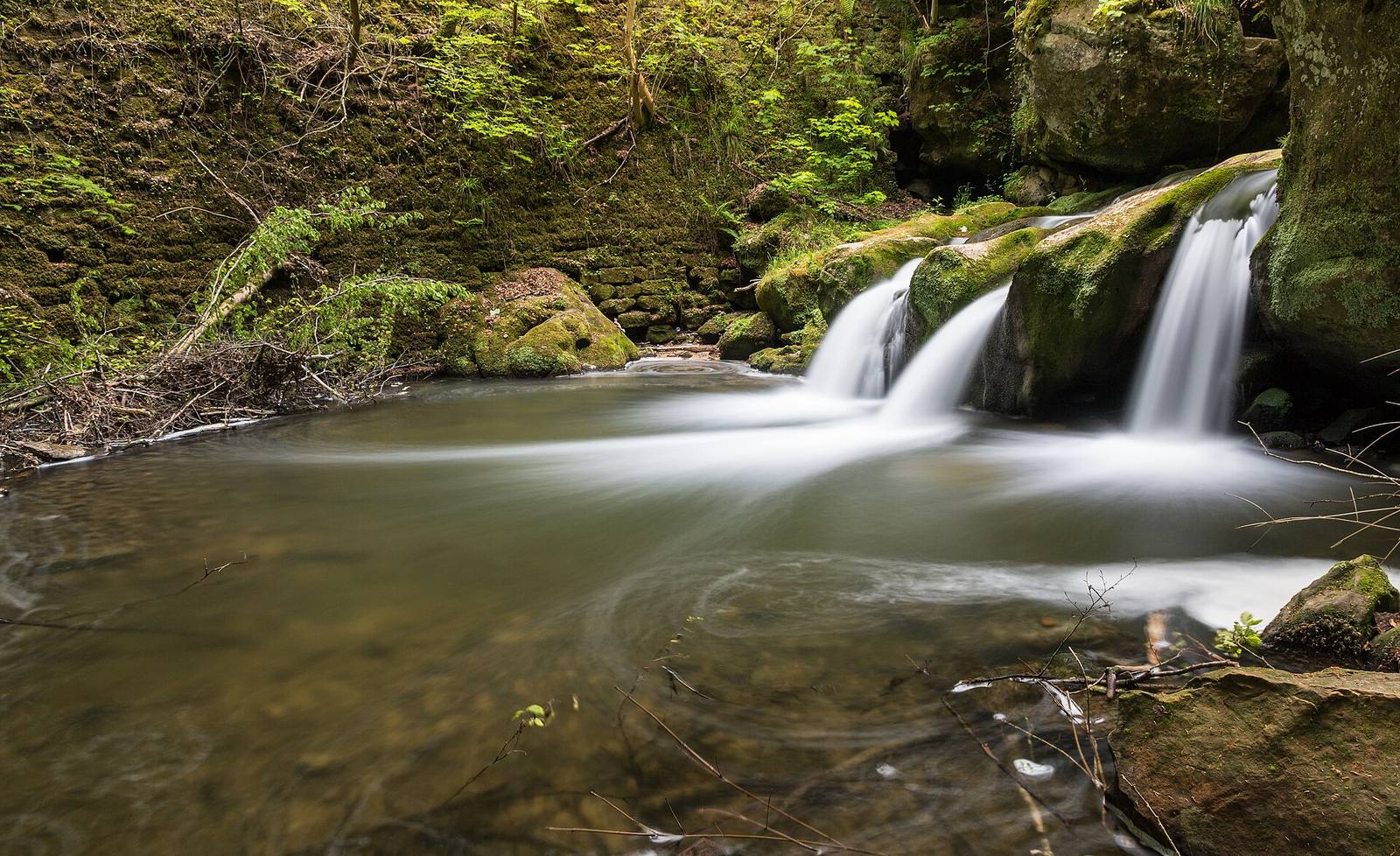
Mullerthal & the east Day trip — rock, forest & the Moselle beyond
Strengths
- The Mullerthal is Luxembourg's walking country: sandstone rock formations, wooded gorges and the Schiessentümpel waterfall as its postcard — the green counterweight to the fortress capital
- Echternach, the country's oldest town, anchors the region — the natural base for the trails and the place the buses aim at
- Beyond it the Moselle valley runs along the German border through wine villages to Schengen, the village whose name the border-free agreement carries — geography and history in one valley
Watch out
- This is bus-and-foot country, not rail country: trailheads are reached by planning bus legs on mobiliteit.lu, and a trail day built on capital habits — just turn up — can strand its afternoon
- Rock trails are weather's hostage in a way a museum day is not: wet sandstone and gorge paths deserve a forecast check and honest footwear
Best for: the walking day — proof that the free network reaches trailheads, not just towns.
See Visit Luxembourg →Official siteThe three borders — how Luxembourg folds into a bigger trip
Luxembourg rarely sits alone in an itinerary, and honestly it rarely should: it is a small country ringed by three famous neighbours, with a German Roman city, a French cathedral city and Belgium's Ardennes edge all sitting at day-trip distance. The judgement is not whether to combine — it is which combination your days actually hold.
Tours — what a guide adds in a free-transport country
A Luxembourg tour cannot sell you transport — the state already gives it away. What it can sell is interpretation: a guide inside the casemates' centuries, a structured day across the capital's layers, or the castle country folded into one accompanied route. Judge a listing on the guiding, not the getting there.
Guided tours of the same sights are a different product from the free network above. Judge a listing on what it actually includes — in Luxembourg, that should be the guiding itself, since the ride was never the cost.
Browse Luxembourg tours on Viator →Affiliate link — you pay the same Browse Luxembourg tours on GetYourGuide →Affiliate link — you pay the sameWhere to sleep — one capital base
The practical layer — how Luxembourg differs from a US trip
Which Luxembourg is yours?
Decisions that actually matter
Is public transport in Luxembourg really free for tourists?
Yes — the official tariffs page on mobiliteit.lu states that travelling on public transport in Luxembourg is free and that you do not need a ticket to board the tram, the national buses or the trains, with first class the named exception. Nothing in the official structure limits that to residents: you board second class, sit down and ride. The two edges are first class, which is paid, and the border, beyond which a valid ticket is required.
What exactly is not free?
Two things. First-class travel on CFL trains, which has its own paid tickets — and note the official warning that a domestic first-class ticket is not valid on international trains. And every part of a journey beyond Luxembourg's borders: cross-border buses run on RegioZone tickets, cross-border trains on international tickets, and you must be able to show the ticket from the last stop inside Luxembourg onward.
Do I need a rail pass for Luxembourg?
For travel inside Luxembourg, a pass buys you what is already free — judge any pass purely on the international legs of a wider trip. If your route is Luxembourg plus Trier, or Luxembourg on the way between France and Belgium, price the individual cross-border tickets first; the pass has to beat those, with the domestic days contributing nothing to its value.
How many days does Luxembourg need?
Two full days cover the capital's layers and Vianden honestly; a third buys the Mullerthal or a border day. What Luxembourg does not reward is the half-day drive-through: the country's pleasures — the valley quarters, the casemates, the castle chain of free rides north — are all things a few hours cannot hold.
Can I visit Vianden without a car?
Yes — that is the free network's showcase day. Vianden has no station of its own, so the journey is a train ride north and a connecting bus for the final leg, planned whole on mobiliteit.lu, with the return chain checked before you leave. Inside Luxembourg, every leg of it is ticketless; the planning, not the paying, is the work.
Prices and terms change often — the booking site is the final word. Timetables, fare conditions and the casemates' arrangements change by season and by day; check the operator's own page for your date. Facts on this page checked against providers' official pages, November 2026.


