
🇱🇻 Latvia, where Riga holds the middle of the Baltics
Latvia is the middle country of the Baltic chain, and Riga is its whole argument in one city: a medieval old town on the Daugava, the densest streets of Art Nouveau in Europe a short walk beyond it, and a great market in old airship hangars beside the station where every journey starts. The Latvian problem is not finding things to do. It is time layers — a railway line to the future being built through the middle of the city while the old broad-gauge trains still do all the work, a city ticket that stops at the city boundary, and day trips to sea and castle valley that each deserve more of the day than travellers tend to give them.
The lay of the land — one capital, two easy escapes, one long chain
Almost every Latvian itinerary is built from the same pieces. Riga's central station, bus station and Central Market stand together at the old town's southern edge, and the country fans out from that one forecourt — west to the sea at Jūrmala, north-east to the Gauja valley at Sigulda, and south and north on the Baltic chain toward Vilnius and Tallinn.
| Layer | What it is | How booking works | Watch out |
|---|---|---|---|
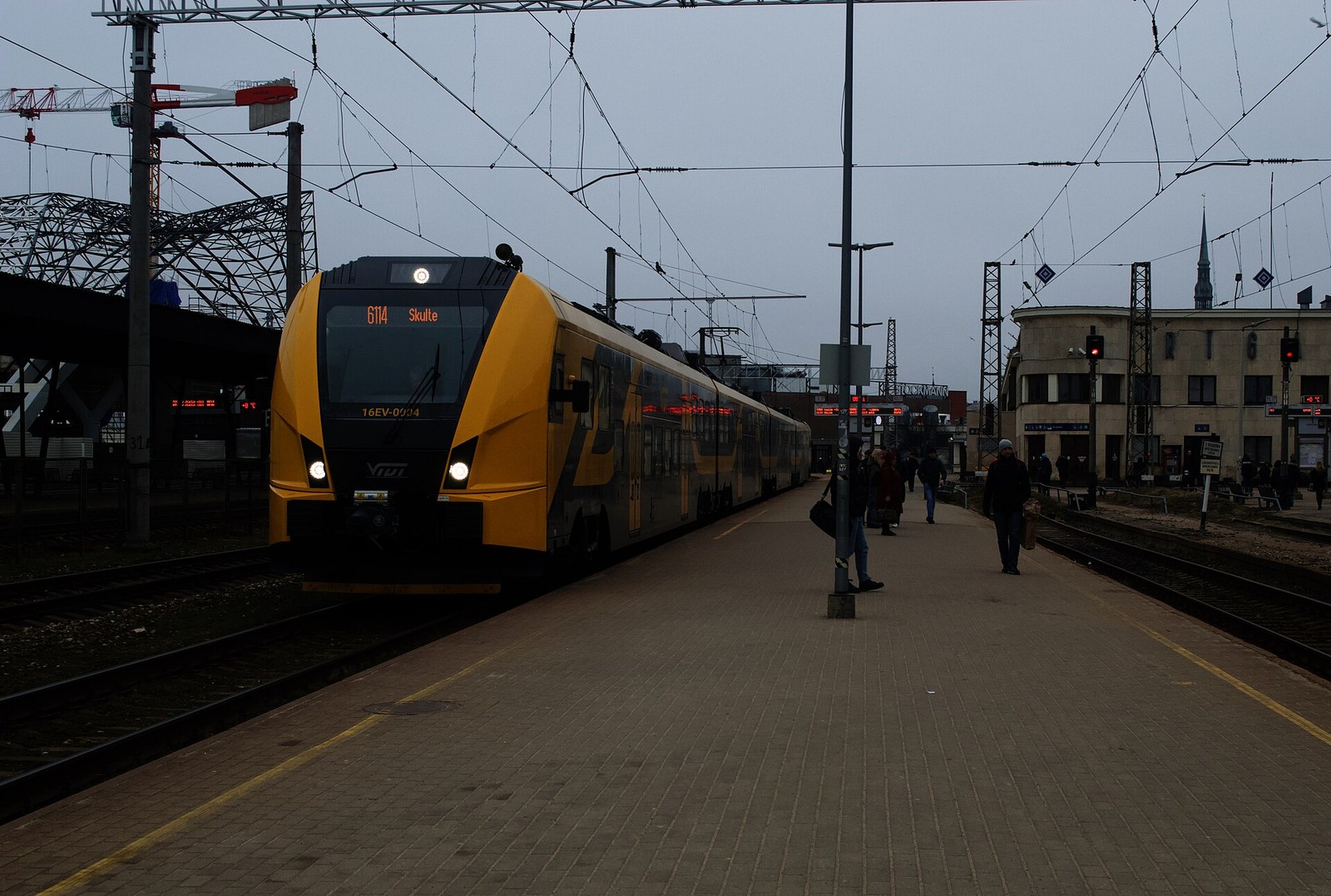
| Vivi trains | The national passenger railway — AS Pasažieru vilciens, branded Vivi — radiating from Riga Central Station on electric lines toward Jūrmala, Jelgava and Aizkraukle, and diesel lines toward Sigulda and beyond | One official home: vivi.lv and its app, plus station counters | The under-construction Rail Baltica is not this railway: today's trains are the existing broad-gauge network, and cross-border times move with works phases |
| Rīgas satiksme city transport | Riga's trams, trolleybuses and buses on one e-ticket — the e-talons — registered on a reader each time you board, or bought and validated by phone app | E-tickets come from kiosks, machines and the official code-ticket app; you validate on every vehicle, every journey | The city e-ticket does not work on Vivi trains: Riga's commonest ticket mistake is carrying the right ticket for the wrong layer |
| Long-distance buses | The road layer that carries the Baltic chain in practice — coaches from Riga's international bus terminal to Tallinn, Vilnius and Warsaw, with Lux Express the best-known Baltic operator | Sold by the operators; the bus terminal stands beside the central station and the market | On the Riga–Tallinn and Riga–Vilnius legs the bus is a first-class citizen, not a fallback: compare its departures against the train's before choosing |
| Riga Airport (RIX) | The country's international gateway, west of the city across the Daugava | No operating airport railway: the connection is by road — city bus, taxi or pre-booked transfer; the Rail Baltica airport station belongs to the construction project, not to today's trip | Do not plan an airport train. There isn't one yet, however prominently the new station features in the project's pictures |
The railway today — Vivi, and the line being built beside it
Vivi — Latvian Railways National rail — one operator, one hub
Strengths
- One operator and one official booking home for the whole country: the lines out of Riga Central Station cover both of this page's day trips — the electric line west through Jūrmala and the diesel line north-east to Sigulda
- The station's position is the trip's convenience: old town, market and bus terminal all stand within the same few streets, so train days and bus days start from the same door
- North and south, the existing lines still plug Latvia into the Baltic chain — Valga for Estonia, the onward line for Lithuania — as working, bookable trains, whatever the future line promises
Watch out
- The spectacular new station rising at Riga Central belongs to Rail Baltica's future: following its pictures instead of today's departure boards is the scenic route to a missed train
- Cross-border times on the existing lines shift with construction phases elsewhere on the route — the planner for your date is the only timetable worth trusting
- City tickets stop at the city boundary: a Riga e-ticket is not a train ticket, and the Jūrmala train wants its own
Best for: both Riga day trips and the honest, working version of the Baltic chain — with the coach compared departure by departure on the long legs.
See Vivi →Official site See Rail Baltica project →Official siteRail passes (Eurail) Pass — read the structure first
Strengths
- One pass across many trains and borders — the natural shape for a long European rail trip that reaches the Baltics in its middle
- Sold by Eurail itself; we link the official site and label it as such
Watch out
- Latvia tests a pass hard: short domestic hops, a strong coach network on the long legs and cross-border trains at a daily rhythm are the shape a pass finds hardest to beat against ordinary singles
- We have no affiliate arrangement here and do not summarise pass prices or terms we have not verified — the official terms are the comparison
Best for: trips where Latvia is one country among many — judge it on the whole route.
Riga — two old towns for the price of one walk
Riga gives a traveller two historic cities in a single morning's walk. South of the boulevards lies Vecrīga, the medieval old town inside the UNESCO-listed historic centre inscribed in 1997. North-east of it, in the quiet streets beyond the Freedom Monument, stands the second city: whole blocks of Art Nouveau apartment houses, built in one feverish decade and never since diluted.
The Art Nouveau district & Alberta Street The signature walk — the Quiet Centre
Strengths
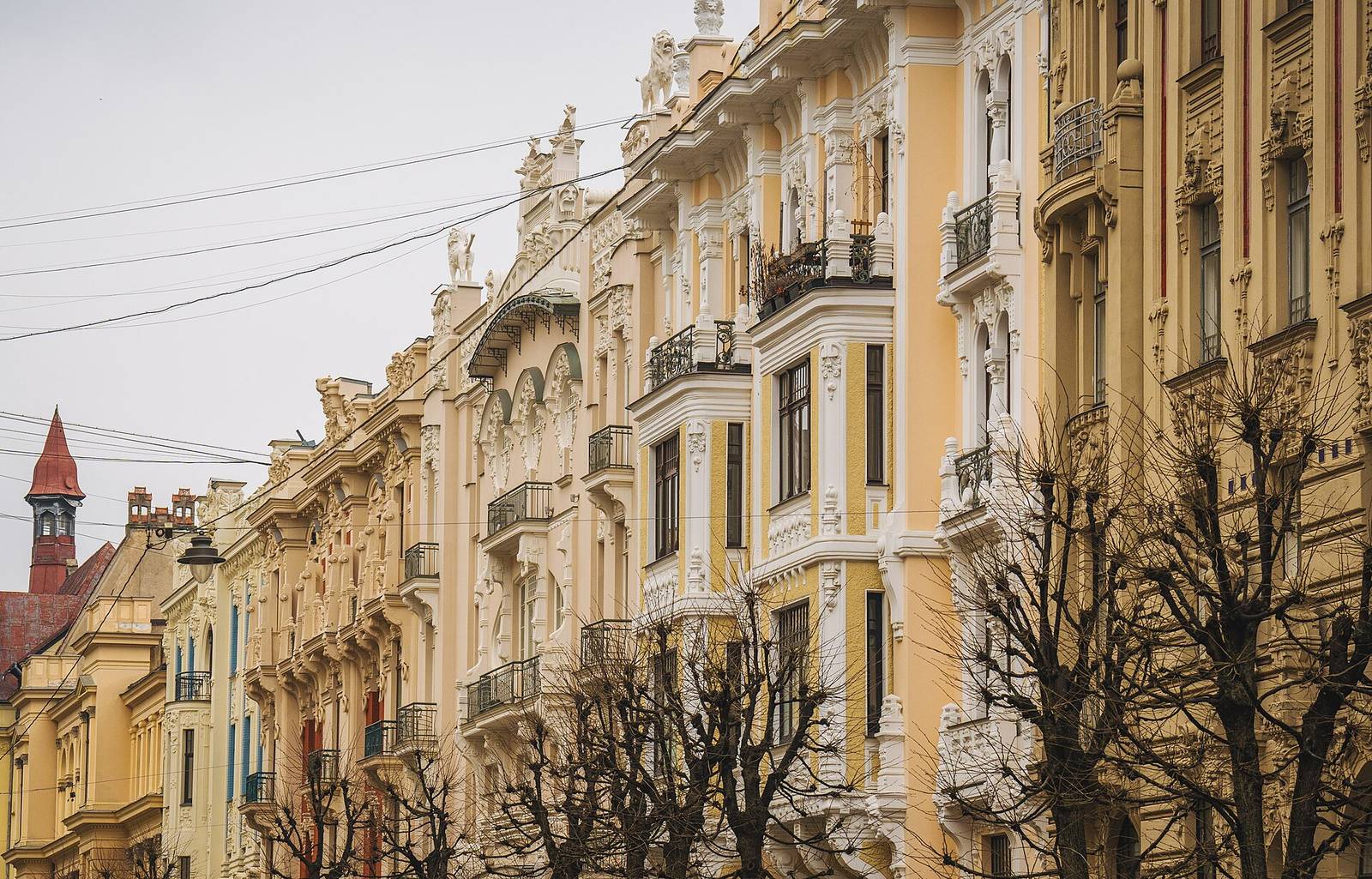
- Alberta Street is the concentrated essence: a short street of theatrical facades — sculpted faces, masks and mythical figures, many of them the work of Mikhail Eisenstein — with Elizabetes Street and the surrounding Quiet Centre continuing the style block after block in calmer registers
- The Riga Art Nouveau Centre, in a restored period apartment on Alberta Street itself, supplies the interior the facades promise: how life looked behind the ornament, a short walk from the old town's edge
- The district is a walk, not an excursion: it begins minutes from the Freedom Monument, costs nothing to read from the street, and pairs with the old town as one continuous morning
Watch out
- These are homes and offices, not a museum quarter: the facades are the exhibit and the street is the gallery — admire from the pavement, and let the museum be the one interior you plan
- Alberta Street alone is the postcard version; stopping there misses most of the collection, which continues through the neighbouring streets — give the district its own half-day, looking up
Best for: the single most Riga thing there is — scheduled early, walked slowly, and finished inside the museum apartment.
See Riga Art Nouveau Centre →Official siteVecrīga — the medieval old town Base — the capital & the hub
Strengths
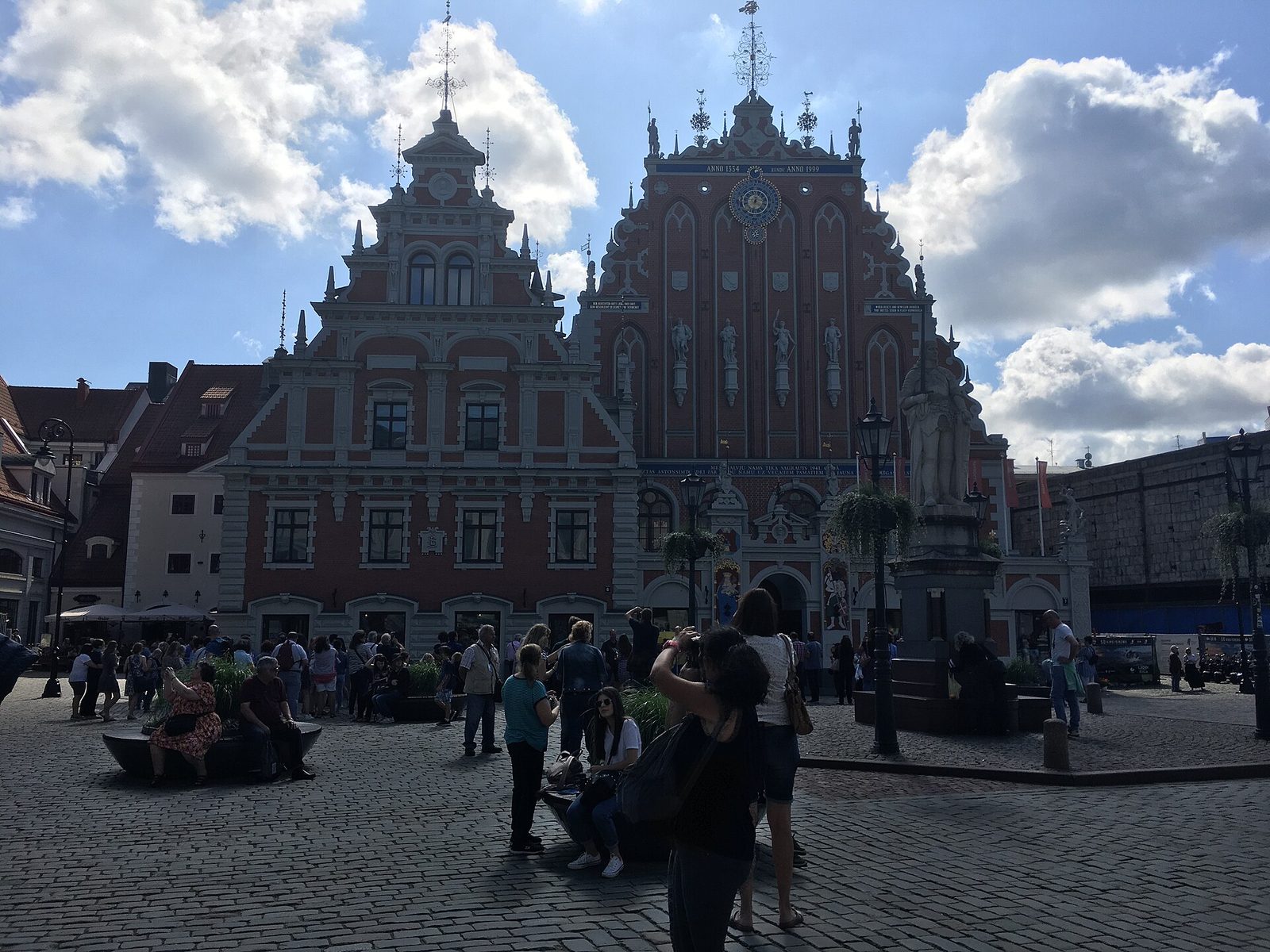
- The old town's anchors form one walkable knot: Town Hall Square with the rebuilt House of the Black Heads, St Peter's Church, the great Dome Cathedral, and the Daugava embankment closing the circuit
- As a base it removes Latvia's only logistics problem: station, bus terminal and market stand at its southern edge, and the Art Nouveau district at its northern one — the whole Riga argument fits inside a walk
- It layers well: Hanseatic lanes below, the castle and the river beside them, and the boulevard ring with the Freedom Monument as the hinge between the medieval city and the Art Nouveau one
Watch out
- The old town is the crowd's first address in season: its squares reward the early start, and its best hours are the ones before the day groups assemble
- Riga's two halves compete for the same morning: travellers who give the old town the whole day tend to rush the Art Nouveau district, which is the half no other Baltic capital can offer
Best for: the base of this whole page — and the first half of Riga's essential double act.
See LiveRiga →Official siteThe Central Market — breakfast inside an airship hangar
Riga Central Market Sight & larder — the five pavilions
Strengths
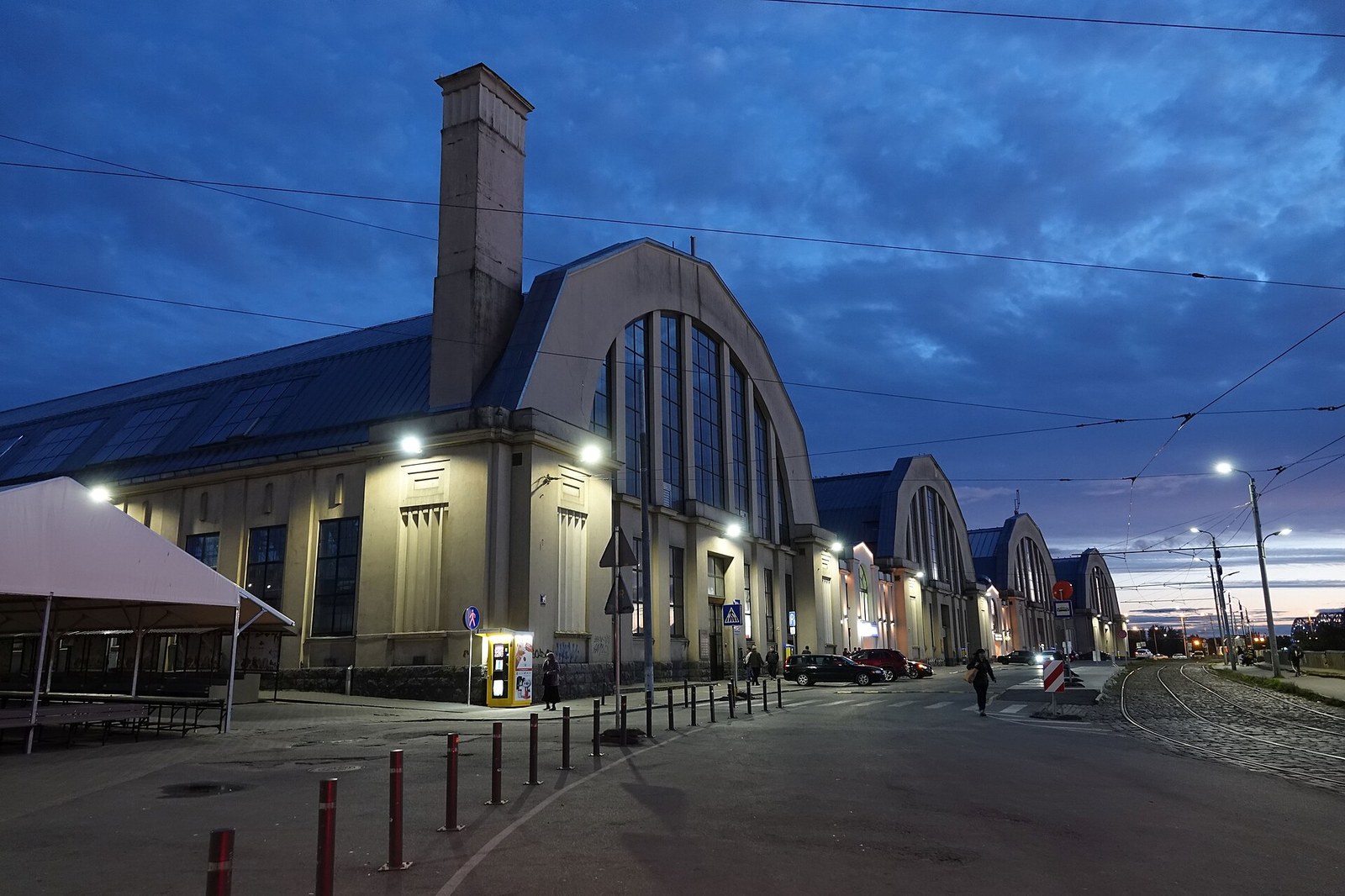
- The building is the sight: five great market pavilions built from reused First World War airship-hangar structures, opened as a market in 1930 and described by the city's own tourism pages as, at its opening, among the largest and most modern markets in Europe
- It is a working market first and an attraction second — the everyday food culture of Latvia under those arched roofs, in the middle of the UNESCO-listed historic centre's territory
- Its position is a traveller's gift: beside the central station and the bus terminal, it is the natural first stop off a train and the natural last stop before one — provisions, breakfast and orientation in a single hall-hop
Watch out
- Pavilions are refurbished and rearranged in phases, so the hall a guidebook assigns to a favourite stall may not hold it this season — treat the market as a place to wander, not a directory to follow
- It rewards hunger and punishes luggage: go before the day trip, not after it, and let the station lockers carry what the market adds to your bags
Best for: the arrival morning — off the train, into the market, and into Riga understanding its food before its monuments.
See the Central Market on LiveRiga →Official siteThe two escapes — the sea, and the castle valley
Riga's day trips divide as cleanly as its old towns. West, the electric line runs the length of Jūrmala's beach city to the white sand and wooden villas. North-east, the diesel line climbs to Sigulda, where three castles face each other across the Gauja valley at the edge of Latvia's oldest national park. Each is a half-day by the clock and a full day by the heart.
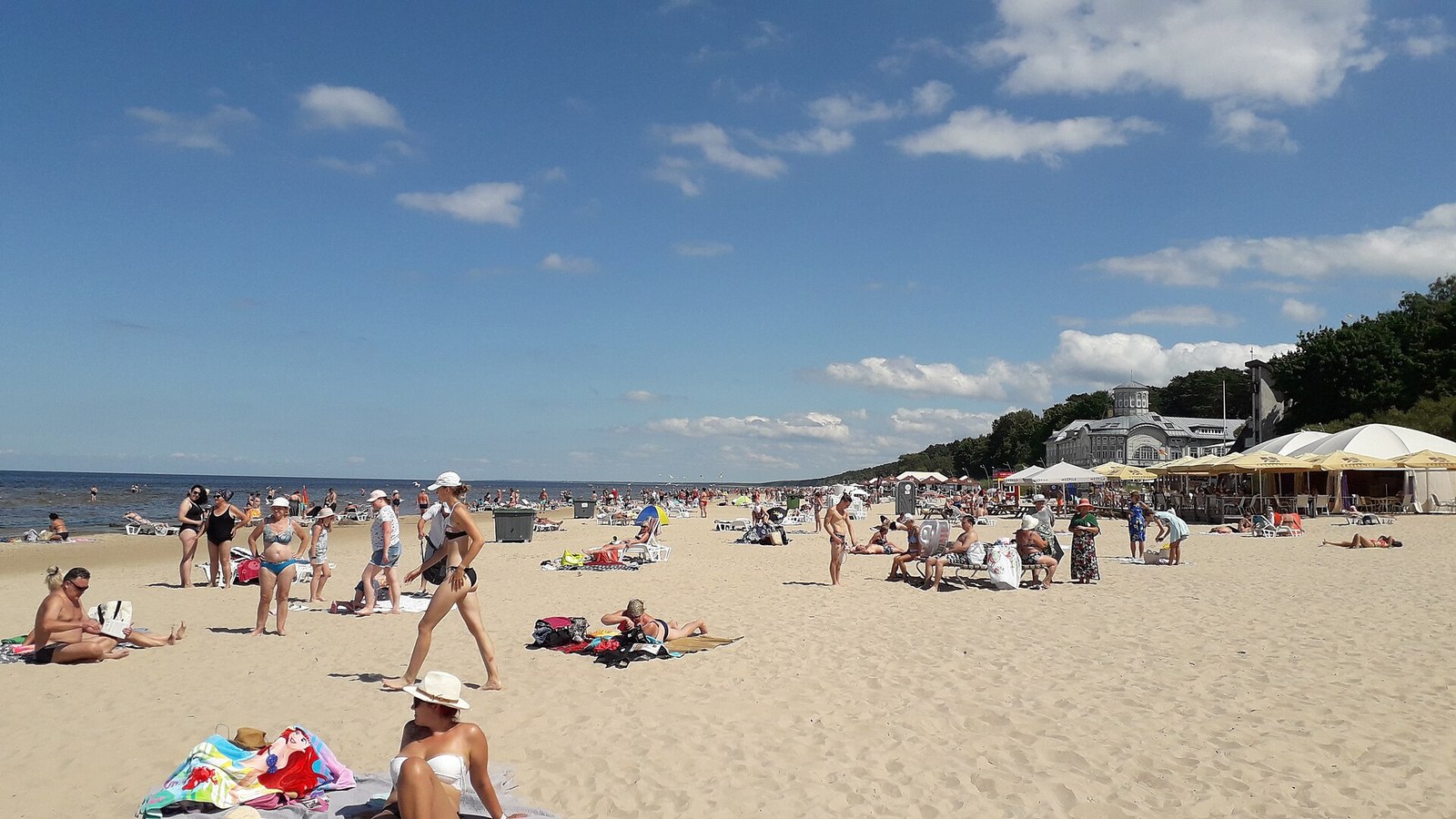
Jūrmala — the beach city on one railway line Day trip — the sea
Strengths
- The railway is the resort's spine: the line runs the whole length of the city with a string of stations inside it, and Majori — its lively centre — drops you a short walk from the main street and the sand
- The product is simple and complete: a long white-sand Baltic beach, pine forest behind it, and streets of wooden summer architecture between the station and the shore
- It scales to the weather and the mood: a swim day, a walk-the-whole-beach day, or simply Riga's sea air taken as a half-day reset
Watch out
- Jūrmala is a city stretched along a coast, not a single resort: the station you choose decides the beach you get, so choose the stop — Majori for the centre — before boarding, not after
- Your Riga city ticket does not ride this train: the Jūrmala line is Vivi's, with its own ticket, bought before you travel
Best for: the sea day — the easiest escape on this page, and the one that asks nothing but a train ticket and a towel.
See Visit Jūrmala →Official site See Vivi →Official site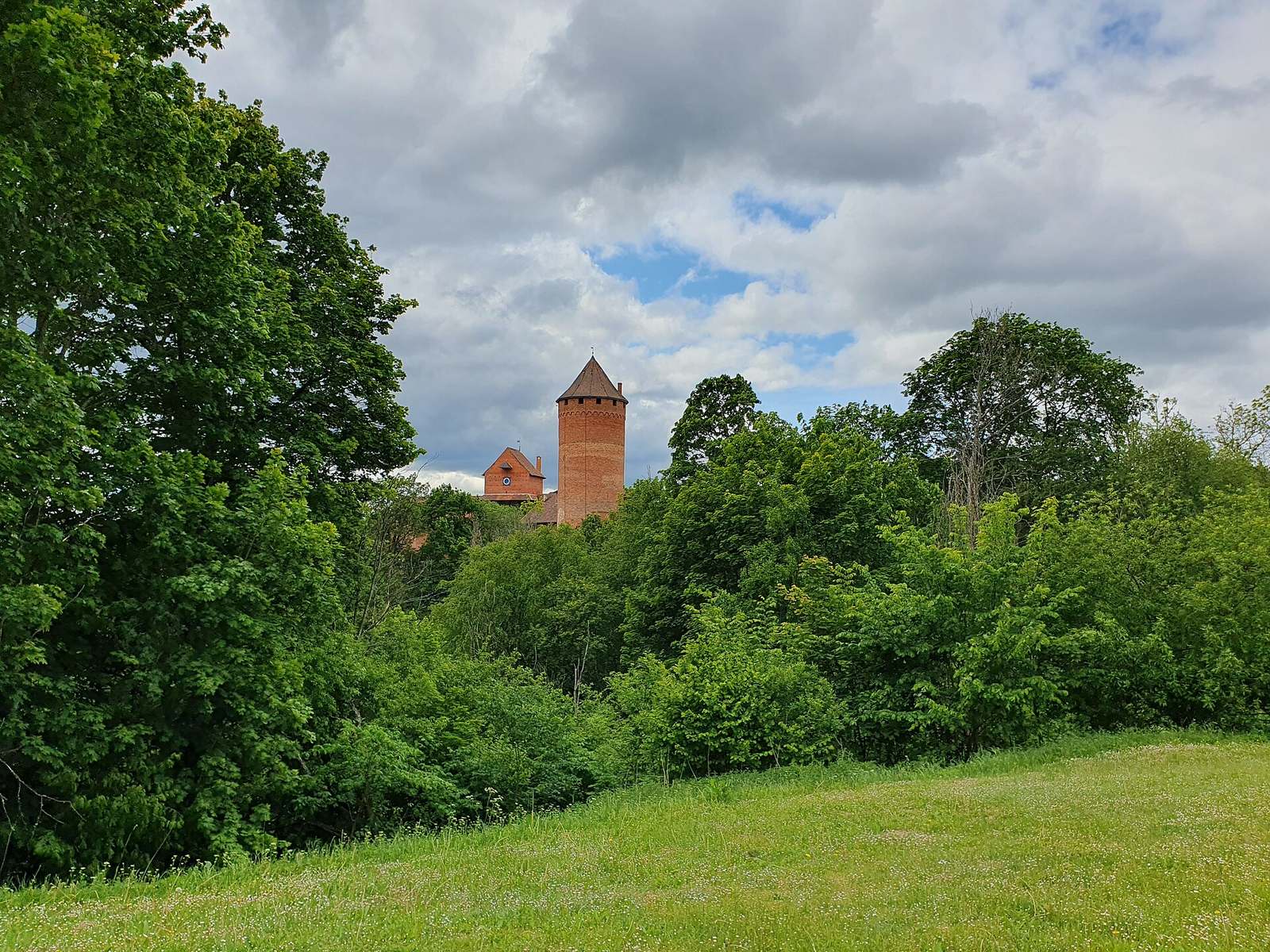
Sigulda & Gauja National Park Day trip — castles over the valley
Strengths
- The composition is unforgettable: Sigulda Castle on one side of the Gauja valley, Turaida Castle — raised in 1214 and now the centre of its museum reserve — on the other, Krimulda between them, and the river winding through Latvia's oldest and largest national park, established in 1973
- The park layers nature with an unusual density of history — the official count runs to hundreds of cultural and historical monuments among its forests, sandstone outcrops and caves, Gutman's Cave the best known of them
- It is a real train day trip: Vivi's line from Riga Central to Sigulda puts the valley, the castles and the park trails inside one unhurried return journey
Watch out
- The sights are spread across a valley, not a square: station, castles, cave and cable-car side trips involve walking and gradients, so the day rewards an early train and honest shoes
- Sigulda competes with Jūrmala for the same free day on short trips — castles and valley or sand and sea is a genuine fork, and trying to halve both halves neither
Best for: the landscape day — Latvia's nature and its medieval frontier in a single valley.
See Gauja National Park →Official siteTickets & tours — the Riga judgements
Riga has no single pass question of the kind other capitals pose, so this page makes the honest version of the judgement instead: inside the city, the e-talons' time windows do the work a pass would do; beyond the city, no city product follows you. What remains is the tours question — and in Riga it is really a Sigulda question, because the valley is the one sight where transport, walking and entrances bundle into a product worth comparing.
Guided tours of the same sights are a different product from the trains and tickets above. Judge a listing on what it actually includes — a Sigulda tour's transport and entrances may be the part you are paying for, or the part you already have.
Browse Latvia tours on Viator →Affiliate link — you pay the same Browse Latvia tours on GetYourGuide →Affiliate link — you pay the sameWhere to sleep — one base, honestly held
The practical layer — how Latvia differs from a US trip
Which Latvia is yours?
Decisions that actually matter
Can I ride Rail Baltica yet?
No — and this is the single most useful sentence on this page. Rail Baltica is a construction project: contracts signed, works active in Latvia's south, a new Riga Central Station taking shape, and no passenger trains, tickets or confirmed opening date anywhere on it. Every train in this guide is the existing Vivi network. Enjoy watching the future being built; travel on the present.
Does my Riga city ticket work on the train to Jūrmala?
No. The e-talons belongs to Rīgas satiksme's trams, trolleybuses and buses inside the city. The Jūrmala train is Vivi's, and it wants its own ticket, bought at the station, in the app or by the operator's other channels before you ride. The two systems share a city and nothing else.
Jūrmala or Sigulda, if I only have one day?
Jūrmala if the day should restore you — a short electric-train ride, a chosen station, and the sea. Sigulda if the day should show you something — castles across a river valley at the edge of the national park, earned with walking. Neither is the consolation prize; they are different countries wearing one country's name.
Train or bus between Riga and Tallinn or Vilnius?
Compare departures, not loyalties. The trains make the chain a railway journey through Valga or south toward Lithuania, at a daily, works-sensitive rhythm; the coaches — Lux Express the best known — run the same capitals by road more often. On a fixed itinerary the coach usually fits; on a railway journey the train is the point. Verify the operator's own planner for your date in both cases.
How do I get from Riga Airport into the city?
By road — there is no airport railway station in service. The city bus covers the public version, taxis the direct one, and a pre-booked transfer removes the thinking for early or late arrivals. The station you may have seen in Rail Baltica renderings is part of the construction project; it will be good news on some future trip, and it is not part of this one.
Prices and terms change often — the booking site is the final word. Timetables, fare conditions and construction phases change by season and by day; check the operator's own page for your date. Facts on this page checked against providers' official pages, November 2026.


