
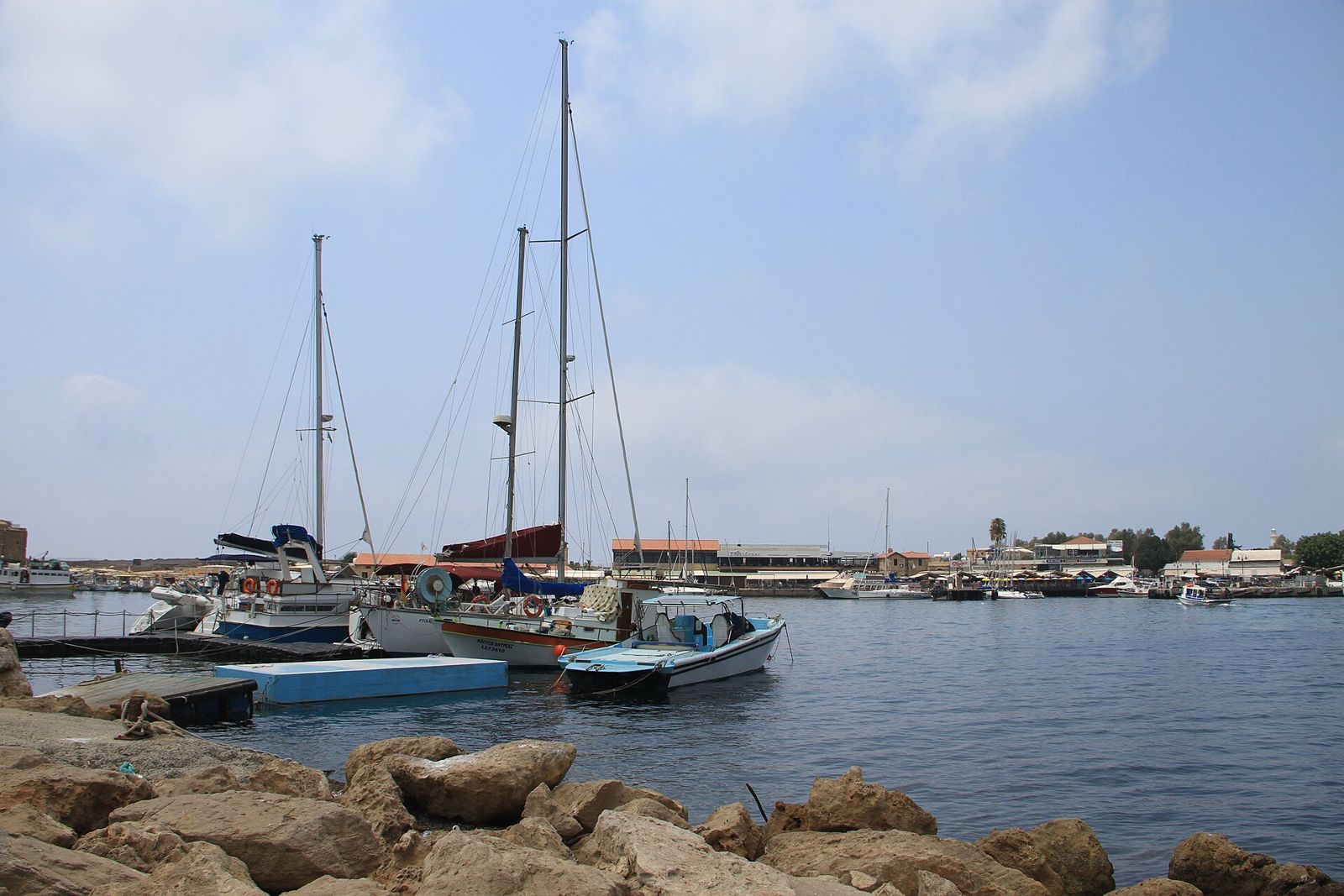
🇨🇾 Cyprus, an island with no railway — buses, the open road and one careful map
Cyprus deletes the first page of the usual European playbook: there is no railway here, no metro, no tram — every journey is a road journey. What replaces the train is a tidy structure once you see it whole: one intercity bus company linking the main towns, a different bus operator inside each district under one shared bus-card system, two airports on the south coast, and a rental car that quietly becomes essential the moment your plans touch the Troodos mountains or the quieter coves. The island's other structuring fact is its division: a United Nations buffer zone crosses Cyprus and its capital, Nicosia, and moving between south and north is not a matter of opinion or habit but of designated crossing points and checks you make before you set out. This page treats both honestly — the buses and the car as the whole transport system, and the crossing as a checklist, not a surprise.
The lay of the land — everything moves by road
A Cypriot itinerary is built from four road layers and nothing else. Learn which layer owns which journey — intercity coach, district bus, your own wheels, or the airport road — and the island becomes simple.
| Layer | What it is | How booking works | Watch out |
|---|---|---|---|
| Intercity buses | The island's spine: one company, Intercity Buses, linking Nicosia, Limassol, Larnaca and Paphos, with services onward to Ayia Napa and Paralimni | One official home: intercity-buses.com, with routes and timetables; tickets through the company's own channels | Frequencies thin out in the evenings and on Sundays and holidays — the last return of the day is a fact to check, not to assume |
| District buses & the Motion card | City and district networks run by separate operators — Cyprus Public Transport in Nicosia and Larnaca, EMEL in Limassol, OSYPA in Paphos, OSEA in the Famagusta district — under one rechargeable Motion Bus Card system | Cards and period tickets through the Motion system and the operators; validate on boarding, every trip | The operator changes at the district boundary even when the card does not — route planning means checking the right operator's pages for each town |
| Rental car & driving | The layer that completes the map: motorways link the south-coast cities, and ordinary roads reach the Troodos villages, the Akamas edge and the quiet beaches buses rarely serve | Booked with the rental companies; the contract — not habit — decides where the car may go | Cyprus drives on the left, in right-hand-drive cars, and a standard southern rental's insurance position north of the dividing line is a check to make in advance, never at the crossing |
| Larnaca & Paphos airports | The island's two international gateways, both on the south coast — Larnaca the larger hub in the east, Paphos serving the west | No rail and no domestic flights: the onward connection is bus, airport shuttle, taxi or rental car | Which airport you choose is a base decision in disguise — Larnaca for the east and the capital, Paphos for the west and its archaeology |
The bus system — one spine, five local networks
Intercity Buses Intercity coaches — the island's spine
Strengths
- One company and one official site for every town-to-town journey: the route map you learn for Nicosia to Limassol is the same system that takes you to Paphos or Ayia Napa
- The network matches the island's shape — a south-coast chain of cities with the capital inland — so bases connect without backtracking through a hub
- Air-conditioned coaches on set routes make a no-car Cyprus genuinely workable between the main towns
Watch out
- It is a daytime system, not a night one: evening, Sunday and holiday services are thinner, and a beach day that ends after the last return becomes a taxi negotiation
- The spine serves towns, not trailheads: Troodos villages, scattered coves and archaeological sites outside the towns still need a local bus, a tour or a car
- Timetables are seasonal in character — the official site's table for your date is the only version worth planning on
Best for: town-to-town movement on a base-based trip — the default for Nicosia, Limassol, Larnaca, Paphos and the Ayia Napa corridor.
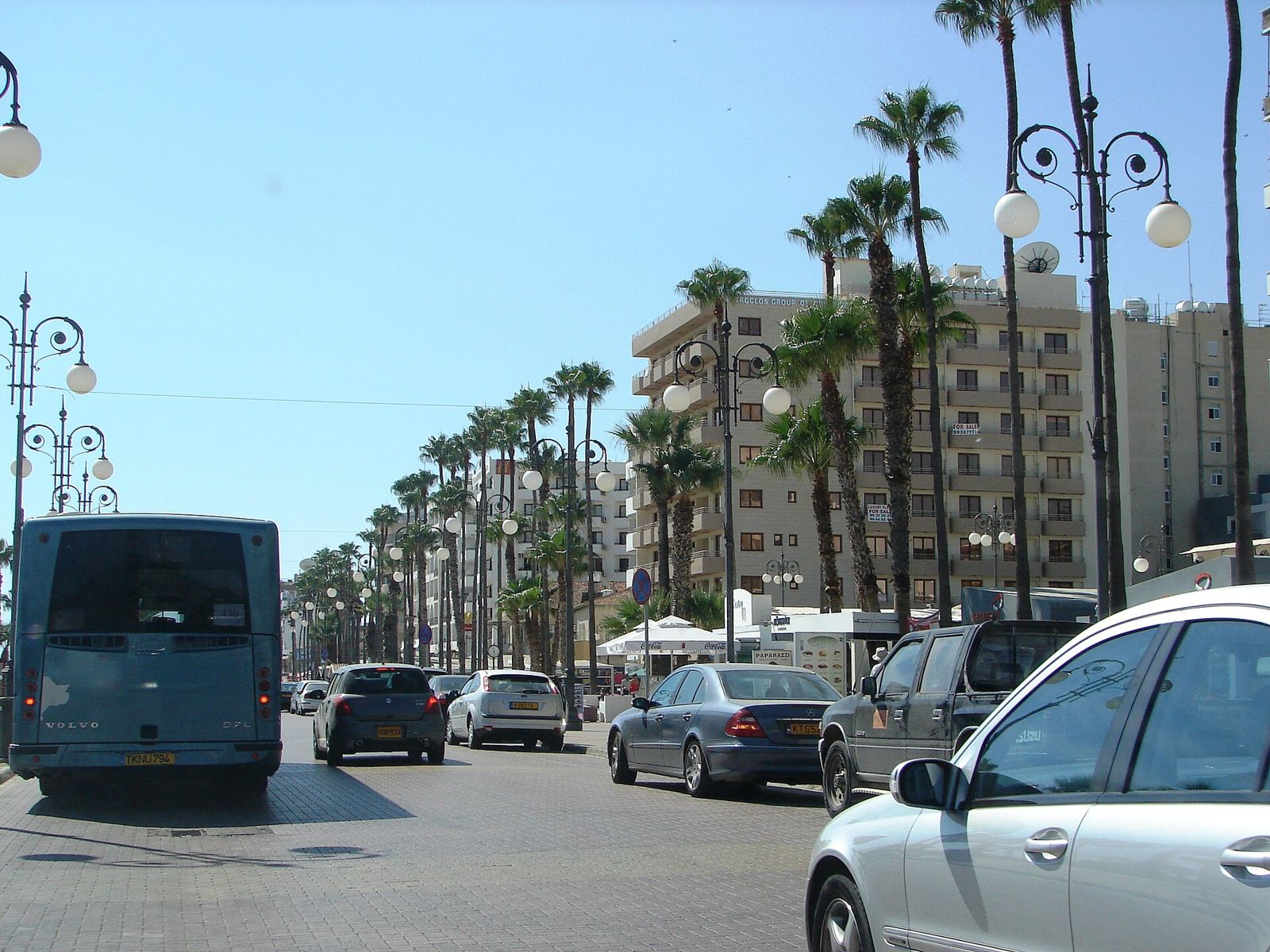
District buses & the Motion Bus Card City buses — five operators, one card
Strengths
- One rechargeable card system, Motion, runs across the district operators — learn it once in Nicosia and the same card logic serves you in Larnaca, Limassol, Paphos and the Famagusta district
- The official operator pages carry the real detail: Cyprus Public Transport publishes its Nicosia and Larnaca networks, fares structure and card guidance on its own site
- For an airport-adjacent base like Larnaca, the local network stitches the promenade, the old town and the airport road into one usable system
Watch out
- Rural routes are the weak layer: village services can be sparse enough that the bus decides your day rather than serving it
- Card types matter — the system distinguishes personalised and anonymous cards and paper multi-journey cards, with different rules; read the official card pages before buying the first one you are offered
- Validation is required on every boarding: the card is a habit, not a souvenir
Best for: days inside one town and its district — the layer under the intercity spine that makes a base feel connected.
See Cyprus Public Transport →Official site See the Motion Bus Card →Official siteNicosia — the capital inside its walls, and the crossing question
Nicosia is inland, walled and unlike any resort on the island: the capital's Venetian walls ring an old town of lanes and churches, and the buffer zone crosses that old town itself. It is the one place where Cyprus's division is not background but geography you walk through.
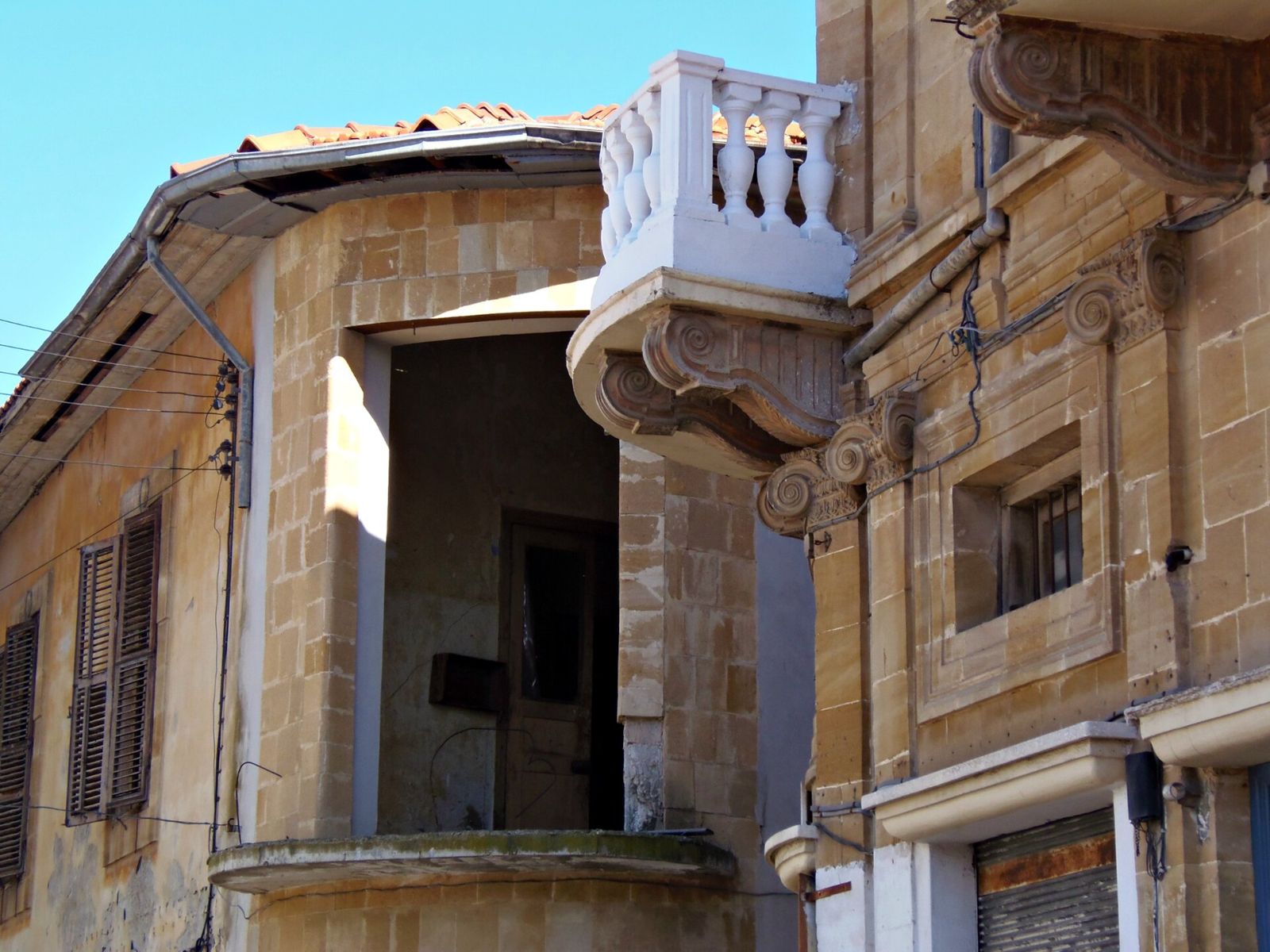
Nicosia old town Base or day trip — the walled capital
Strengths
- The walled old town is the island's urban history in one walk: Venetian fortifications, old-town houses, museums and the commercial life of a working capital rather than a resort
- Ledra Street, the old town's main axis, is also where the best-known pedestrian crossing point sits — the city's daily life and its division share one street
- As the intercity network's inland node, Nicosia pairs naturally with every coastal base as a day trip, and rewards an overnight with a completely different Cyprus
Watch out
- Nicosia is not a beach base: in summer heat the inland capital is a sightseeing day, planned early and late, not a place to drift at midday
- The buffer zone is not a sight to wander into: outside the designated crossing points it is a restricted area, and photography and behaviour rules around it deserve respect rather than curiosity
Best for: the history-and-capital day — and, for travellers who have done the checks below, a careful pedestrian crossing on Ledra Street as part of it.
See Visit Cyprus →Official sitePaphos — archaeology at the water's edge
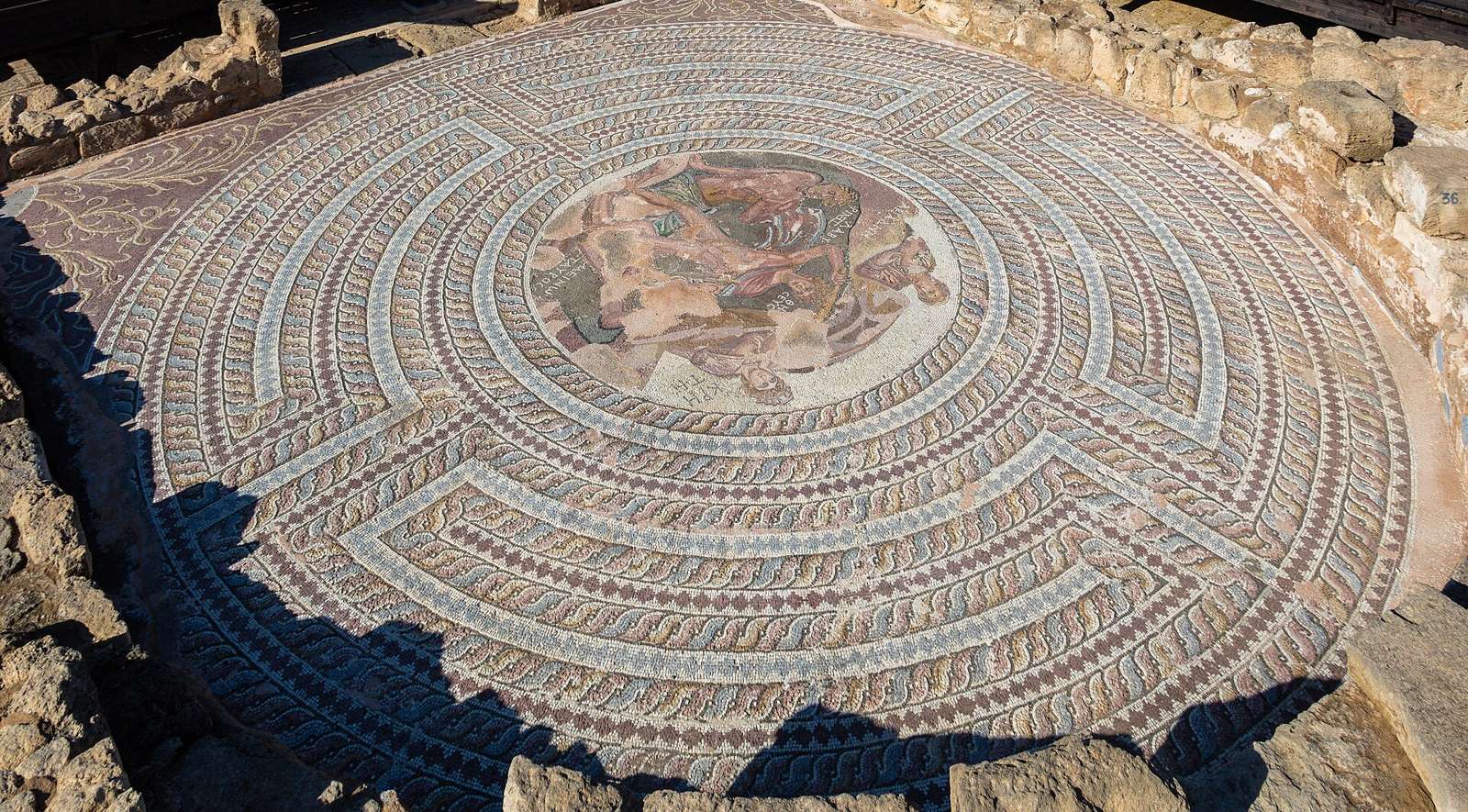
Kato Paphos Archaeological Park World Heritage — the Roman mosaics
Strengths
- Paphos is inscribed on UNESCO's World Heritage List, and its archaeological park holds the Roman villa mosaics — the Houses of Dionysos and Theseus among them — that rank as the island's signature ancient sight
- The archaeology sits inside the resort town, by the harbour: mosaics in the morning, the castle and the sea in the afternoon, no expedition required
- The Tombs of the Kings, the great rock-cut necropolis just outside the centre, completes the ancient pair within the same base
Watch out
- The park is an open-air site with summer sun to match: the mosaics reward an early start, shade breaks and water carried in, not a midday arrival
- Paphos airport serves the west well, but the town is the far end of the intercity chain — build the journey east as a planned leg, not an afterthought
Best for: the base where antiquity and a beach holiday stop competing — the west's natural anchor.
See Visit Cyprus →Official siteTroodos — the green interior
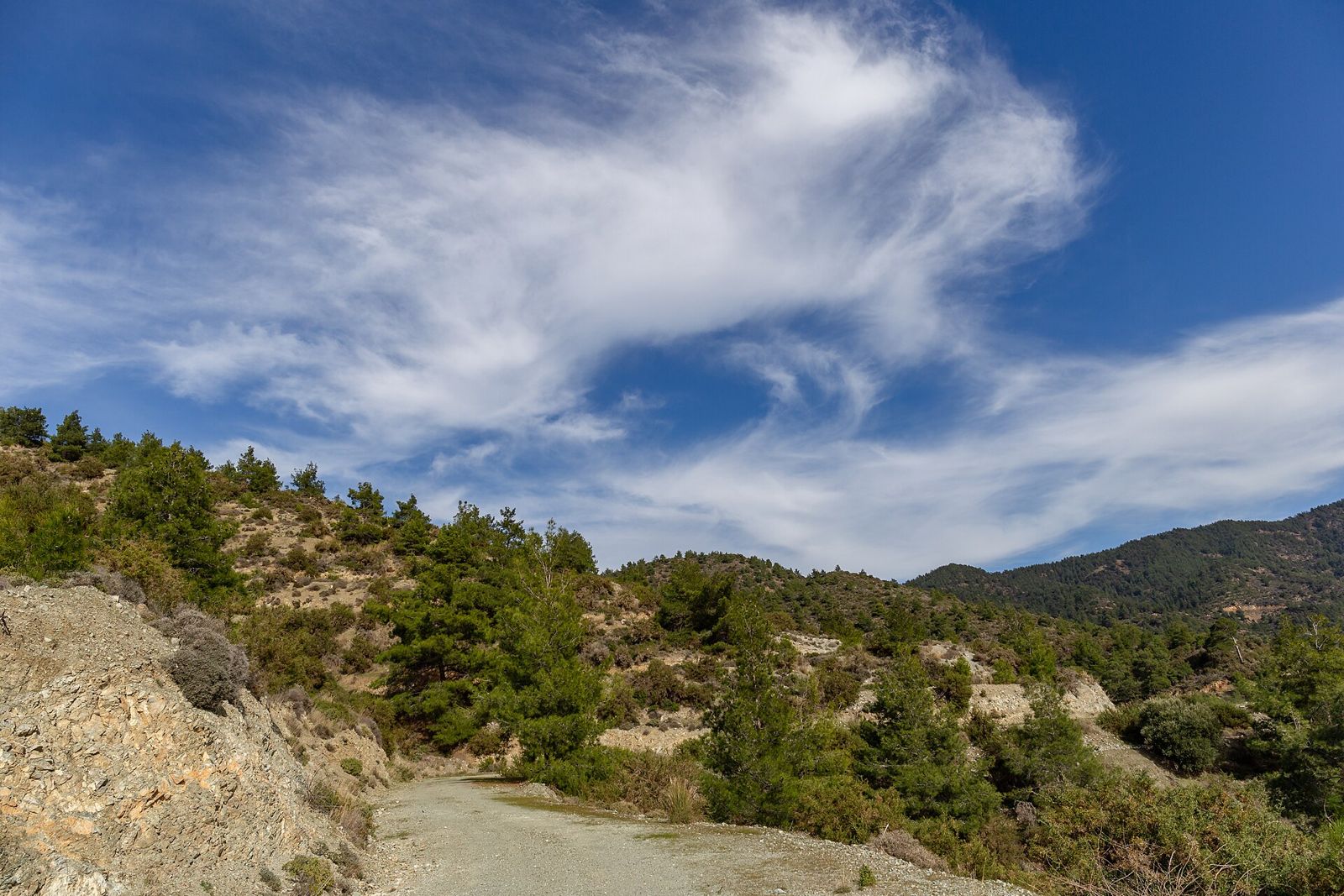
Troodos & the painted churches Mountains — villages, forests & World Heritage churches
Strengths
- The island's other element: pine forest, mountain villages and cool air above the coast, organised around Mount Olympus and a web of village roads
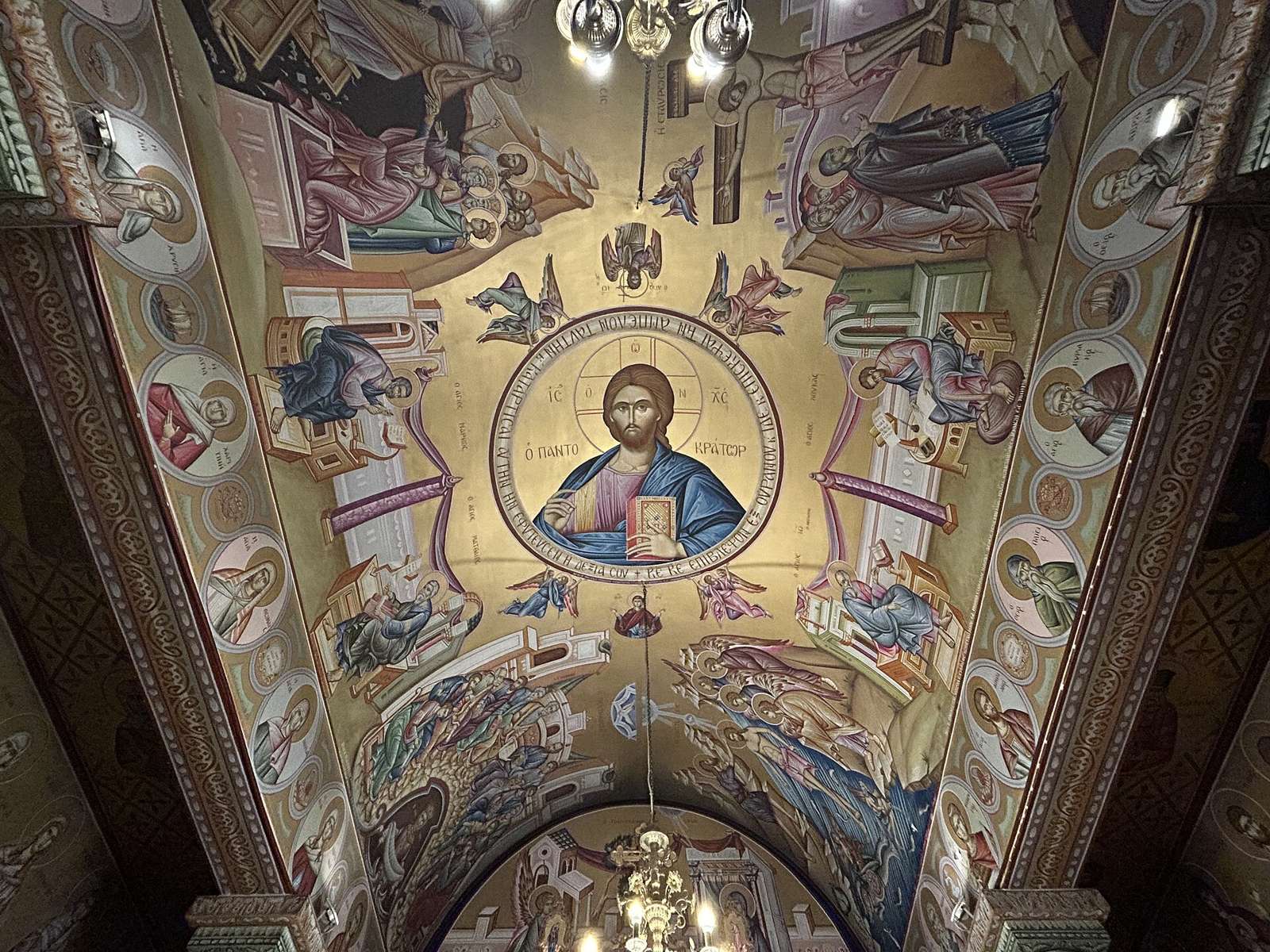
- The Painted Churches in the Troodos Region are a UNESCO World Heritage listing in their own right — small Byzantine churches whose interiors carry the island's medieval art
- Villages such as Kakopetria and Pedoulas give the mountains beds and tables, so Troodos can be a stay, not only a drive
Watch out
- This is car country in practice: rural buses reach only part of the pattern, and a church-to-church day by bus is a puzzle few visitors solve happily
- Mountain weather is its own forecast — the coast's summer day can be a cool, misted one at altitude, and winter brings the island's only serious cold
Best for: the counterweight days — taken by car or organised tour, ideally with a village night inside the mountains.
See Visit Cyprus →Official siteLarnaca, Limassol and the east — the working coast
Larnaca & the eastern resorts Gateway & coast — Finikoudes to Ayia Napa
Strengths
- Larnaca is the convenient Cyprus: the main airport, the Finikoudes palm promenade, the church of St Lazarus in the old town and the salt lake at the city's edge, all inside one compact base
- East of it, Ayia Napa and Protaras hold the island's famous swimming water and Cape Greco's sea caves — reached on the intercity network's eastern arm
- Limassol, between Larnaca and Paphos, adds the south coast's biggest city life and the road up to Kourion, the great clifftop ancient city to its west
Watch out
- The eastern resorts are seasonal in spirit: their summer energy is the product, and the same streets are a quieter proposition outside the season
- Convenience can flatten the trip — Larnaca as a pure airport base wastes the island; give the west and the mountains their own days or their own beds
Best for: arrivals, short trips and beach-first stays — with Limassol as the central-coast alternative base.
See Visit Cyprus →Official siteGuided tours are a different product from the buses above — in Cyprus they are often the practical way to do Troodos and the divided-capital story with the logistics carried for you. Judge a listing on what it actually includes, and for any tour that crosses the line, on whether its description handles documents and checks as plainly as the crossing section of this page does.
Browse Cyprus tours on Viator →Affiliate link — you pay the same Browse Cyprus tours on GetYourGuide →Affiliate link — you pay the sameWhere to sleep — bases on a small island
The practical layer — how Cyprus differs from a US trip
Which Cyprus is yours?
Decisions that actually matter
Is there really no train in Cyprus?
Really none — no railway, metro or tram operates anywhere on the island. Public transport means buses: one intercity company between the towns and district operators inside them, under the shared Motion Bus Card system. Everything the train would have done is done by road, which is why this page is organised around buses and the rental car instead.
Can I visit Cyprus without renting a car?
Yes, if your Cyprus is the towns and the coast between them: the intercity coaches link Nicosia, Limassol, Larnaca, Paphos and the Ayia Napa corridor, and district buses cover the days inside each base. What the no-car trip gives up is the interior on your own schedule — Troodos villages, scattered churches and quiet coves — which tours can partly restore. Decide by itinerary, not by habit.
Can I cross from the south to the north?
Crossings happen every day at the designated crossing points, and for many visitors a pedestrian crossing on Ledra Street in Nicosia is a straightforward part of a capital day. But eligibility and documents depend on your nationality and the current rules, and this page does not promise any individual outcome. Check the official Cyprus authorities' crossing information and your own government's travel advice for your passport before you plan around it — and if you are driving, settle the rental contract and insurance questions in the crossing section above first.
Larnaca or Paphos airport?
Match the airport to the base. Larnaca for the east, the capital and the shortest onward journeys; Paphos for the west, its archaeology and the Akamas side. Both are international gateways with road connections only — there are no domestic flights between them — so the choice is really about where your first and last nights are.
What is the one transport habit to learn before arriving?
The Motion Bus Card. One rechargeable card system runs across the district bus operators, with validation on every boarding — it turns five separate local networks into one habit. Pair it with the Intercity Buses site for town-to-town legs and you hold the whole public system in two places.
Prices and terms change often — the booking site is the final word. Timetables, fare conditions and crossing arrangements change by season and by day; check the operator's and the authorities' own pages for your date. Facts on this page checked against providers' official pages, November 2026.


