
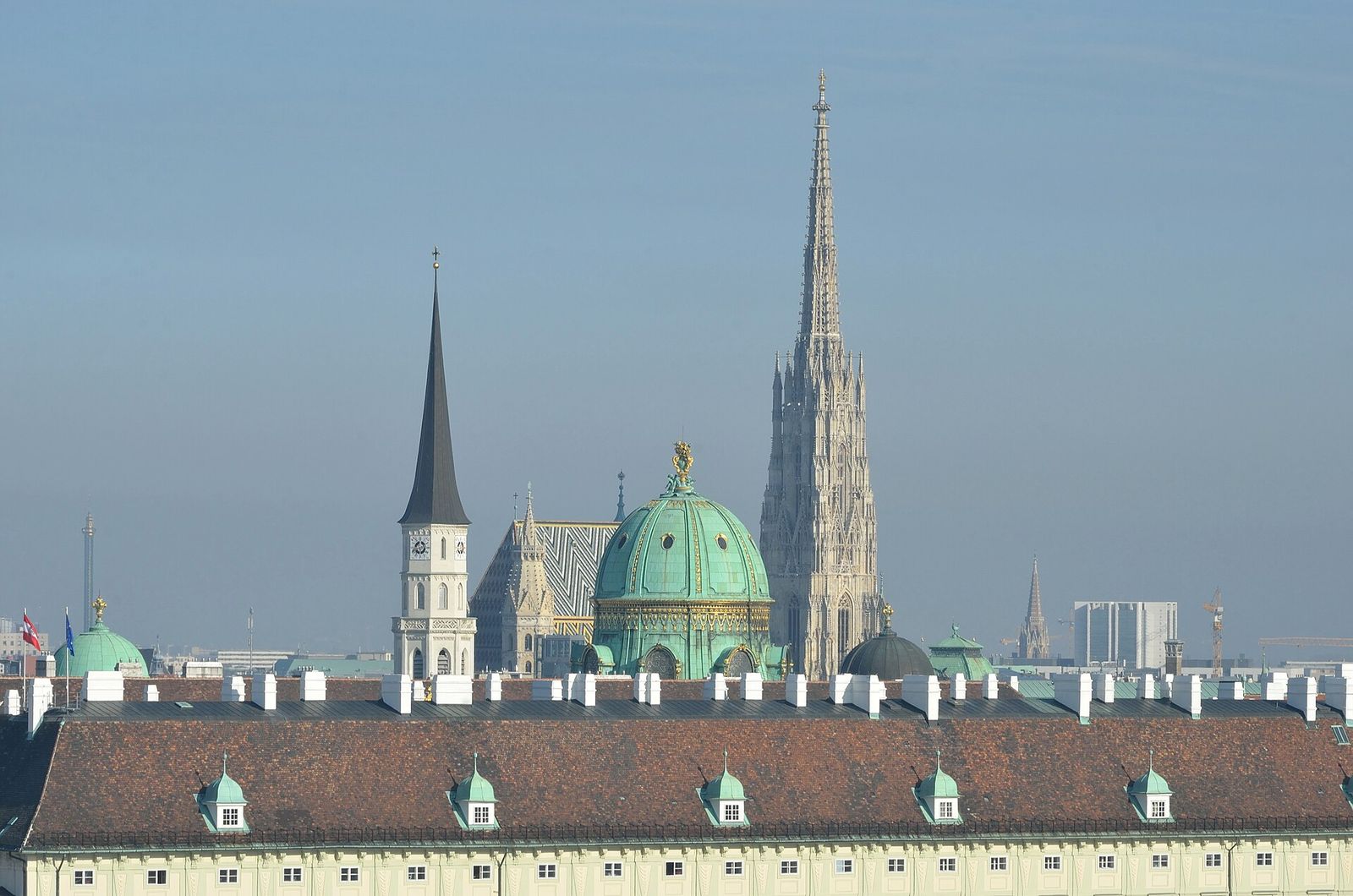
🇦🇹 Austria, planned around one alpine spine
Austria looks alpine and complicated on the map; its railway is neither. A single spine runs the length of the country — Vienna in the east, Salzburg in the middle, Innsbruck in the Tyrolean west — and ÖBB's Railjet family ties those three cities together by day while its Nightjet trains do the same work overnight, out across Europe's borders. Almost every first Austrian itinerary is a walk along that spine, with the Salzkammergut lakes hanging off its middle. Two things decide whether it runs smoothly. The first: one corridor on the spine — Vienna to Salzburg — is served by two competing railways whose tickets do not work on each other's trains. The second: Austria's headline sights run on fixed times — Schönbrunn admits by the clock, not by the queue. This page covers the ÖBB structure, the two-railway corridor, the KlimaTicket and Vienna City Card judgements, and the bases along the spine.
The lay of the land — one spine, four layers
ÖBB — the Austrian Federal Railways — publishes its train types in three families, and the families are the planning map: long-distance trains along the spine and across borders, night trains that turn the spine's length into sleep, and regional trains with the S-Bahn webs around the three main cities. On top of that map sits one private competitor on one corridor, and underneath it a national pass built for residents. The table is the map; the cards carry the detail.
| Layer | What it is | How booking works | Watch out |
|---|---|---|---|
| Railjet & Railjet Express | ÖBB's long-distance flagship family — the daytime spine: Vienna, Salzburg and Innsbruck, plus cross-border runs and ÖBB's other long-distance types (Intercity, EuroCity, ICE, Interregio) | Booked on ÖBB's own channels; discounted Sparschiene fares exist as a limited-availability structure, sold through ÖBB's ticket channels rather than its tap-and-go app payment | A discounted ticket and a flexible ticket are different products — read which train, and which conditions, your fare actually buys |
| Nightjet | ÖBB's night-train brand — board in the evening in Austria, wake in another European city, or the other way round | Booked on ÖBB / nightjet.com by comfort category: seat, couchette, mini cabin or sleeping car | The category is the product: a seat and a made-up bed in a sleeping car are both "the night train", and they are not the same night |
| WESTbahn | The private competitor on the Vienna–Salzburg corridor, continuing toward Innsbruck and Munich, with a southern line to Graz, Klagenfurt and Villach in its own network description | Booked on westbahn.at; online bookings include a free seat reservation in the operator's own structure | ÖBB tickets are not valid on WESTbahn trains — the operator says so in plain words — and the reverse is equally true |
| Regional & S-Bahn | ÖBB's local family as the operator lists it: regional trains (R), regional express (REX), cityjet express (CJX) and the S-Bahn suburban webs | Regional fares run through the regional transport associations (Verkehrsverbünde), whose single and day tickets ÖBB's own app also sells | Each association sets its own local rules — the layer is national in reach, regional in detail |
The daytime spine — ÖBB long-distance
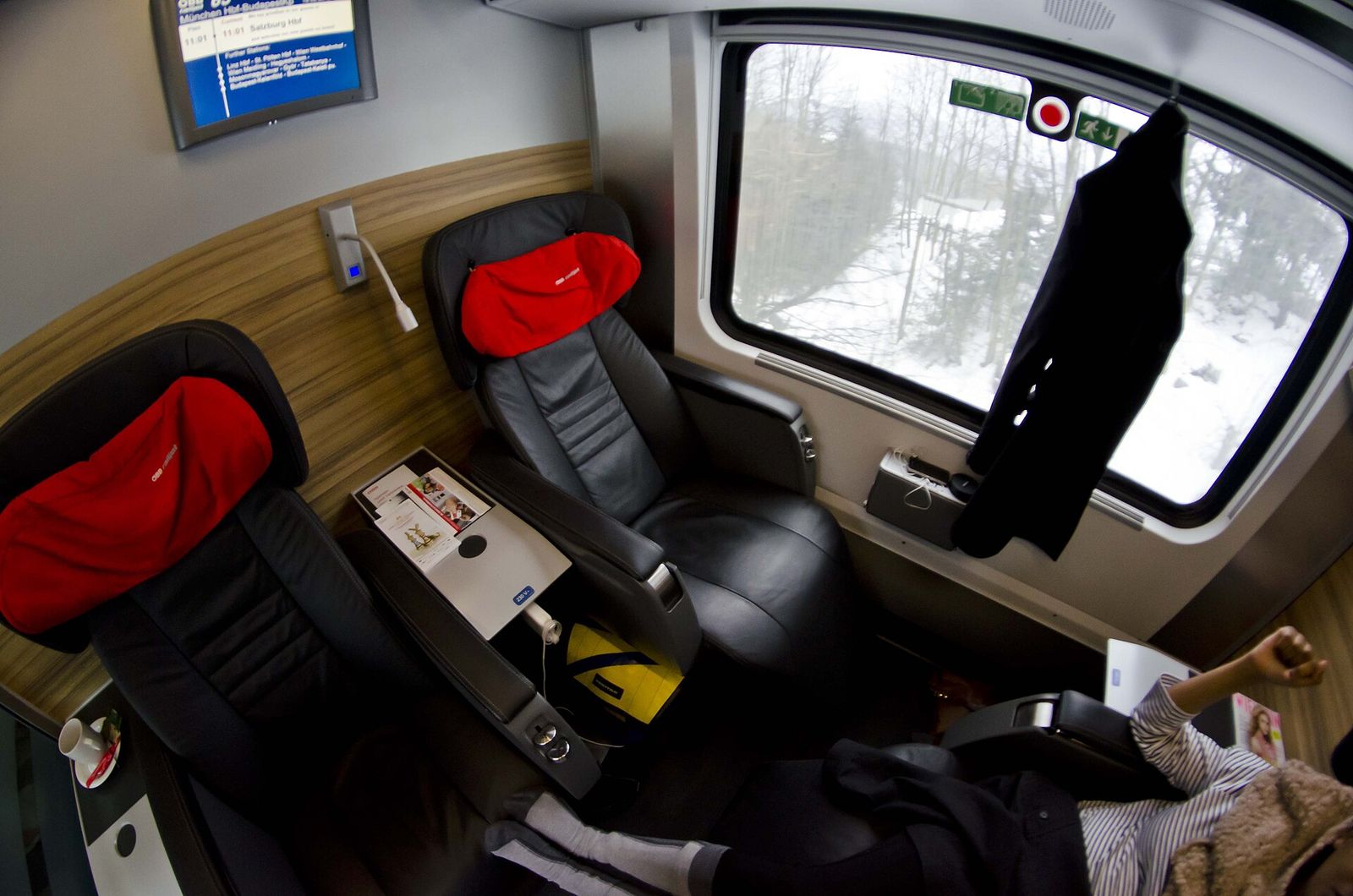
Railjet & Railjet Express Long-distance — the spine itself
Strengths
- One operator covers the whole itinerary shape: Vienna to Salzburg to Innsbruck by day, with onward long-distance types reaching Graz, Klagenfurt and the neighbouring capitals
- City centre to city centre along the whole spine — the three bases of an Austrian trip need no airport and no car between them
- The discount layer is structural, not a promotion: Sparschiene fares are ÖBB's limited-availability advance fares, so booking early is a real lever here
Watch out
- Limited-availability means limited: the cheapest Sparschiene allocation for a train can be gone while the train itself still has seats at other fares
- Sparschiene is not sold through ÖBB's SimplyGo! tap-and-go payment — the official FAQ says so — so the discount and convenience layers are different doors into the same railway
- ÖBB's homepage carries live route and construction notices for a reason: on the day, your train's status lives there, not in any guide
Best for: the spine itself — Vienna to Salzburg, Salzburg to Innsbruck, and the cross-border legs at either end of a longer European rail trip.
Nightjet Night trains — the spine after dark
Strengths
- ÖBB's own framing is the honest one: travel overnight and save both time and a night's accommodation — evening departure, morning arrival, the day at both ends stays yours
- A real comfort ladder, published by the operator: seat cars, couchette cars with bedding provided, mini cabins in the new-generation trains for solo travellers, and sleeping cars with made-up beds and breakfast
- The network is centred on Austria, so Vienna and Innsbruck work as night-train hubs, not just stops
Watch out
- The seat car is the most affordable way to ride — and still a seat, shared, for a whole night. Judge the category against your night, not the price gap alone
- Couchettes are shared compartments by design, with dedicated ladies' compartments bookable — privacy is a category you choose, not a default
- Night trains run to their own pattern, and works reroute them; the operator's notices for your date are part of the booking
Best for: arriving from, or leaving toward, another European city without spending a travel day on it — and for travellers who genuinely sleep well on trains.
The layer that fills the map in
Regional trains & the S-Bahn Local — R · REX · CJX · S-Bahn
Strengths
- The day-trip layer: Salzburg toward the Salzkammergut, Vienna to the Danube towns, Innsbruck into its valley
- Regional single and day tickets from the transport associations are sold inside ÖBB's app alongside long-distance tickets, so a mixed day books in one place
- Cards and passes stored in an ÖBB account are applied automatically by the app's payment flow, per the operator's own FAQ
Watch out
- The associations, not Vienna, set the local fare structures — a day ticket that works one valley over says nothing about the next
- Mountain and lake lines run to a regional rhythm, not a metro one; a missed connection there costs real time
One corridor, two railways — Vienna to Salzburg
The busiest leg of the spine is an open corridor: ÖBB's Railjet services and the private WESTbahn run the same city pair on the same tracks, at comparable speeds, to different Vienna stations — and a ticket for one is not a ticket for the other. WESTbahn states it plainly: ÖBB and Deutsche Bahn tickets are not valid on WESTbahn trains. Read the corridor as a choice per leg, not one railway with two brands.
| ÖBB Railjet | WESTbahn | |
|---|---|---|
| Vienna station | Wien Hauptbahnhof — the main station, hub for onward ÖBB connections in every direction | Wien Westbahnhof — the western station, closer to the western districts and the Mariahilfer Straße side of the city |
| Beyond Salzburg | The full ÖBB network: Innsbruck, Graz, Klagenfurt and cross-border long-distance in one system | Its own network continues toward Innsbruck and Munich, and south to Graz, Klagenfurt and Villach, per the operator's description |
| Seat reservation | Part of ÖBB's long-distance booking flow; what your fare includes shows for the specific train | Online bookings include a free seat reservation in the operator's structure (its WestFixplatz) |
| Ticket validity | Valid on ÖBB trains. Not valid on WESTbahn — the competitor's own warning, and it cuts both ways | Valid on WESTbahn trains only. An ÖBB ticket in your pocket does not board this train |
| KlimaTicket | Accepted — it is a national pass across participating operators | Accepted — holders can register the pass in a WESTbahn account and book the free seat reservation there |
WESTbahn Private operator — the corridor competitor
Strengths
- Density on the corridor: the operator's Salzburg page describes up to 28 departures a day toward Vienna at regular intervals, first train early morning, last in the evening — a turn-up rhythm on an intercity leg
- Its published timing for the corridor — the Salzburg–Vienna distance in about two and a half hours — matches the state railway's range, so the choice is about station, conditions and inclusions, not a slow train versus a fast one
- A simple on-board structure in the operator's own description: three comfort classes, free Wi-Fi and power at seats, and the reserved seat folded into an online booking
Watch out
- The ticket wall is absolute: ÖBB tickets are not valid here, and a WESTbahn ticket does not help you on a Railjet when your plans change at the platform
- Its network is a subset of the national map — beyond its own lines, Austria is ÖBB and the regional associations
- Westbahnhof and Hauptbahnhof are different stations across the city: the "Vienna" end of your ticket is a real decision, not a detail
Best for: the Vienna–Salzburg leg itself, especially when the Westbahnhof end of Vienna suits your stay, or when its departure rhythm fits your day better than the Railjet pattern.
The KlimaTicket — a resident's pass, judged honestly
Austria's famous climate ticket is real, and its structure is easy to state: the KlimaTicket Ö is an annual pass for public transport across the whole country — state and private rail, city transport and the transport associations' routes — with regional versions for a single region or group of regions. Tourist offers are excluded. It even reaches into the night network, in one limited way: holders can ride the Nightjet's day coach within Austria without an additional ticket, while a seat, couchette or bed is booked and paid for separately. We give no price here, deliberately — the pass is repriced on its own official site, and the judgement below needs no number.
Along the spine — three bases, three different Austrias
The spine works because its three stops are not three versions of one city. Vienna is the imperial capital and museum city. Salzburg is the compact baroque city under its fortress, with the lakes behind it. Innsbruck is the alpine city, its old town directly under the Nordkette wall. The tourist board's framing points the same way: Vienna's palaces and museums, Salzburg's UNESCO-listed historic centre, Innsbruck's old town and winter-sports mountains.
Vienna Base — the capital & the museum city
Strengths
- The deepest base on the spine: the Hofburg complex, the great collections and Schönbrunn give Vienna more anchor sights than any other Austrian stop — the tourist board calls Schönbrunn the country's largest palace and a UNESCO World Heritage Site
- The country's largest airport hub, per the tourist board — the natural first or last night of an Austria trip
Watch out
- Vienna has more than one main station and the two corridor railways use different ones — where your train arrives decides your first cross-town journey
- It rewards days, not hours: Vienna as a transit stop between airport and Salzburg is the most common waste on this itinerary
Best for: the culture-first trip, and as the anchor at either end of the spine.
See Austria.info →Official site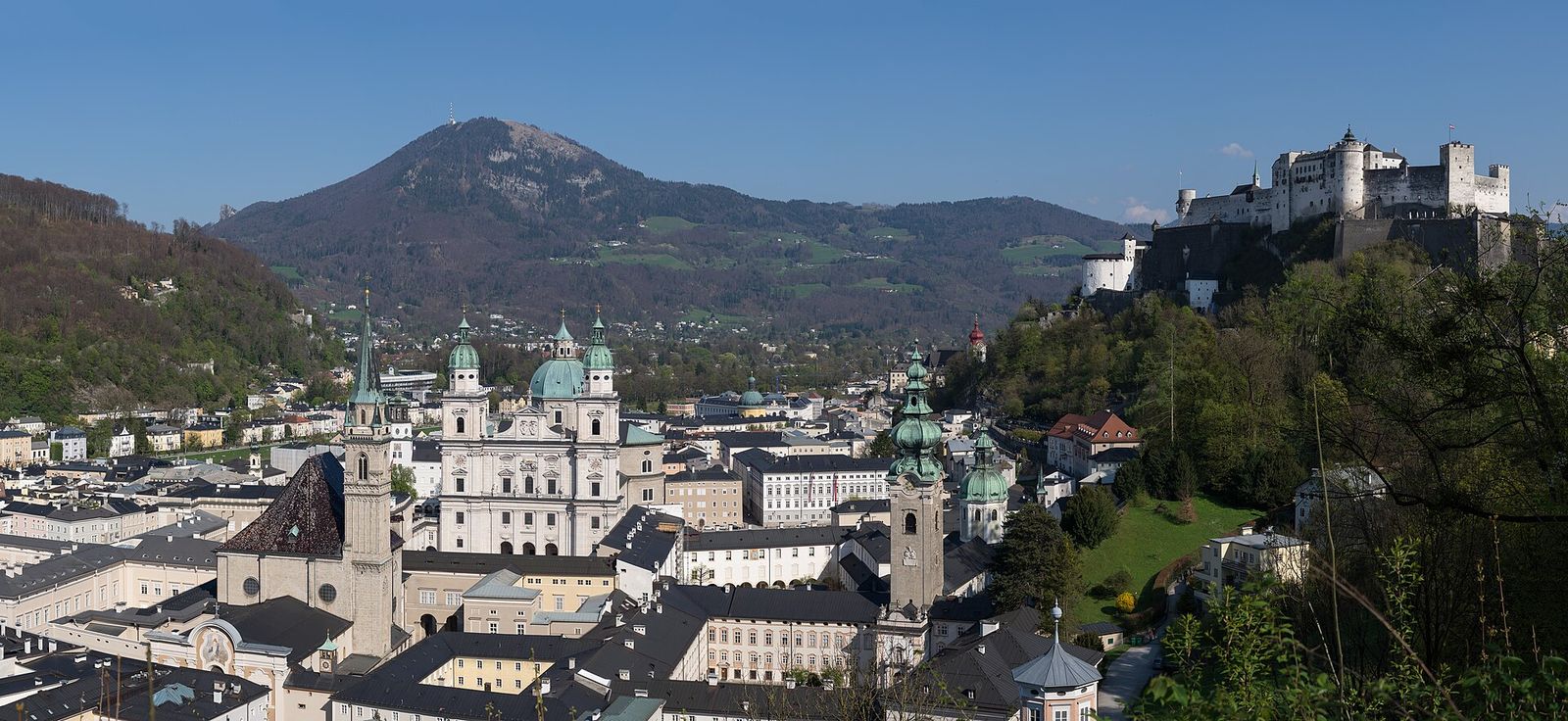
Salzburg Base — baroque city & the lakes' gateway
Strengths
- A complete old town at walking scale: Hohensalzburg above it — one of the largest fully preserved castles in Central Europe, per the tourist board — Mirabell Palace and its gardens, and the Mozart layer through all of it
- The hinge of the spine: midpoint between Vienna and Innsbruck, and the gateway city for the Salzkammergut lakes to its east
Watch out
- Its compactness cuts both ways: the old town concentrates visitors into the same lanes, squares and fortress path in high season
- As a pass-through between Vienna and Innsbruck it is undersold — it needs its own night and day to pay off
Best for: the middle of the trip — one city day, one fortress morning, and the lakes as its day trip.
See Austria.info →Official site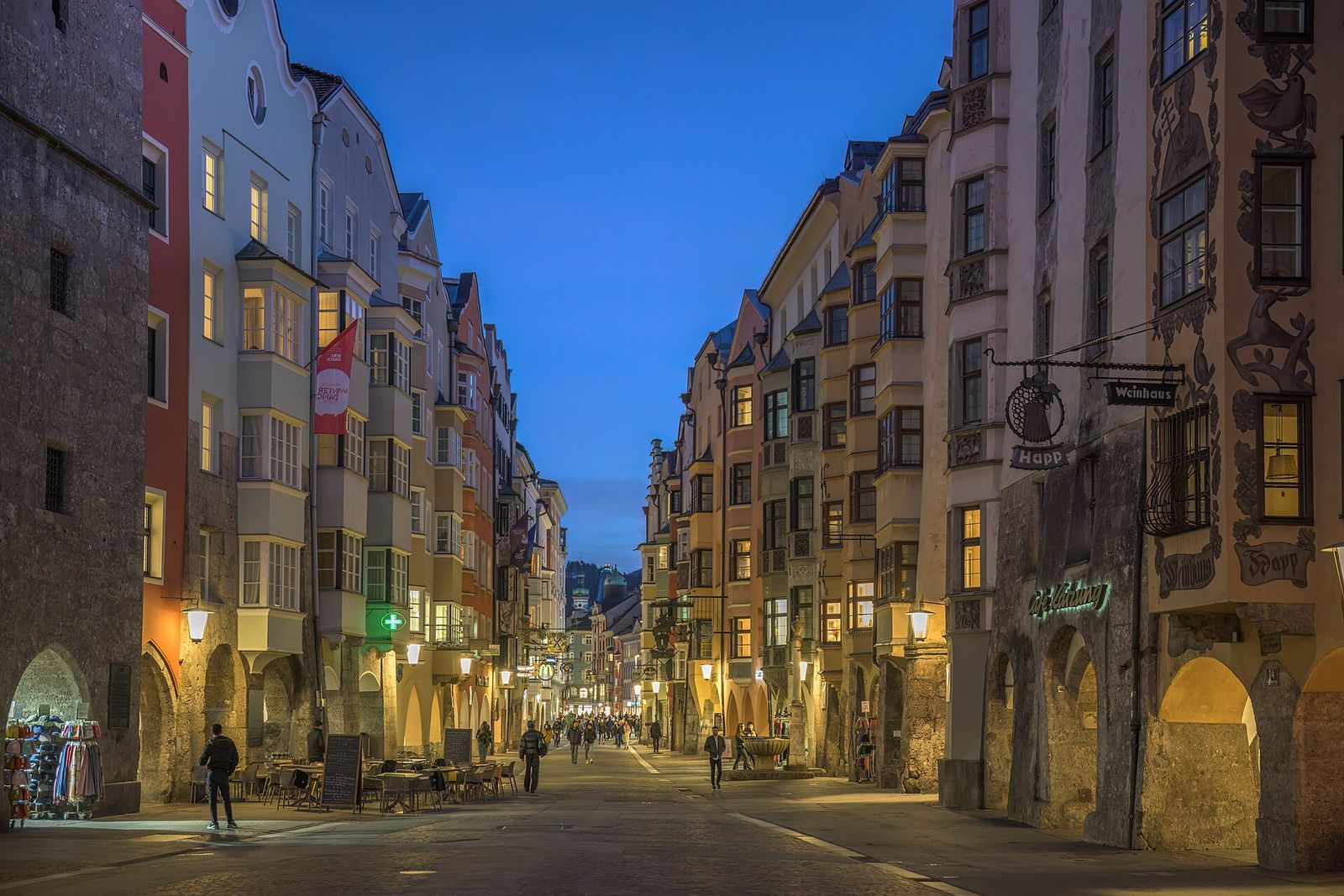
Innsbruck Base — the alpine city
Strengths
- The old town — the Golden Roof at its centre — stands directly beneath the Nordkette: a city morning and a high-mountain afternoon need no car and no expedition planning here
- The western end of the spine and a Nightjet hub, so it pairs naturally with an overnight arrival or departure
Watch out
- Mountain weather is the itinerary variable here in a way it is not in Vienna: the high day above the city is a forecast decision, made the day before at the earliest
- It is the smallest of the three bases — Vienna's museum depth is missing here, by design
Best for: the mountain day inside a city trip — and skiers and hikers who want the Alps without a resort transfer.
See Austria.info →Official site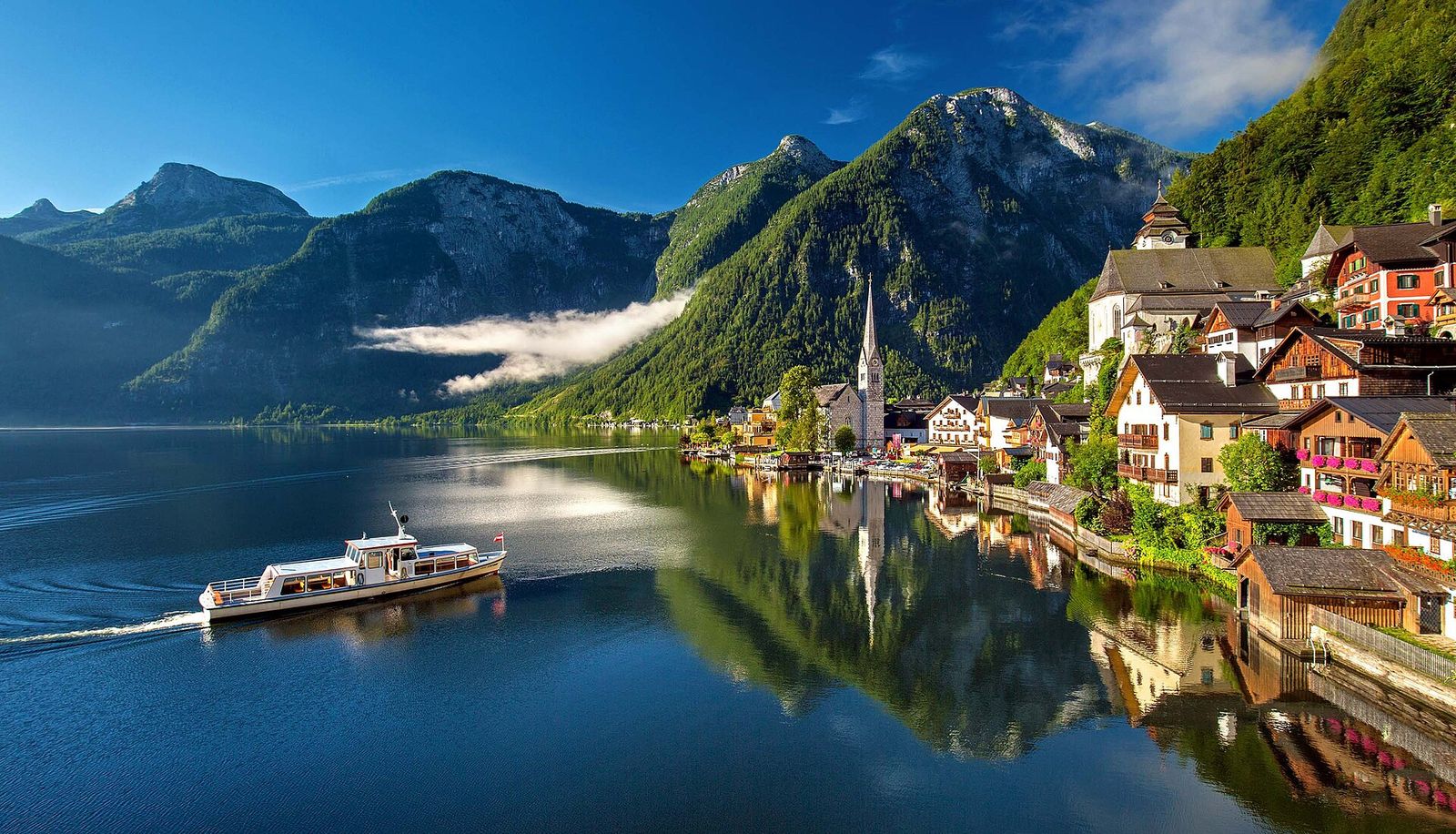
Schönbrunn — the timed palace that anchors a Vienna stay
Schönbrunn is to Vienna what Versailles is to Paris: the palace the itinerary bends around, and the clearest example of Austria's fixed-time culture. The palace's own site states the rule in capitals: admission is provided with fixed admission times, and the way to avoid long waiting is to secure your slot in advance with an online ticket. Genuine online tickets, the same page says, are sold exclusively through its own imperialtickets.com channel — worth knowing in a market full of lookalike sellers. The choice is not whether to book, but which tour your slot is for.
Guided tours at the same sights are a different product from the palace's own timed tickets; tour platforms sell them on their own terms.
Browse Austria tours →Affiliate link — you pay the same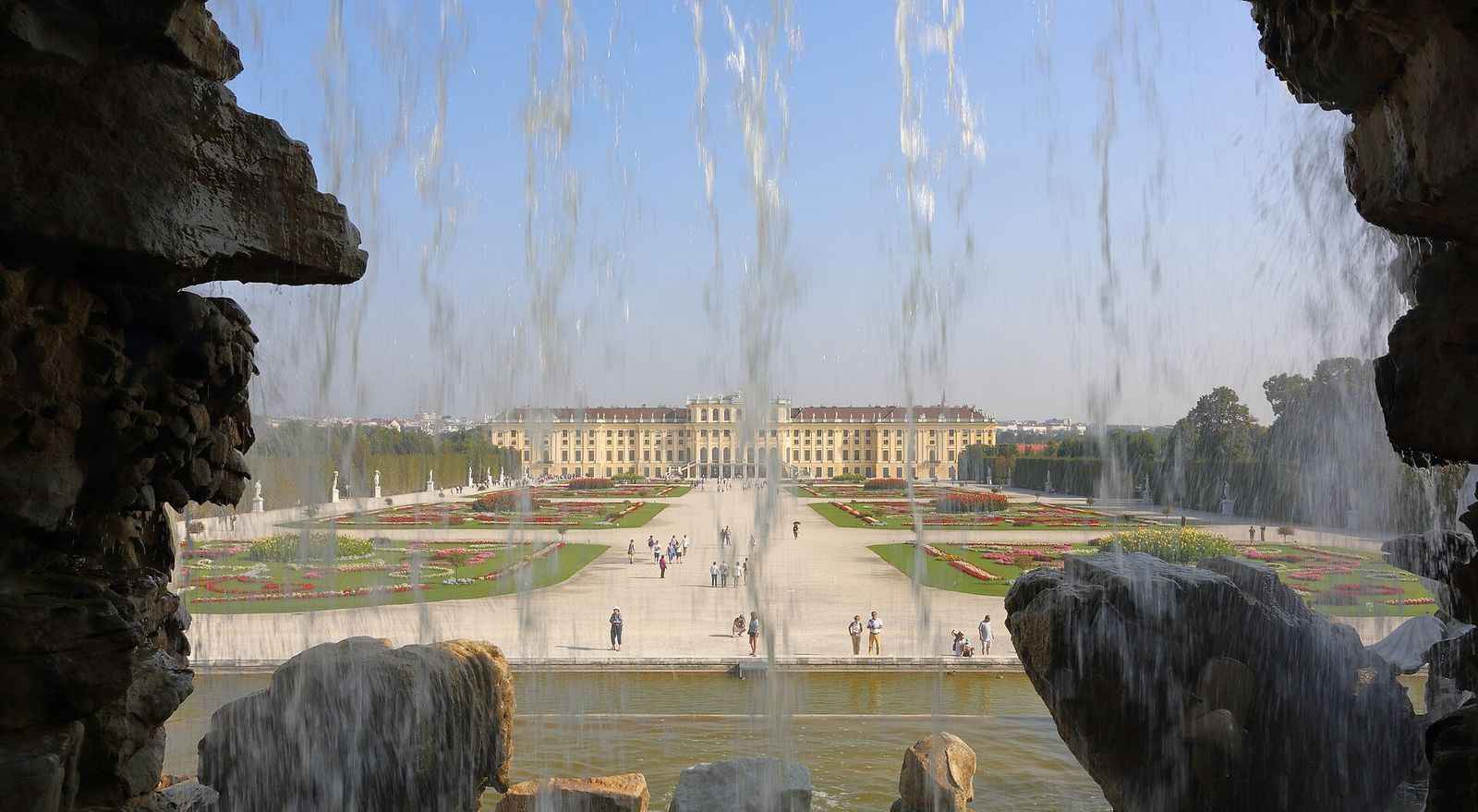
The Vienna City Card — a discount card, judged as one
Vienna's official city card — the Tourist Board's own product — is routinely misjudged because it is routinely misdescribed. It is not a free-entry pass. Its structure, from the official page: travel on Vienna's public transport (underground, tram and bus in the city area) is included, alongside a book of discounts at museums, sights, theatres, concerts, shops and restaurants, valid within the card's window — four lengths, from a day up to a week. Airport transfer and a hop-on hop-off ticket are add-ons, not inclusions. The card carries the Austrian Ecolabel, and its official description leads with a family point: children travel free with it.
Where to sleep — bases, not just cities
The practical layer — how Austria differs from a US trip
Which Austria is yours?
Decisions that actually matter
ÖBB or WESTbahn between Vienna and Salzburg?
Choose per leg, on four things: which Vienna station suits your stay (Hauptbahnhof for ÖBB, Westbahnhof for WESTbahn), which departure rhythm fits your day, what the fare actually includes — WESTbahn folds a reserved seat into online bookings — and whether the ticket must live inside a wider ÖBB itinerary. You cannot hedge: the tickets do not cross.
Should I buy the KlimaTicket for my trip?
For a holiday, no — and that is a compliment to the pass, not a criticism. It is an annual, country-wide residents' instrument, valid across operators and city networks for a year; its official site holds its current terms. A visitor's travel is priced better by the ordinary layers: advance Sparschiene fares, regional day tickets, and the Vienna City Card judged on its discounts. Moving to Austria, or basing there long-term, reverses the answer.
Is the Vienna City Card worth it?
Only your own list can answer it, because the card is transport plus discounts, not entries. Add up the discounts at the places you will genuinely pay to enter during the card's window, set that against a plain transport ticket for the same days, and let the difference decide. Remember the Schönbrunn subtlety: the card reduces a time-slot ticket you still have to book — it never turns a palace visit into a walk-up.
Prices and terms change often — the booking site is the final word. Train timetables, palace time slots and disruption notices all change by season and by day; check the operator's own page for your date. Facts on this page checked against providers' official pages, November 2026.


