
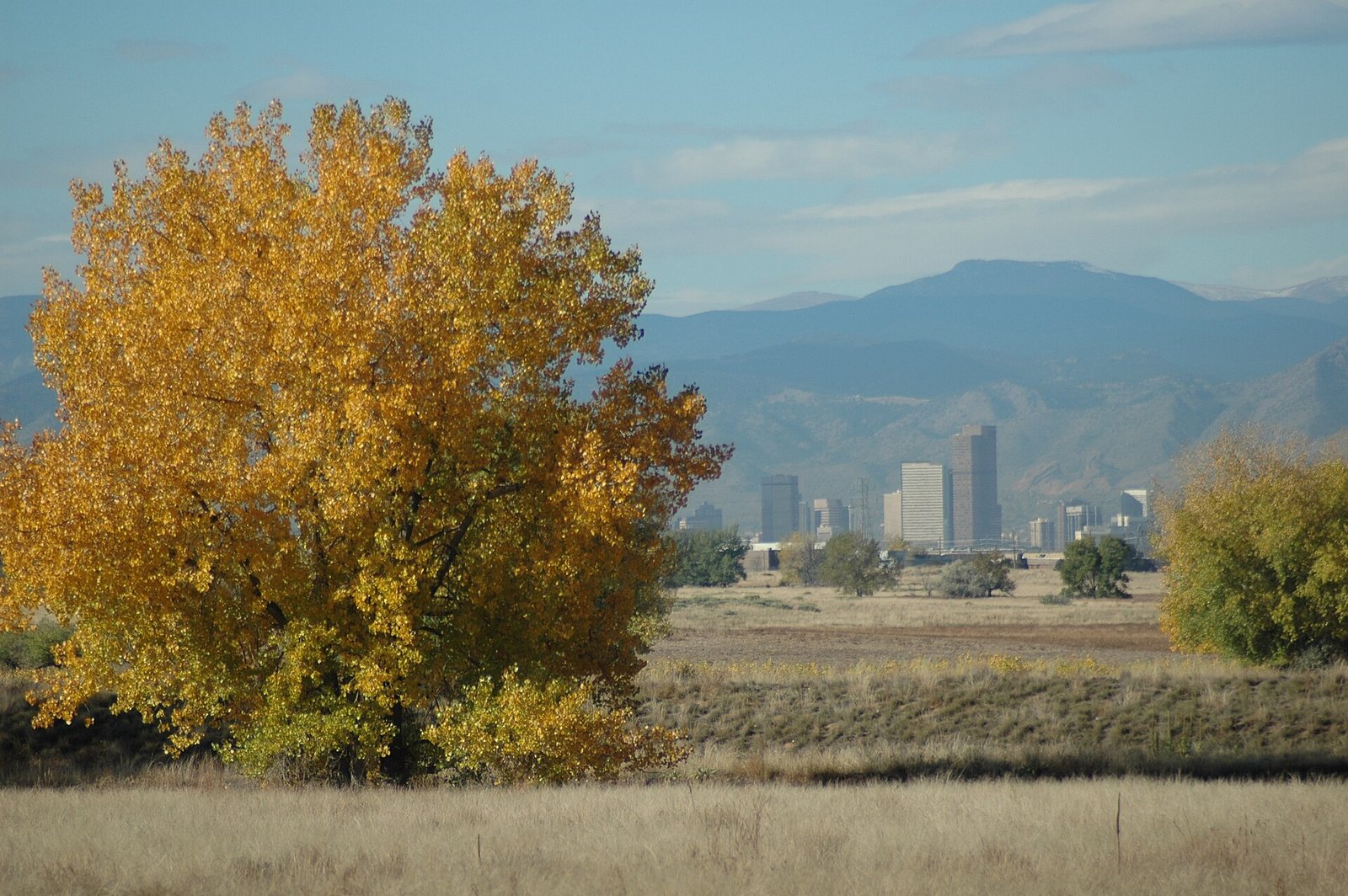
🏔️ Denver, staged at a mile high
Denver is two trips wearing one name. The first is a genuinely enjoyable city: a restored station hall in LoDo, a free shuttle down the 16th Street corridor, a gold-domed capitol with a step that sits exactly one mile above the sea, serious museums, a ballpark in the middle of downtown and a red-rock amphitheatre in the foothills. The second trip is the one Denver is a gate for — the high country, up to Rocky Mountain National Park, where the road crests above twelve thousand feet and the park itself decides, season by season, who enters and when. This page plans both honestly: the city as a set of walkable clusters, the altitude as a staging problem to respect rather than a slogan, the airport train as the first real decision of the trip, and the national park as a gated day that is earned by planning — not improvised at the entrance. No prices are printed here; this is the route layer, and the money layer is linked at the end.
The lay of the land — three city clusters, one foothills excursion, one gate
Denver's sights sit in three walkable clusters tied together by one free shuttle corridor, plus two things that are not city sights at all and should never be planned as if they were: Red Rocks, a foothills trip west, and Rocky Mountain National Park, a full gated day northwest. The table is the map; the cards below carry the detail — with the downside of each printed, partners included.
| Cluster | What's there | How you move | Watch out |
|---|---|---|---|
| LoDo & Union Station | The station hall · Coors Field · the historic warehouse streets | On foot; the airport train and the free 16th Street shuttle both start here | Game days rewrite the streets around the ballpark — check the fixture list against your dates |
| Civic Center & the Capitol | Colorado State Capitol and its mile-high step · Denver Art Museum · the library side of downtown | The free shuttle's other end; a short walk across the centre | The Capitol is a working seat of government — visiting arrangements follow its calendar, not yours |
| City Park side | Denver Museum of Nature & Science · Denver Zoo, both inside City Park · Botanic Gardens at York Street nearby | A bus or ride east of downtown — its own half-day, not a downtown stroll | Two big venues in one park tempt an overloaded day; pick one as the anchor |
| Red Rocks (foothills) | Red Rocks Park and Amphitheatre, in Morrison, west of the city | A road trip — there is no rail answer | It is a working concert venue inside a public park: event days change what a daytime visitor can do |
| Rocky Mountain NP (the gate) | Estes Park gateway · Bear Lake Road corridor · Trail Ridge Road in season | A full day by road, northwest of the city | In season, entry itself is reservation-gated at the busy hours — see the dated status box, every year |
Start at the station — LoDo and downtown
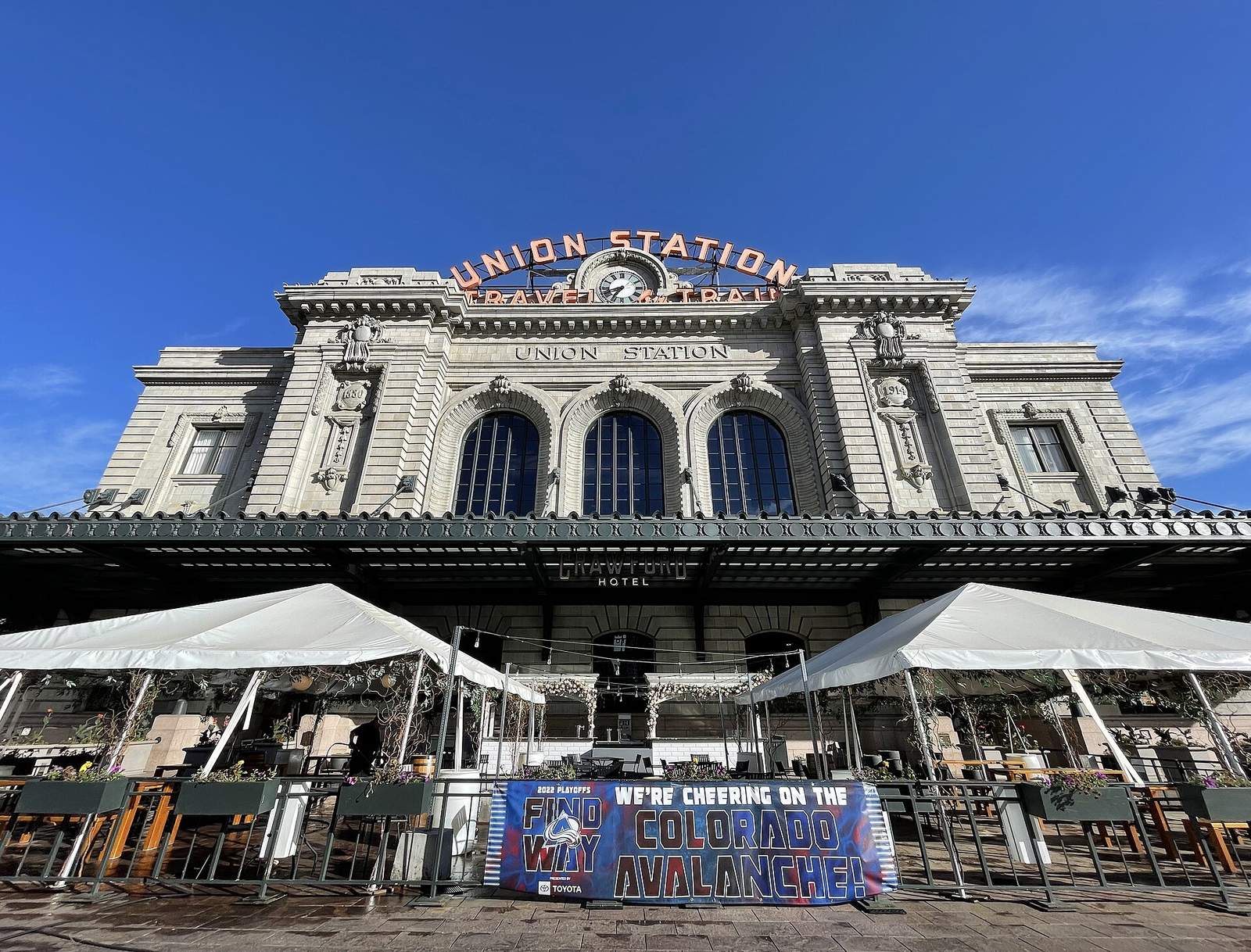
Denver Union Station & LoDo Transport hub — Lower Downtown
Strengths
- The city's front hall in every sense: the airport train, RTD rail and bus and Amtrak meet in one restored historic terminal
- LoDo around it — the warehouse streets, the ballpark, the eating and drinking blocks — is the natural first-evening cluster
- The free 16th Street shuttle starts at its door, so the whole downtown corridor is reachable without a transport decision
Watch out
- It is a working station first and a sight second: at commute and game times it is a crowd to move through, not a hall to linger in
- Coors Field game days load the whole LoDo grid; a quiet dinner plan and a home game do not mix by accident
- Sleeping beside the hub is convenient and priced like it — the value beds are a shuttle ride away, which is exactly the trade the free corridor makes painless
Best for: arrival itself — step off the A Line, get your bearings in the hall, and let LoDo be the first evening.
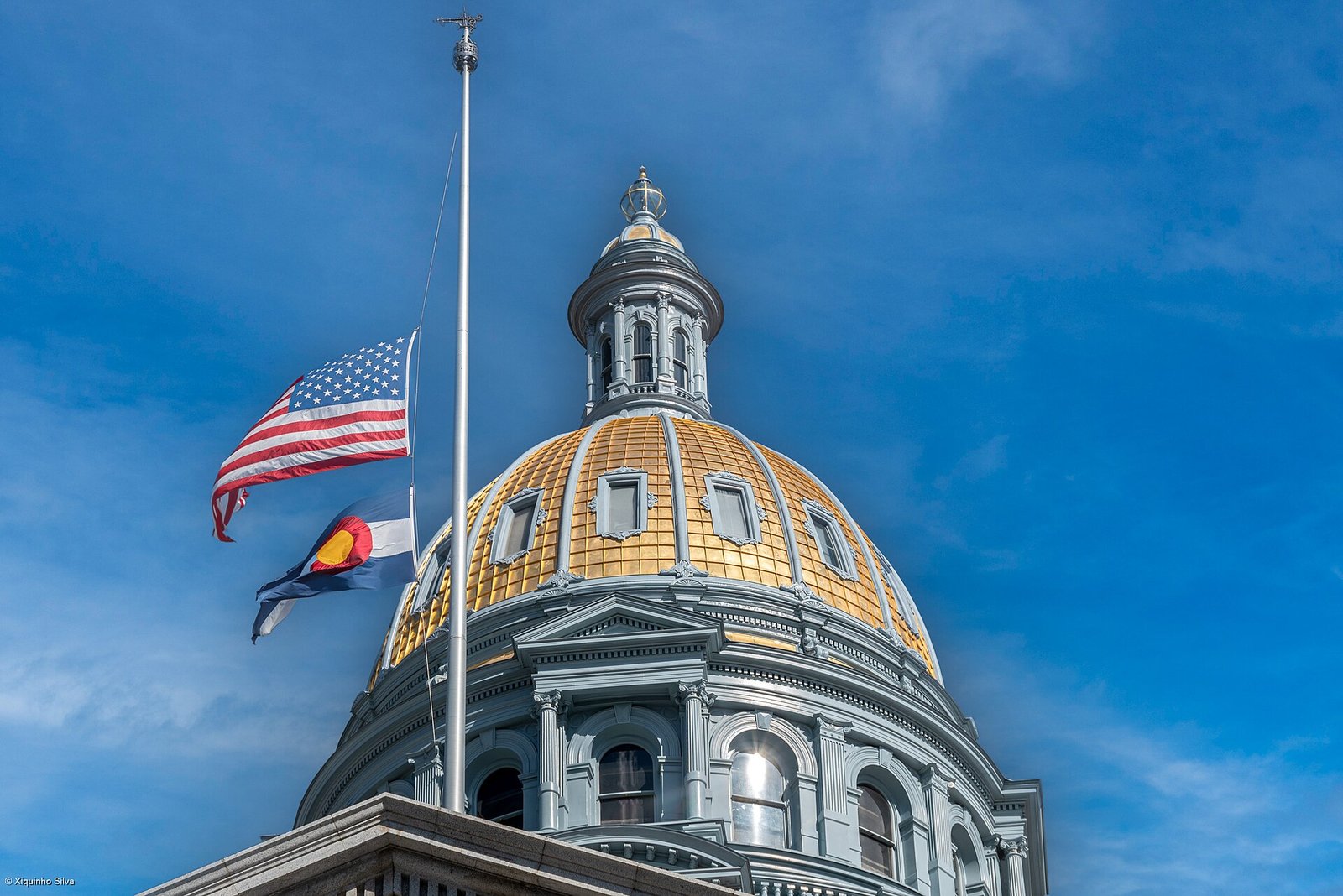
See RTD →Official siteColorado State Capitol & the mile-high step Civic landmark — Civic Center
Strengths
- The city's defining fact, made physical: a step on the west side is marked at exactly 5,280 feet — one mile above sea level
- The marker itself tells a good story honestly — surveyors have placed it three times as measurements improved, and the current mark sits on the 13th step
- It anchors the Civic Center cluster, so the photo stop costs no extra travel: the art museum is its neighbour
Watch out
- It is a working capitol: tours, access and hours follow the building's own calendar and security rules — check before you build a morning on it
- The step is a marker, not a viewpoint platform; come for the fact and the building, not for a panorama
- Elevation varies across the metro area — the step is the official mile, not a promise that every Denver address sits at exactly that height
Best for: the Civic Center half-day, paired with the art museum — and the one photo that explains the whole trip.
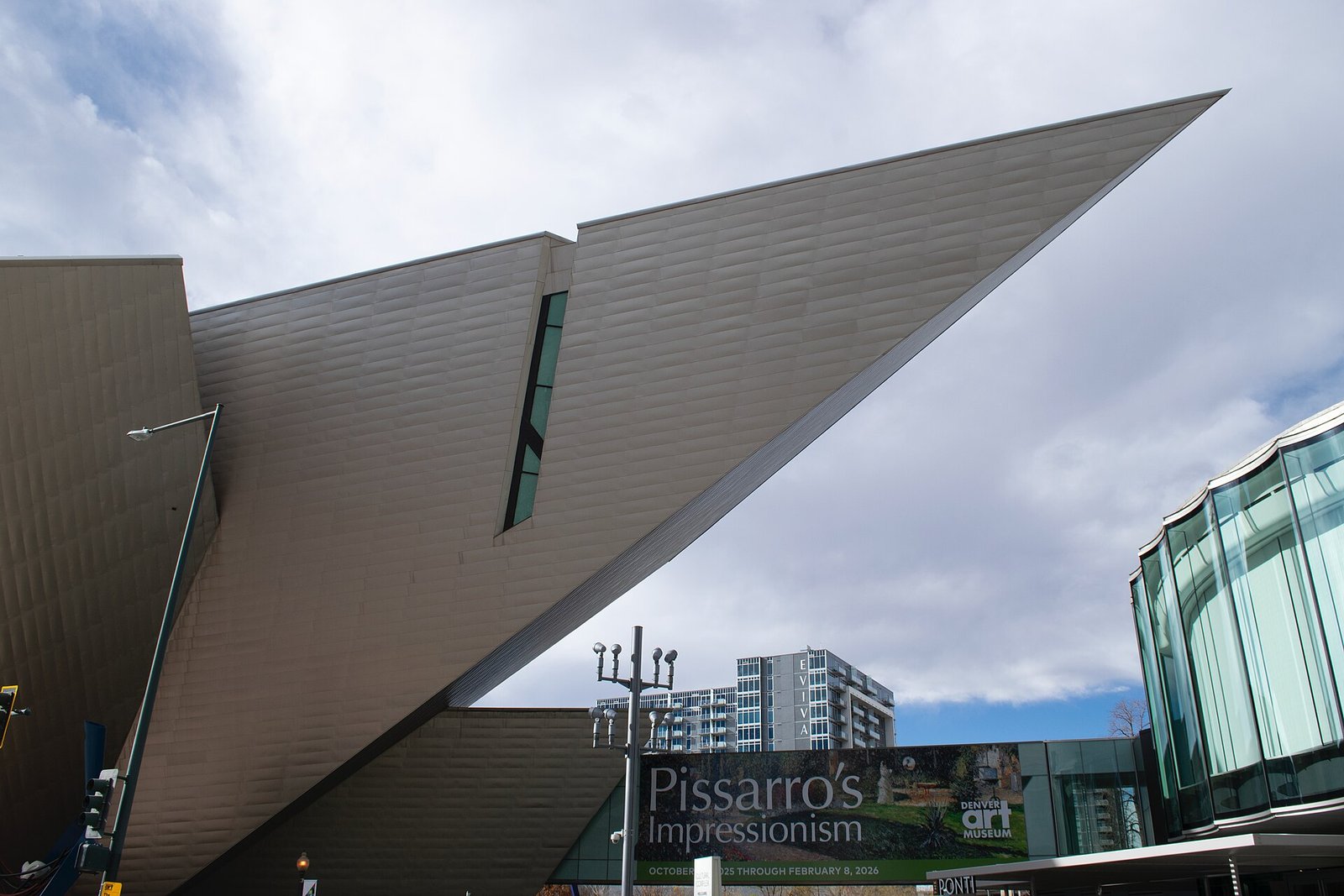
Browse Denver tours →Affiliate link — you pay the sameDenver Art Museum Art museum — Golden Triangle
Strengths
- The city's serious indoor anchor: a major collection in buildings that are sights in their own right
- It is the altitude plan's friend — a full, rewarding first day that asks nothing of your lungs while the city does its staging work
- It pairs with the Capitol and the Civic Center park into one no-transport half-day
Watch out
- It is big enough to swallow a day if you let it; choose wings rather than attempting the whole
- Hours, exhibition ticketing and any free-day arrangements are the museum's to set for your date — its own page is the word
- Blockbuster exhibitions change the crowd maths entirely; a quiet-weekday assumption fails on a big show's weekend
Best for: day one's anchor — culture first, altitude gently, mountains later.
See Denver Art Museum →Official siteThe park side — City Park and the gardens
City Park: Museum of Nature & Science and Denver Zoo Park cluster — east of downtown
Strengths
- Two of the city's biggest family venues share one park — the science museum and the zoo, with the park itself as the breathing space between them
- The science museum is the cluster's weatherproof half: a full indoor day lives here when the mountains say no
- The park setting keeps the day outdoors between buildings — picnics and lake paths are part of the product, not a gap in it
Watch out
- Both venues in one day is the classic overreach — each is a half-to-full-day anchor, and tired kids are the receipt
- Entry arrangements (including any reservation or timed structure for your date) are each venue's own — check both before promising children anything
- It is not downtown: build the ride east into the day rather than discovering it at the kerb
Best for: the family day — one anchor venue, the park around it, home before the altitude reminds anyone it exists.
Browse Denver tickets on GetYourGuide →Affiliate link — you pay the sameDenver Botanic Gardens Gardens — York Street
Strengths
- The gentle day, perfected: serious plant collections at walking pace, in the Cheesman Park side of the city
- It is the ideal second-day counterweight — beautiful, unhurried, and entirely at city altitude
- High-plains and water-wise planting here teaches you the landscape you are about to drive into
Watch out
- Mostly outdoors: in winter it is a crisp short visit, and in a summer storm it is not a plan B — check the day's weather honestly
- Special exhibitions and evening events change entry arrangements; the gardens' own page carries the current rules
- It rewards slowness — scheduled tightly against a zoo or museum day, it becomes the thing you rushed
Best for: the staging day — gardens in the morning, an early night, the mountains tomorrow.
See Denver Botanic Gardens →Official siteThe altitude layer — staging, honestly
Denver's nickname is a measurement, and the measurement has consequences — but they are routinely both exaggerated and understated, so here is the honest middle, in the CDC's framing. This is general information for planning, not medical advice.
Arrival — the A Line decision
Red Rocks — the foothills half-day
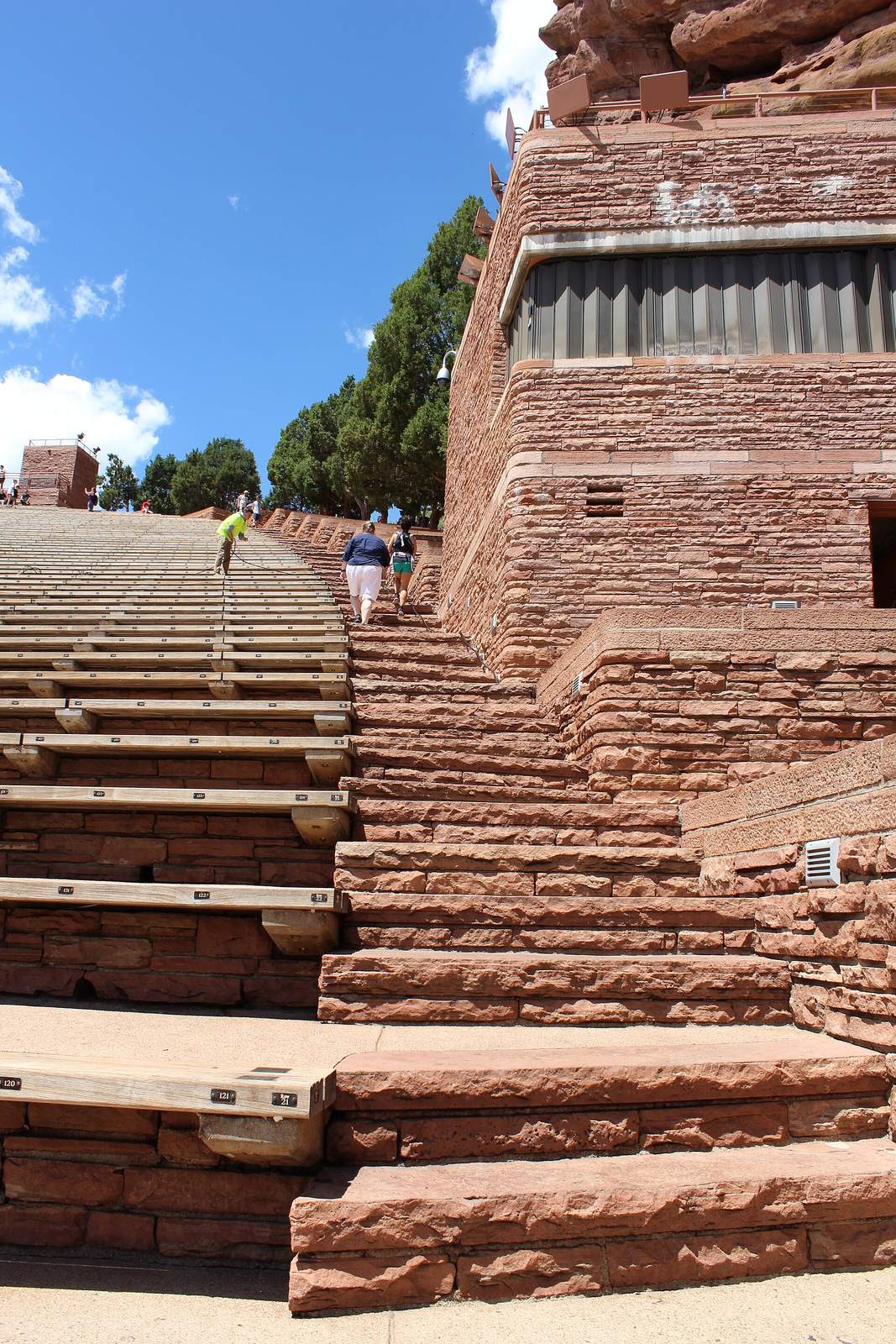
Red Rocks Park and Amphitheatre Denver mountain park — Morrison
Strengths
- A concert bowl built into tilted red sandstone in a city mountain park — there is nothing else quite like it, and the park around it is the daytime visit
- It is the perfect altitude-era excursion: foothills height, a half-day's shape, home in the city for dinner
- On a concert night it becomes the trip's headline evening — few venues anywhere carry a show like this one
Watch out
- It sits in Morrison, west of the city: a road trip with no rail answer, so it needs a car, a tour or a deliberate rideshare plan — including the ride back
- Event days change what daytime visitors can access inside the amphitheatre; the venue's own calendar decides, not this page
- The steps and slopes are the attraction and the workout: at foothills altitude, the amphitheatre's own stairs will introduce you to thin air honestly
Best for: the day between city and national park — foothills first, high country after.
See Red Rocks →Official siteThe gate — Rocky Mountain National Park as a day trip
Everything before this section was Denver being generous. This section is about a park that is not — by design. Rocky Mountain National Park protects a fragile alpine world by rationing its busiest hours, and the visitor's job is to treat the gate as part of the trip rather than an insult to it. Start from the dated status box at the top of this page: the system described there is 2026's, it will be re-decided for your year, and the park's own pages are the only current word.
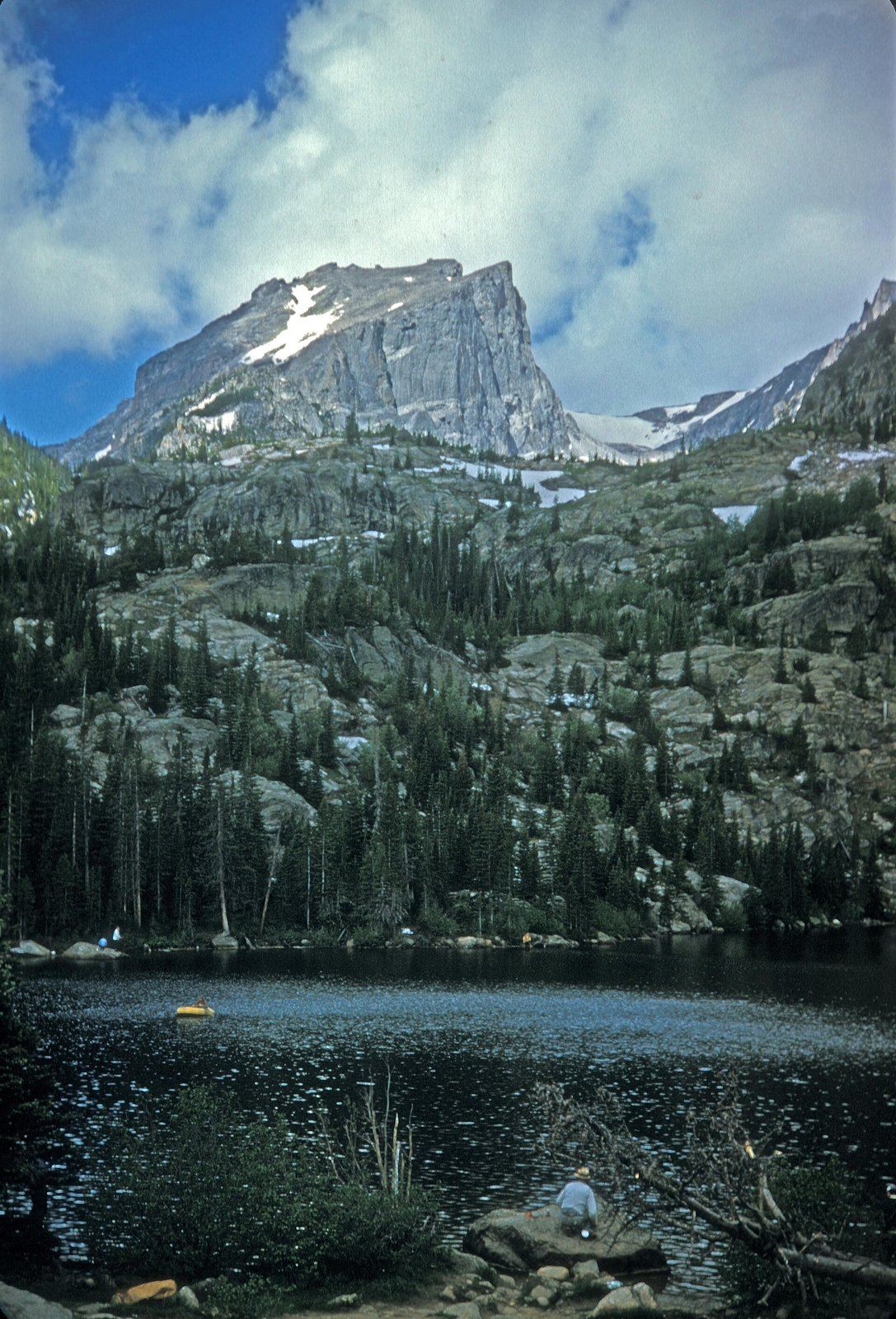
Rocky Mountain National Park National park — via Estes Park
Strengths
- A genuine alpine national park within a day trip of a major city — Bear Lake Road's lakes and trailheads below, Trail Ridge Road's tundra above
- Trail Ridge Road is the highest continuous paved road in the United States by the park's own description, cresting at 12,183 feet and crossing between Estes Park and Grand Lake in its summer season
- The timed entry system, whatever its friction, protects the experience inside: the park you enter at a managed hour is calmer than the alternative
Watch out
- In season, the gate is real: at the system's hours you need the right reservation type for the right corridor, booked through Recreation.gov — it is not sold at the entrance, and a park pass alone is a separate thing from a timed entry reservation
- It is a full day, early and high: from Denver it consumes the day entirely, and its highest road more than doubles the altitude you slept at — the staging rule is not decoration here
- Trail Ridge Road is seasonal and weather-closed in winter, and alpine weather rewrites summer days too; the park's road status page outranks every plan, including this one
Best for: the trip's summit day — planned first, booked the moment your year's reservations open, and taken after your Denver staging days, not before them.
See Rocky Mountain NP on NPS →Official site Browse guided park day trips →Affiliate link — you pay the sameWhich Denver is yours?
Decisions that actually matter
Will the altitude make me sick?
This page cannot tell you that, and you should distrust any page that does. What can be said honestly: Denver sits at 5,280 feet, the CDC's altitude-illness guidance concentrates on higher travel — above roughly 8,000 feet, and sleeping higher — and responses vary by person. Stage in the city, pace the first days, read the CDC's own pages if your trip sleeps high, and talk to your doctor beforehand if you have a medical condition. Feeling genuinely unwell at altitude is a reason to rest, descend and get care.
Do I need a reservation for Rocky Mountain National Park?
In season, at the busy hours, yes — that was the park's structure in 2026, set out in the dated status box at the top of this page: a general timed entry reservation, a separate one for the Bear Lake Road corridor, booked only through Recreation.gov and separate from the park entrance pass. The park re-decides the system each year, so for your dates the answer lives on the park's own timed entry page — check it before you build the day, not at the gate.
Train or car from the airport?
Train, for a city-first trip: RTD's A Line runs the 23 miles between the airport and Union Station, and RTD puts the ride at approximately 37 minutes, ending in the middle of LoDo. Take a car when the trip leaves the city on arrival day — or rent later, on the morning you actually need wheels, and skip the downtown parking days.
Can I do Rocky Mountain and Red Rocks in one day?
You can drive past both; you cannot do both. The park is a full, gated, early day northwest; Red Rocks is a foothills half-day west. They are the two best days of a Denver trip precisely when each gets its own day — combining them turns both into windscreen time.
Is Denver just a gateway, then?
No — and treating it as one is the commonest Denver mistake. The station, the capitol step, the art museum, City Park and the gardens are a real two-day city. Denver is a destination that also happens to be a gate; the staging days the altitude asks of you are the same days the city rewards.
Why are there no prices on this page?
By design. This is the route layer — clusters, order, staging, gate structure — and routes should not drift every time a fare or fee changes. When you want these days costed, the budget planner works from example figures labelled as examples, and RTD, the park and each venue hold the live figures on their own pages.
Prices and terms change often — the booking site is the final word. Timed entry rules, road status and museum hours all change by season and by year; check the operator's own page for your date. Facts on this page checked against official pages, November 2026.


