
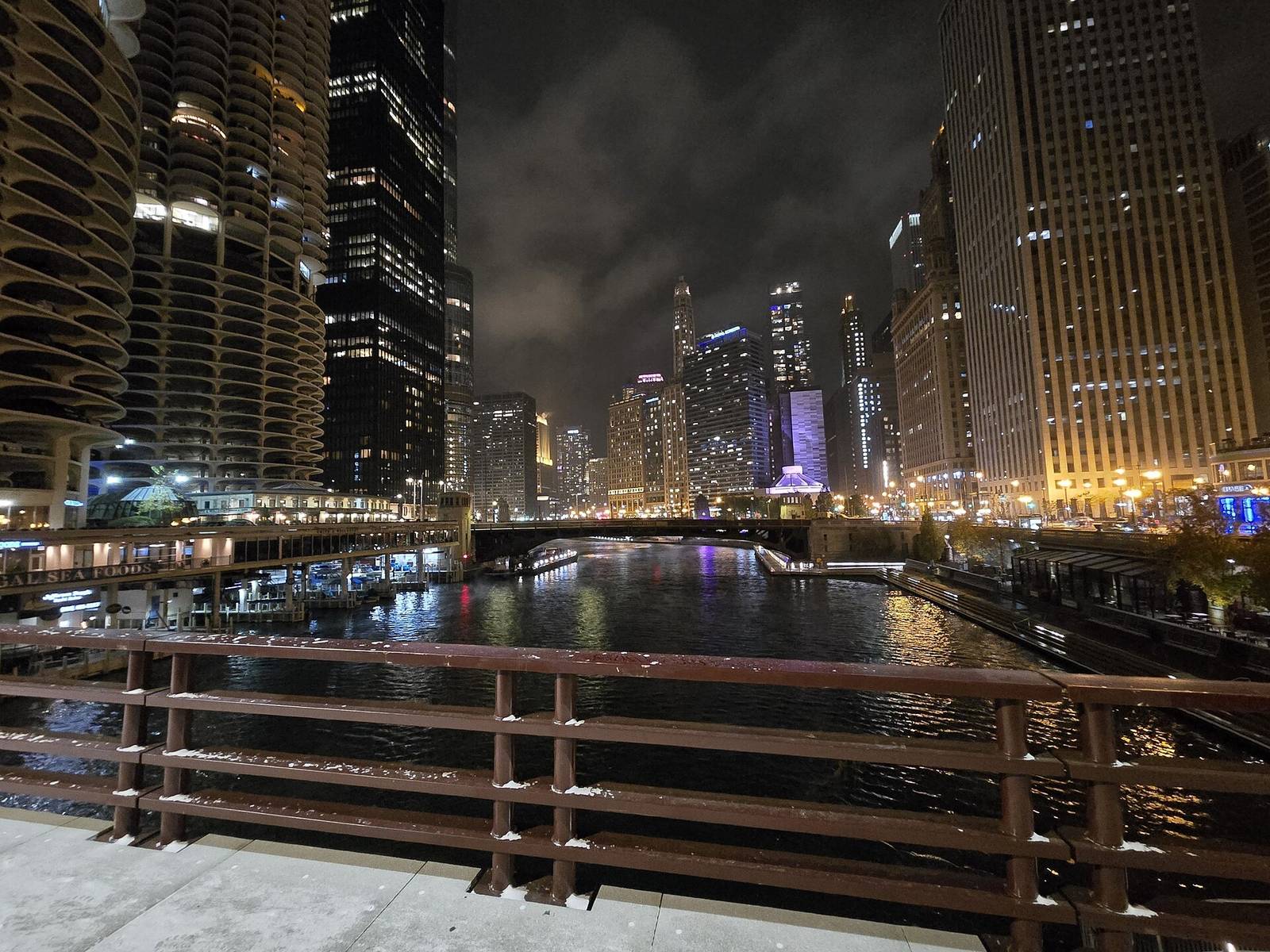
🏙️ Chicago — architecture, lake, and the winter variable
Chicago is the rare American city that explains itself from the water. The river cut a grid of movable bridges through a downtown built as an open-air architecture museum; the lake sets the eastern edge and the weather; and the 'L' train stitches both airports and every cluster to the Loop. Plan this city as three layers — the architecture layer (the river and the tour that reads it), the lake layer (the lakefront, Millennium Park, the Museum Campus), and the winter layer (a normal year here carries roughly 38 inches of snow, and the plan has to bend around that). This page covers all three: the CTA's two airport trains, the architecture cruise and its ticket rules, the pass structure, and days that work in January as well as July.
The lay of the land — river, Loop, lake
Chicago clusters kindly: almost everything a first trip wants sits within the Loop, the river's edge, and the lakefront strip behind it. The table is the map; the cards carry the booking detail.
| Cluster | What's there | How admission works | Watch out |
|---|---|---|---|
| The river & the Loop | Architecture river cruise · Riverwalk · Willis Tower (Skydeck) · Art Institute · the theatre and business core | The signature cruise is one official nonprofit-run product with hard ticket rules; the Riverwalk itself is public ground | Cruise tickets are non-refundable, and tickets bought through StubHub are explicitly invalid — official channels only |
| Millennium Park & the Mag Mile edge | Cloud Gate (the Bean) · Pritzker Pavilion · Crown Fountain · 360 CHICAGO observatory | The park is free public ground; the observatory is a separate timed product, and its TILT platform is an extra beyond any standard ticket | Park and observatory are neighbours, not a bundle — don't let proximity blur two different purchases |
| Museum Campus | Shedd Aquarium · Field Museum · Adler Planetarium on one lakefront campus | Three separate museums sharing one geography — the pass treats them as three separate choices or inclusions | A campus day is a full day: the three together are a plan, not a stroll |
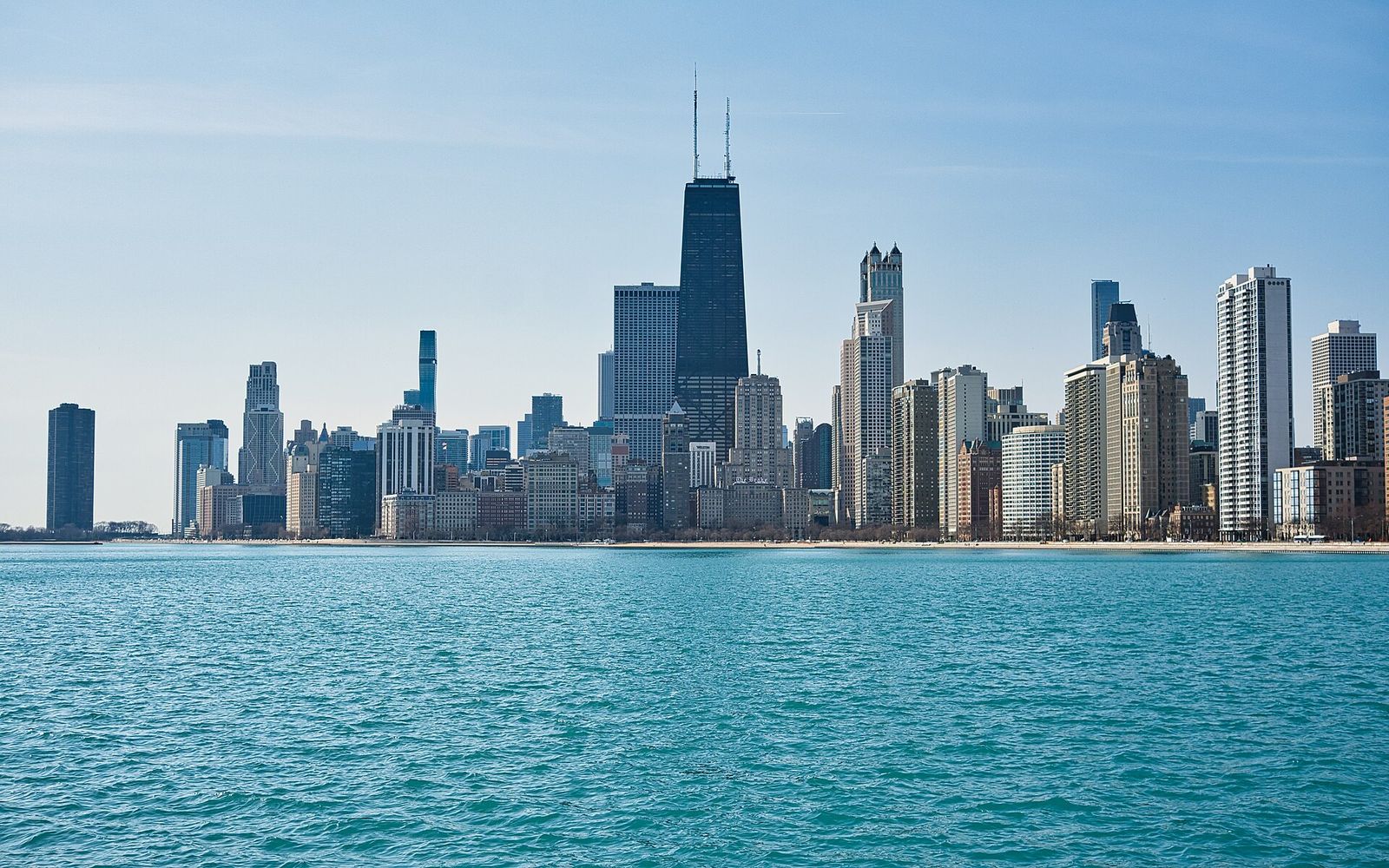
| The lakefront | Miles of public lakefront · beaches in season · the skyline view from the water's edge | Public space — the view is free | The lake is a weather engine: the same shore that hosts summer beaches runs several degrees colder than inland in spring |
| Griffin Museum of Science and Industry | The great science museum in Hyde Park, south of downtown | A pass choice, not a Loop neighbour | It is its own expedition with real travel at both ends — schedule it like one |
The architecture layer — the cruise that reads the city
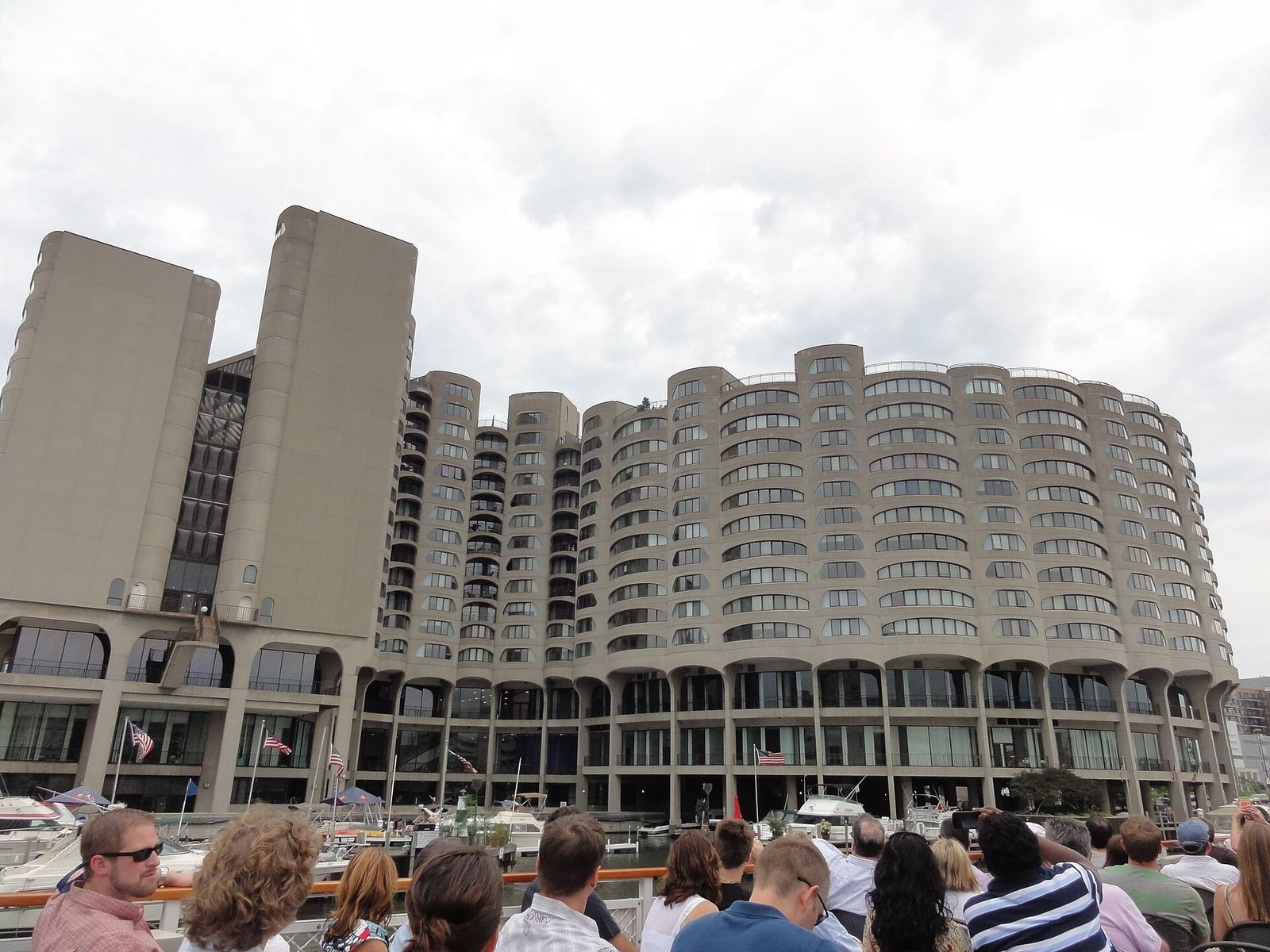
Chicago Architecture Center River Cruise aboard First Lady River cruise — official nonprofit tour
Strengths
- This is the city's defining tour format: 90 minutes covering all three branches of the Chicago River and more than 50 buildings, narrated by docents certified by the Chicago Architecture Center — the nonprofit that runs it
- The boats pair an open-air upper deck with a climate-controlled lower cabin, so the same ticket bends with the weather rather than breaking
- The dock is central — the Michigan Avenue Bridge at Wacker Drive, on the Riverwalk's edge — and the Architecture Center's own building, with its city model exhibition, is steps away at 111 E Wacker
Watch out
- The ticket rules are hard: refunds and exchanges are not permitted, and the Center states plainly that tickets purchased through StubHub are not valid — buy through its official channels (Ticketmaster or the Center's box office) only
- Arrive at the dock at least 30 minutes before departure; this is a boat with a sailing time, not a walk-up attraction
- It is seasonal. In the operator's current calendar the season runs from mid-March to late December — the deepest winter weeks are planned on land
Best for: the first full day — the cruise is an orientation instrument: after it, the whole downtown grid reads differently. Our boats comparison places it among the country's harbour and river products.
Architecture Center river cruise →Official siteMillennium Park & the two observatories
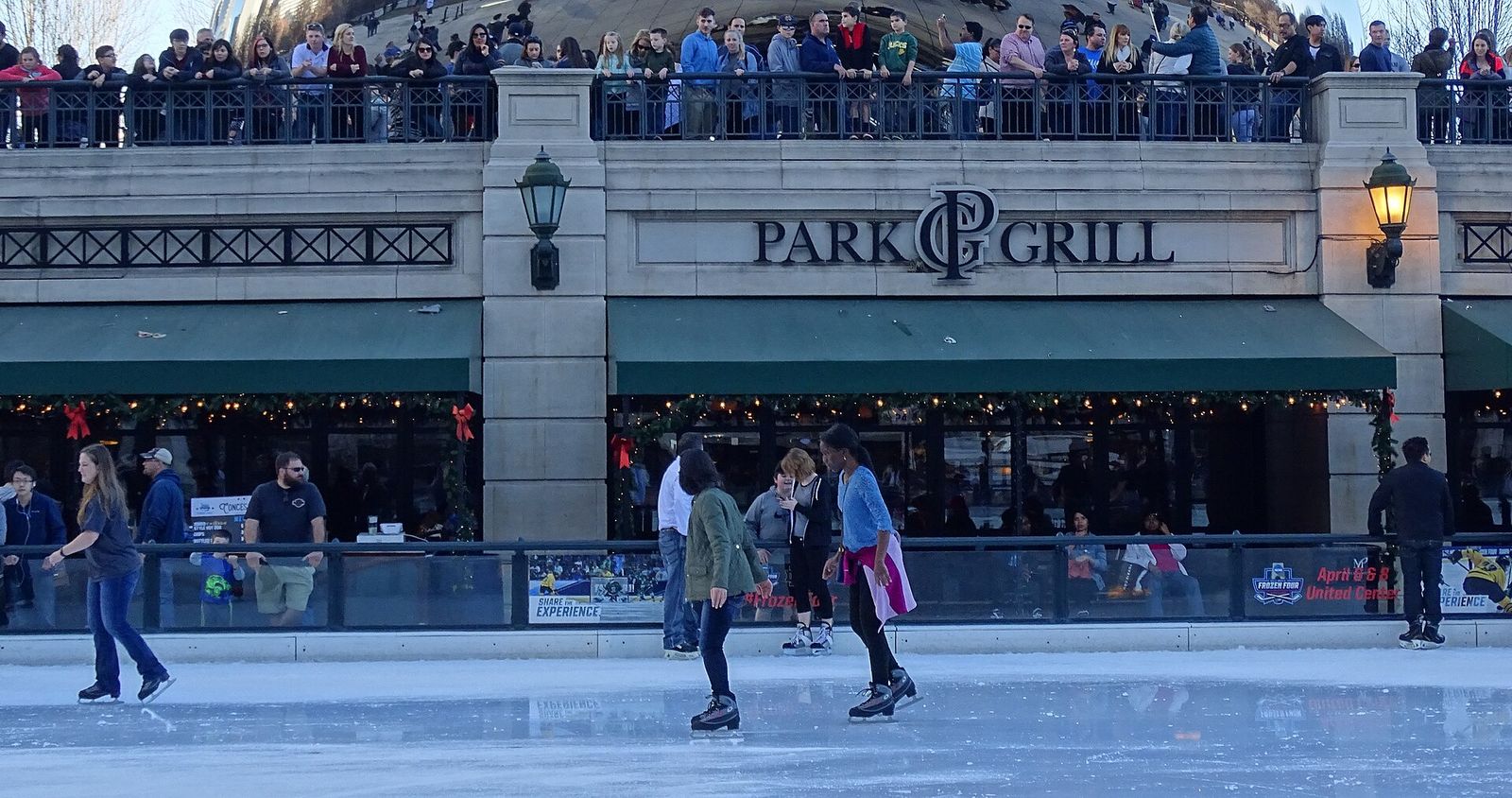
Millennium Park & Cloud Gate Public park — no ticket
Strengths
- The city's own page leads with what the park is: a Loop park running hundreds of free cultural programs a year, holding Anish Kapoor's Cloud Gate — the Bean — the Pritzker Pavilion, Crown Fountain and the Lurie Garden in one walkable ground
- It stitches the clusters together: the Art Institute is its southern neighbour, the Riverwalk minutes north, the lakefront just east
Watch out
- Free ground still has rhythms: the Bean at midday is a crowd scene, and event days at the Pavilion reshape the park around a concert you may not be attending
- Winter changes the cast, not the quality — the photo above is the park in its skating season; go expecting the season you booked
Best for: the connective morning — Bean, park, Art Institute — before the river in the afternoon.
Millennium Park — city page →Official site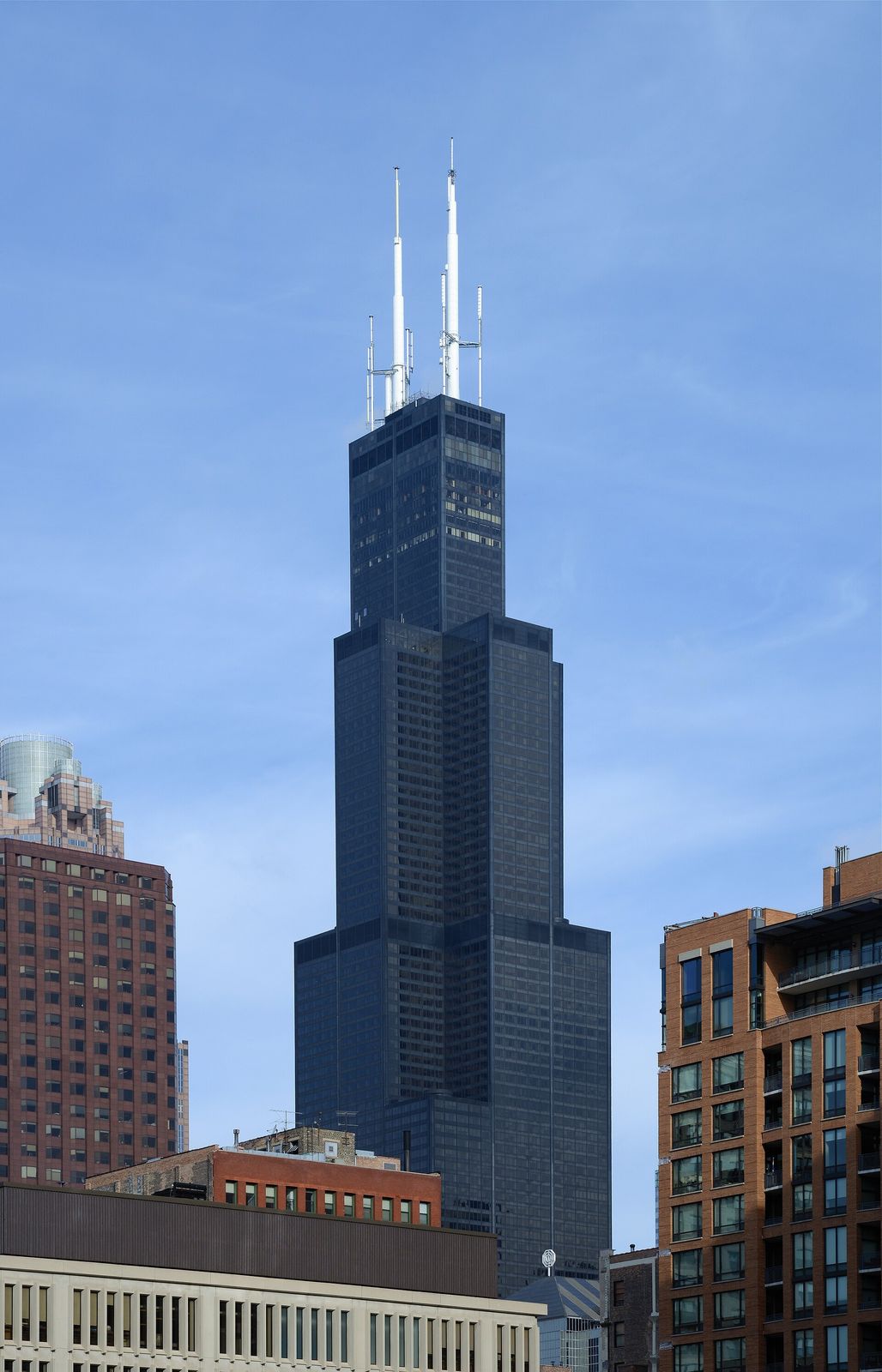
Skydeck Chicago & 360 CHICAGO Two observatories — different bargains
Strengths
- Skydeck, on the 103rd floor of Willis Tower in the Loop, builds its visit around The Ledge — glass balconies extending from the facade — and the CityPASS inclusion here is the expedited-entry version with The Ledge included
- 360 CHICAGO, up the Magnificent Mile, is the lake-facing deck: its view axis runs over the water and the north shore rather than the Loop's grid
Watch out
- 360's signature extra, the tilting glass platform TILT, is not part of general admission and is not included in passes — pass holders get at most a discount on it. Budget the decision separately
- Two decks on one trip is a choice to make on purpose: Loop grid from the west side, lake and shore from the north — the views differ, the ticket logic doesn't merge
- Winter clarity cuts both ways: the coldest days often carry the clearest air of the year, and the lake-ice view is a Chicago-only sight — but lake-effect cloud can also close the view without asking
Best for: one deck per trip for most travellers — Skydeck if the Ledge is the point, 360 if the lake is.
The Museum Campus & the Art Institute
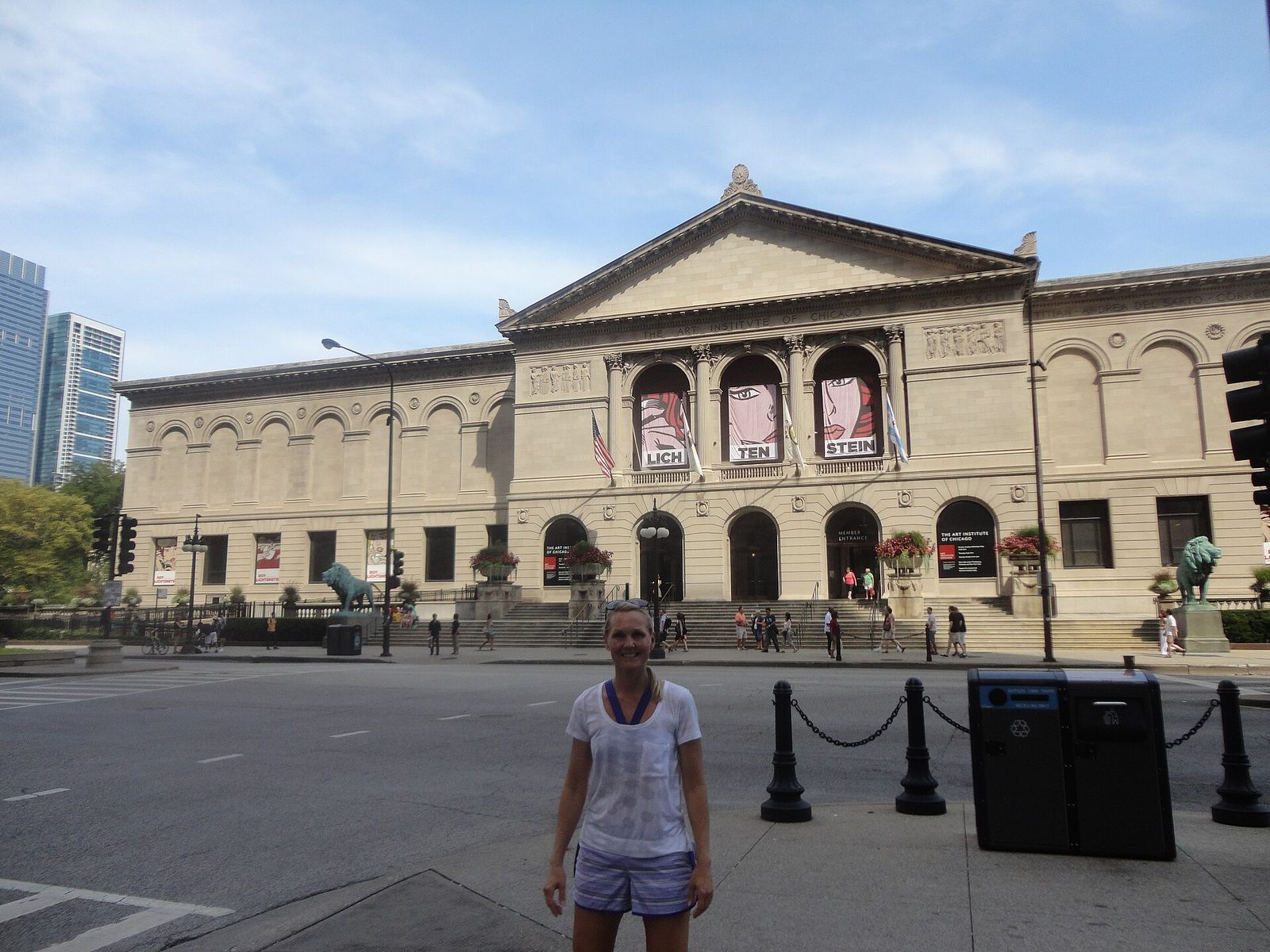
Art Institute of Chicago Art museum — pass fast-pass inclusion
Strengths
- It stands at the seam of the clusters — Grant Park and Millennium Park to the north, the Loop behind it — so it pairs with the Bean and the park without a transit leg
- In the CityPASS structure it enters as a Fast Pass admission: permanent collection plus non-ticketed exhibitions, skipping the general line
Watch out
- It is one choice among several in the pass's pick-three — taking it spends a slot the Field Museum or 360 CHICAGO might want; choose the three as a set, not one at a time
- Ticketed special exhibitions sit outside the fast-pass inclusion's wording — check the exhibition you came for against the current terms
Best for: the Loop day's indoor anchor — and the winter day's main event.
CityPASS in Chicago — two fixed, three chosen
Chicago's CityPASS is a fixed-two-plus-pick-three structure: Shedd Aquarium and Skydeck Chicago are in every pass, and you choose three more from the Architecture River Tour run by Shoreline Sightseeing, the Field Museum, 360 CHICAGO, the Griffin Museum of Science and Industry, the Art Institute of Chicago, and the Adler Planetarium. The choices do not have to be fixed when you buy. The pass runs nine consecutive days from first use, unactivated tickets keep for a year, and CityPASS advertises savings of up to half against gate prices — the maker's headline for the full-price combination; what you save depends on which three you pick and whether you would have paid full price for them. A shorter sibling, Chicago C3, sells any three from a slightly wider list that adds the Navy Pier wheel. The inclusions are deliberately uneven, and the unevenness is the reading that matters.
Pass line-ups change — this structure was checked against CityPASS's own published Chicago list in November 2026. Judge any pass from its current page, and from your fixed plans, not from a savings headline.
Two airports, two trains — the 'L' does the arrival
The CTA counts Chicago among the few cities in the world with rail service to two major airports, and the two lines are not interchangeable — the table is the whole decision. Fares and pass prices live on the CTA's own pages; what follows is the structure that chooses your airport. Our flights comparison and airport transfers comparison carry the wider market.
| Airport | The train | The shape of it | Watch out |
|---|---|---|---|
| O'Hare (ORD) | Blue Line — from inside the airport | Runs around the clock, every day: the airport station is the end of the line, and every train from O'Hare runs through downtown. The all-hours railway is the arrival insurance for red-eyes and delays | The far airport: the ride is the long one, and the line is a working commuter railway, not an airport express — judge it by reliability, not speed |
| Midway (MDW) | Orange Line — from the airport station | Every train runs to the downtown Loop, and the airport is the closer of the two. Service runs all day, every day — but not through the overnight hours | The overnight gap is the whole caveat: a very late arrival or a pre-dawn departure can fall outside the railway's day |
The winter layer — plan for the city the normals describe
NOAA's 1991–2020 normals for Chicago O'Hare describe the real planning environment: roughly 38 inches of snow in a normal year, with January the snowiest month and December and February close behind; a January whose average high sits in the low 30s Fahrenheit and whose average low sits in the teens, with a handful of nights below zero in a normal year; and about 38 inches of precipitation overall, weighted toward late spring and summer. These are normals, not forecasts — any given week can miss them in either direction — but a trip designed for the normals survives the misses.
Which Chicago is yours?
Decisions that actually matter
O'Hare or Midway?
Both have their own 'L' line into the Loop, so choose by the clock and the map. O'Hare's Blue Line runs around the clock — it is the structural answer for late arrivals and early departures. Midway is closer and its Orange Line is the simpler daytime ride, but it does not run through the overnight hours. Where you sleep matters less here than in most two-airport cities, because both trains end in the same Loop.
Which architecture cruise is the real one?
There are two different products on the same river. The Chicago Architecture Center's cruise aboard First Lady is the nonprofit's own, narrated by its certified docents, with hard ticket rules — no refunds or exchanges, and StubHub-bought tickets are stated to be invalid. The river tour inside CityPASS is a different operator's boat (Shoreline Sightseeing). Both float past the same buildings; they are not the same ticket, and only one of them is the Center's.
Is the Chicago CityPASS worth it?
Run the fixed seats first: Shedd Aquarium and Skydeck are in every pass, so the pass only pays if both were already on your list. Then check your three picks against what you would genuinely pay for — and remember what no pass includes, like 360 CHICAGO's TILT. For a short trip built on the free layer, the shorter C3 format or direct tickets usually fit better.
How bad is a Chicago winter, really?
Plan by the normals: roughly 38 inches of snow in a normal year, January highs averaging in the low 30s Fahrenheit with lows in the teens, and some below-zero nights most years. That is a city that keeps working — trains run, museums open — but rewards tight clustering and honest clothing. The cruise season pauses in the deepest weeks; the architecture story moves indoors to the Center itself.
Do I need a car in Chicago?
Not for anything on this page: the Loop, the river, the Museum Campus and both airports are all on the 'L'. A car earns its keep on the day the trip leaves the city — our rentals comparison is the place for that decision — not for moving between this city's clusters.
Prices and terms change often — the booking site is the final word. Cruise seasons, station works, pass line-ups and transit fares all change by season and by year; check the operator's own page for your date. Facts on this page checked against official pages, November 2026.


