
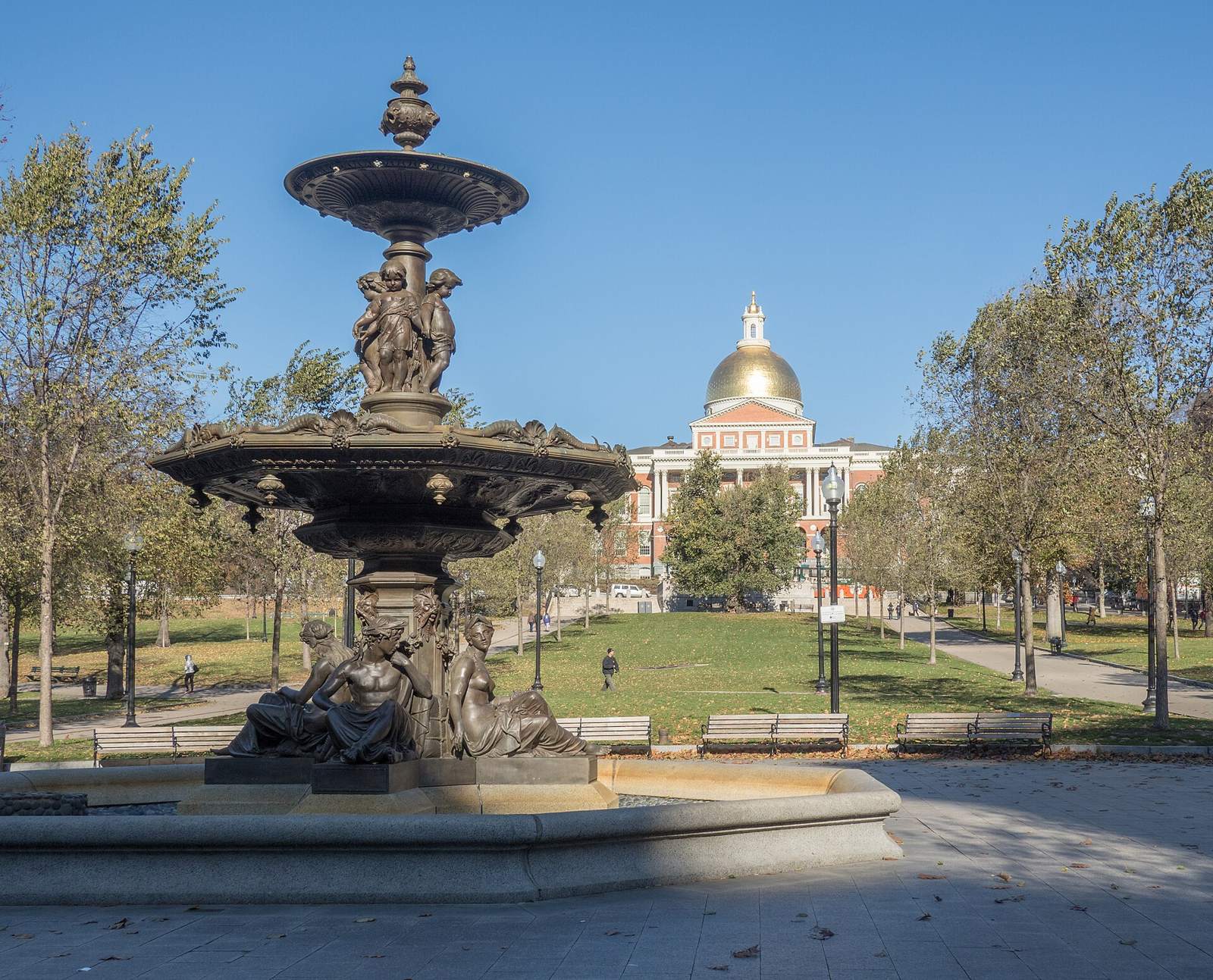
🏛️ Boston, planned on foot
Boston is the hub's test of the no-car city course: a historic core so compact that its main sightseeing structure is a marked walking line. The Freedom Trail runs from Boston Common to Charlestown, linking 16 official historic sites — meeting houses, burying grounds, a hall, a house, a church, a warship and a monument — and the MBTA, the T, puts the airport, the universities and the harbour a few stops from the same streets. The planning questions here are different from a driving city: which parts of the trail are free and which charge, in what order to walk it, and when the T beats your feet. This page covers how the trail and its sites actually work, how to cluster the days without a car, and the honest limits of the car-free plan — with no prices stated, because the partner sites set their own admission and publish it themselves.
The lay of the land — one walking line, four clusters
Almost everything a first visit needs hangs on one line. The Freedom Trail is the spine; Downtown and Beacon Hill sit at its start, the North End in its middle, and Charlestown across the Charles River at its end. Back Bay and Cambridge are the two extensions the T makes trivial. The table is the map; the cards below carry the detail — including the one thing most guides blur: the trail is free to walk, but it is not one ticket and not everything on it is free to enter.
| Cluster | What is in it | How it works | Watch out |
|---|---|---|---|
| Downtown & Beacon Hill | Boston Common · State House · Granary Burying Ground · Old South Meeting House · Old State House · Faneuil Hall | The trail's dense start: outdoor stops are open ground, the buildings are individual museums and halls | Each building keeps its own hours and admission — there is no trail pass that covers them all |
| North End | Paul Revere House · Old North Church · Copp's Hill Burying Ground | The trail's residential middle: small sites in Boston's Italian neighbourhood | The Revere House is small and queues form; the church is a working parish as well as a landmark |
| Charlestown | USS Constitution & Museum · Bunker Hill Monument · Navy Yard | The trail's end, across the river: a Navy ship, a museum and an obelisk in one outing | The ship requires security screening and photo ID for adults — it is an active Navy vessel, not a replica |
| Back Bay & Cambridge | Public Garden · Boston Public Library at Copley · Harvard & MIT across the Charles | The non-trail layer: reached on foot from the Common or in a few T stops | Cambridge is a separate city — close by the Red Line, but not a downtown stroll |
The trail itself — and its two anchors
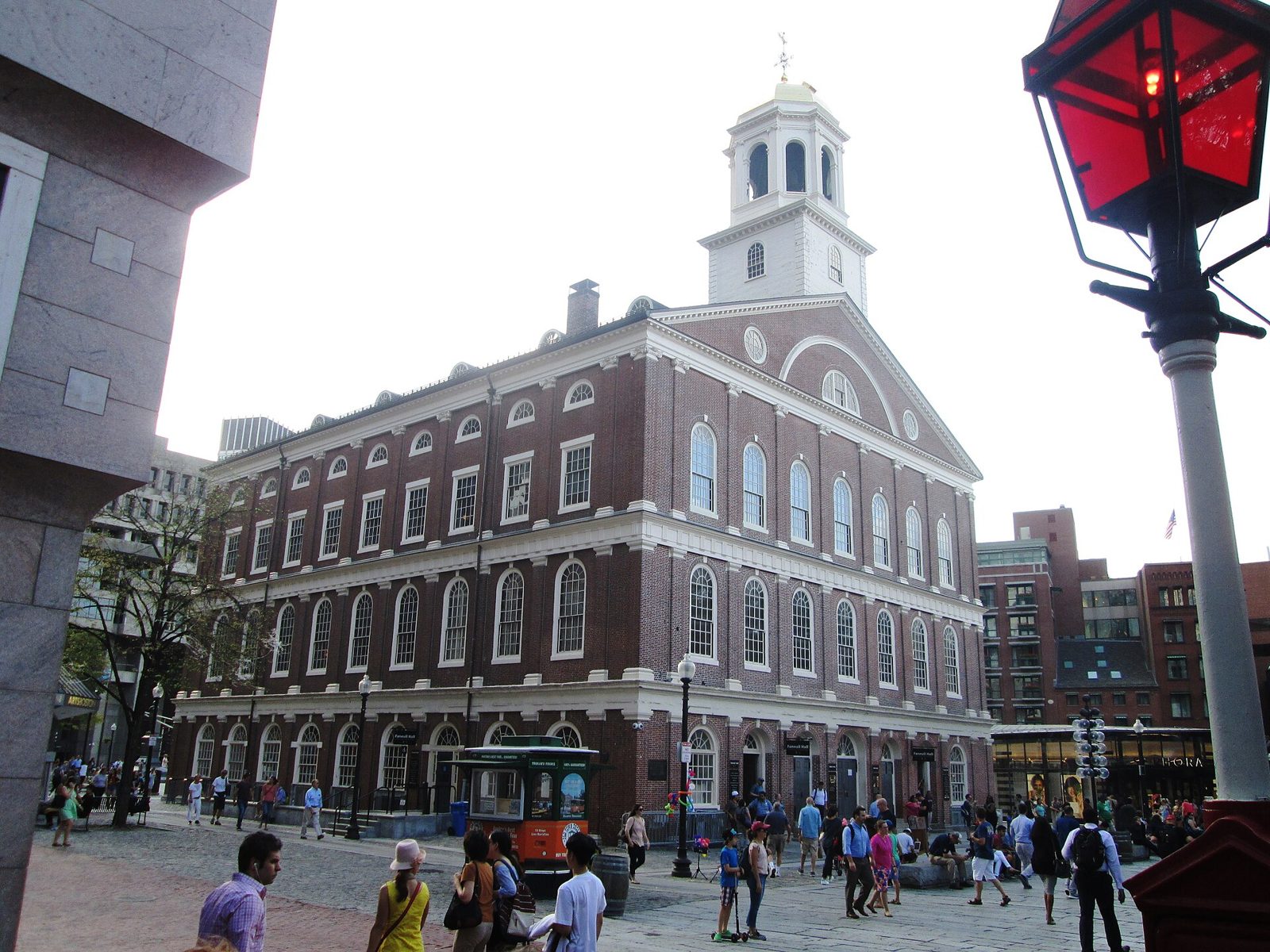
The Freedom Trail Walking route — 16 official sites
Strengths
- The most legible sightseeing structure of any US city in this hub: a red line in the pavement links 16 official sites from Boston Common to Bunker Hill, so the route needs no map decisions at all
- It is run as a partnership — the NPS operates visitor centres at Faneuil Hall and the Charlestown Navy Yard, offers ranger programmes and free self-guided audio tours, and the walk itself costs nothing
- The sites genuinely vary — a burying ground, a meeting house, a marketplace hall, a silversmith's house, a church and a warship — so the line teaches the Revolution from several rooms, not one museum's voice
Watch out
- Walking the line is free; entering is site-by-site. The NPS-run and city sites sit alongside independently run nonprofits — Old South Meeting House, the Old State House, the Paul Revere House and Old North Church among them — which set their own admission and hours
- It is a line, not a loop: you end in Charlestown, across the river from where you started, and the return is a walk back, a T ride or the harbour ferry
- The full line with interiors is a long day on your feet; the honest version splits it at the North End and gives Charlestown its own outing
Best for: the spine of the whole trip — walked in two halves, with the buildings chosen rather than collected.
See Boston National Historical Park →Official site Browse Boston tours →Affiliate link — you pay the same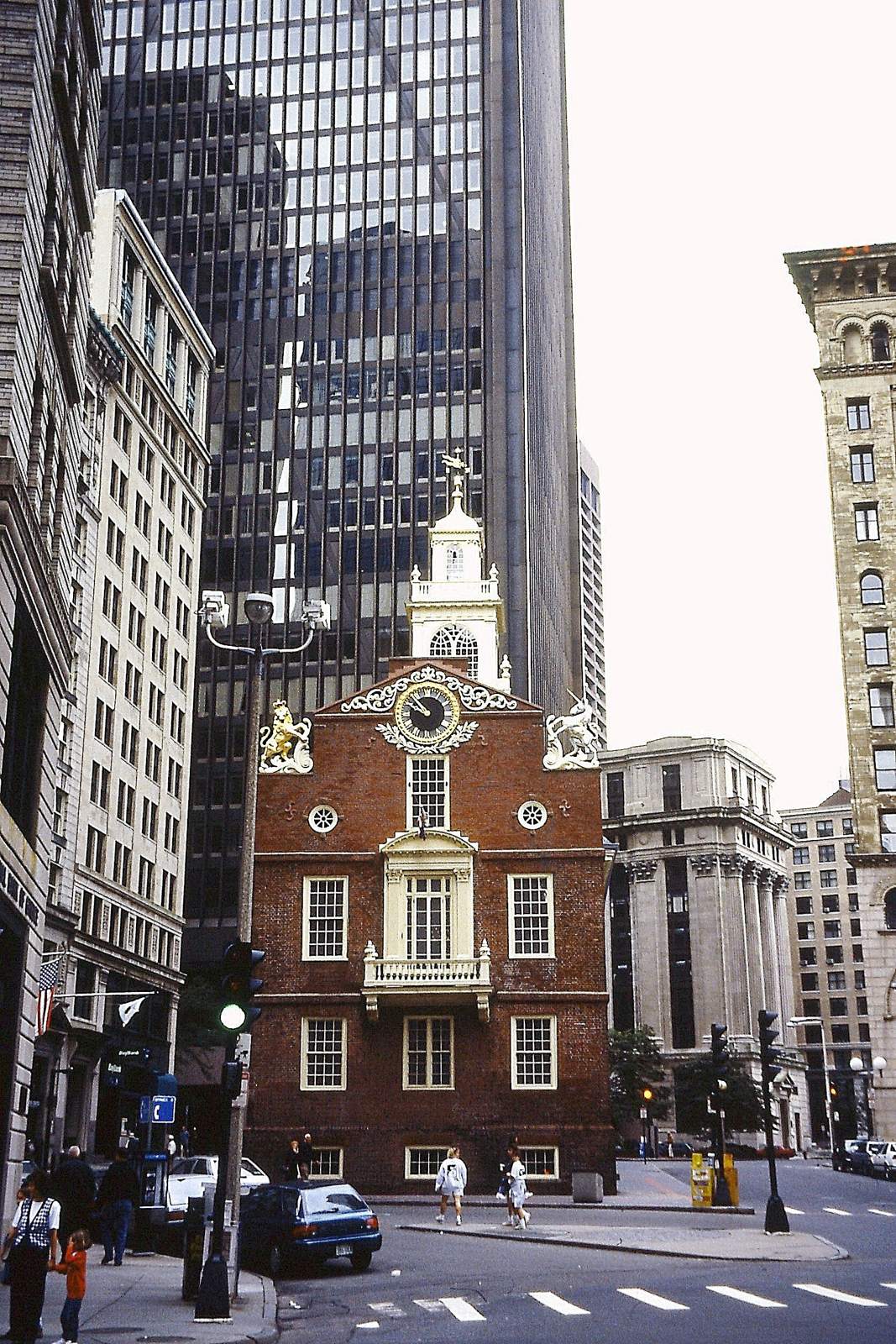
Old State House & Old South Meeting House Partner museums — downtown
Strengths
- The two indoor stops that carry the argument of the Revolution: the Old State House overlooks the Boston Massacre site and housed the royal colonial government; Old South was the meeting hall where the Tea Party arguments boiled over
- They sit a few streets apart on the downtown stretch of the trail, so the pair forms the natural museum core of a downtown morning
Watch out
- Both are run by an independent nonprofit, not the Park Service — admission, hours and any combined ticketing are theirs to set and change, and a national parks pass is not their ticket
- They are small, dense buildings; on a peak day the interiors, not the walk, are where the time goes
Best for: the substance stop of the downtown day — pick this pair over collecting every doorway on the line.
See the park's places to go →Official siteThe North End and Charlestown — the trail's second half
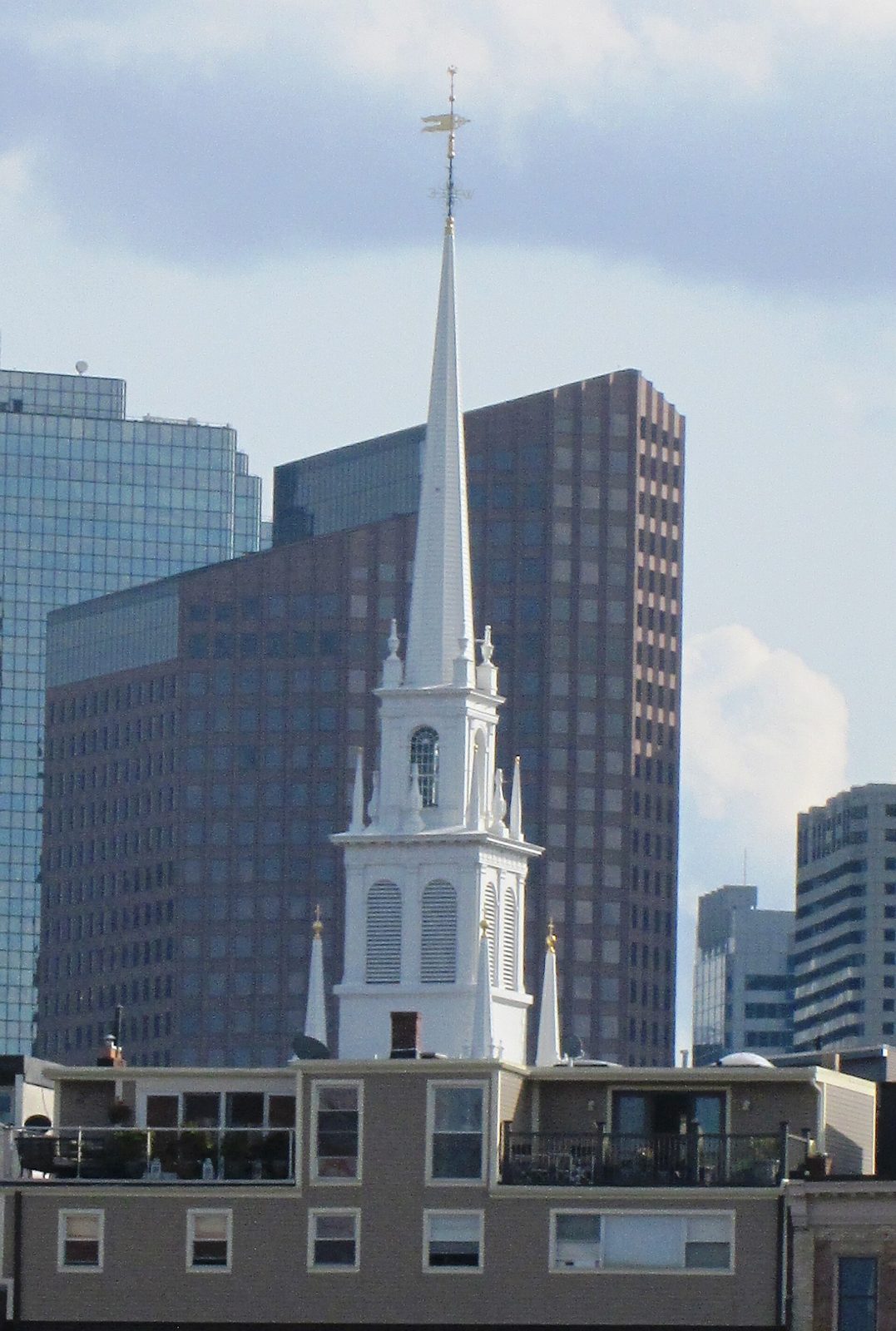
Paul Revere House & Old North Church Partner sites — North End
Strengths
- The Revere House is the oldest building in downtown Boston and the silversmith's own home — the trail's one domestic interior, a useful change of scale from halls and churches
- Old North Church, Boston's oldest standing church, carries the lantern story in the actual room — and the North End around both sites is the city's Italian neighbourhood, which makes this half of the trail the natural lunch district
Watch out
- Both are independently operated, with their own admission and hours; the church remains a working Episcopal parish, so services and events shape visiting
- The Revere House rooms are genuinely small — this is a short, rich visit, not a half-day museum
Best for: the second morning — trail's middle third, then lunch in the North End, then the river crossing.
See the park's places to go →Official site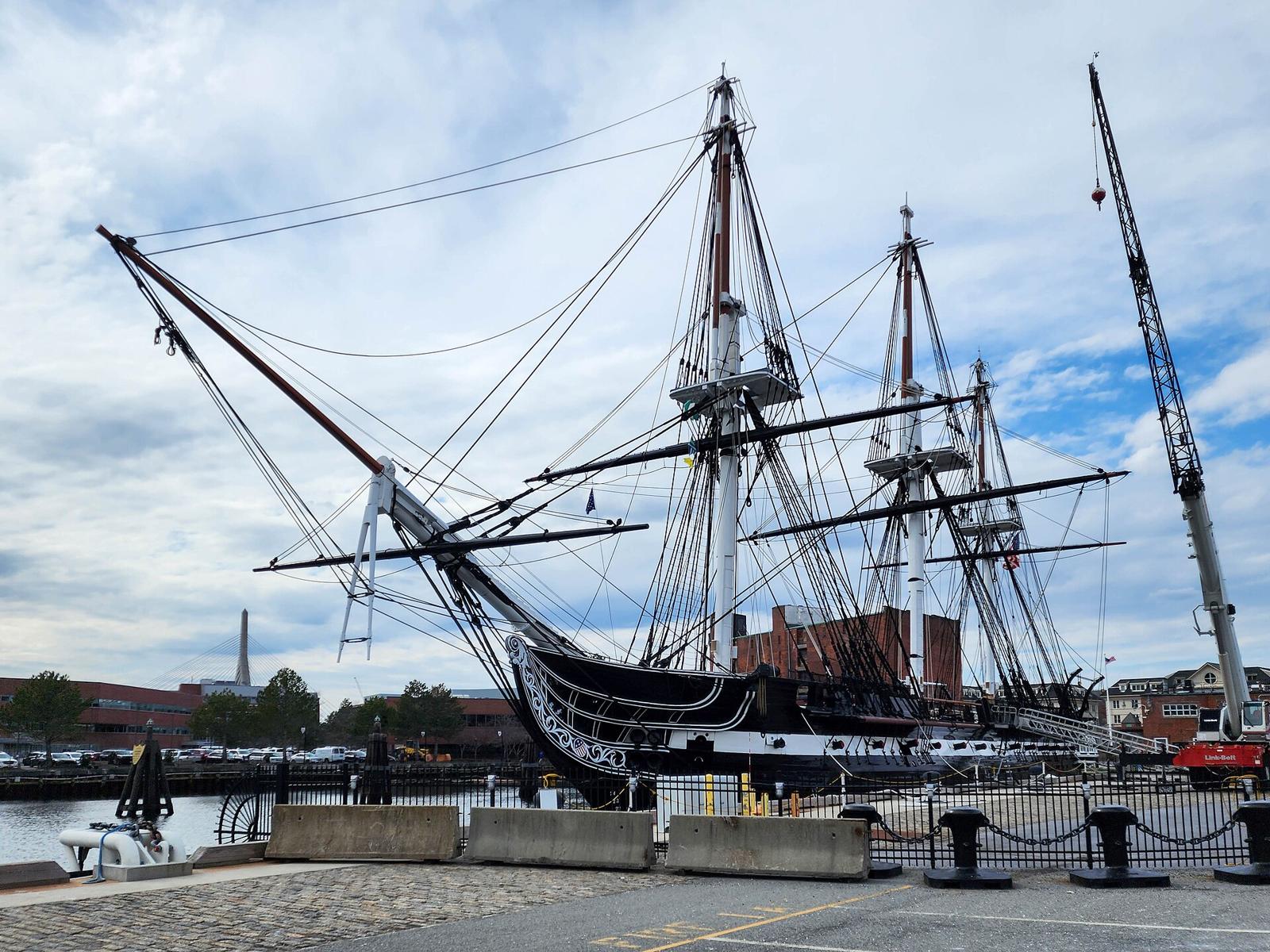
USS Constitution & the Charlestown Navy Yard US Navy ship & museum — Charlestown
Strengths
- The trail's best ending: the oldest commissioned ship in the US Navy, still crewed by the Navy, boarded in a working historic navy yard — with the NPS stating plainly that admission to the ship is free
- Across the pier, the USS Constitution Museum (admission by donation, per the NPS) supplies the story the decks can't, and the Bunker Hill Monument completes the Charlestown cluster in the same outing
Watch out
- Boarding means security screening, and visitors 18 and older must present a valid federal or state photo ID — the NPS's own condition, and the one that catches visitors out
- Ship, museum and monument are three operators with three calendars; the ship's Navy schedule, not the trail's, decides whether you board
Best for: the finale outing — Charlestown as its own half-day, not the tail of an exhausted full-trail day.
See USS Constitution →Official siteBeyond the trail
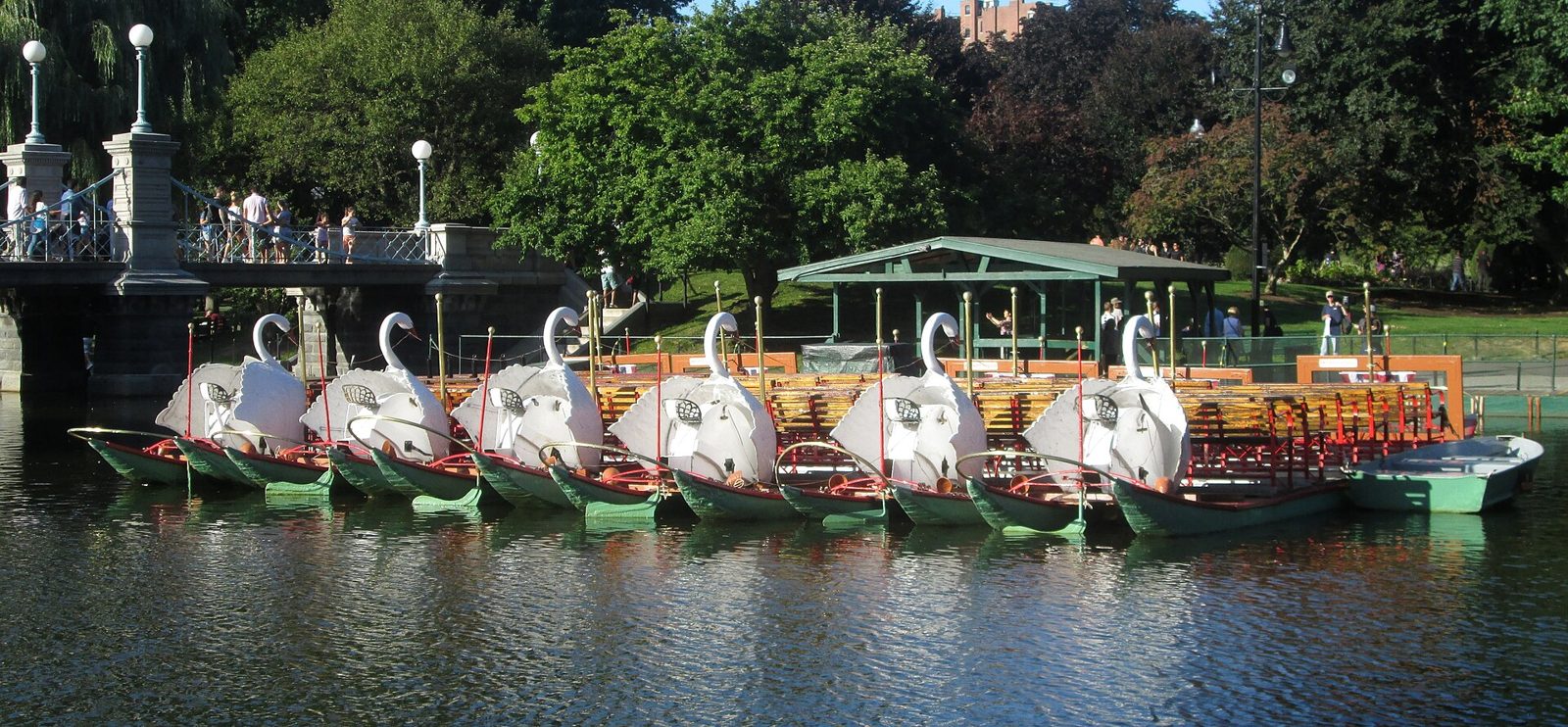
Boston Common, the Public Garden & Back Bay Parks & library — the counterweight
Strengths
- The trail starts on Boston Common, the city's central green, and the Public Garden beside it — with its Swan Boats — is the trip's built-in pause: open ground, no ticket, no queue
- Back Bay extends the walk west: Commonwealth Avenue and Newbury Street for the stroll, and the Boston Public Library's central branch at Copley Square — a working public library whose historic building is itself a sight, and free in the way libraries are
Watch out
- The Swan Boats are a seasonal, operator-run pleasure, not a year-round fixture — treat them as a bonus on the day, checked with the operator or the city, never as a plan's load-bearing wall
- Back Bay is the shopping-and-hotels Boston; it rewards wandering more than scheduling, which cuts both ways on a short trip
Best for: the afternoon that balances the history — and the base question: sleeping in Back Bay keeps both the trail and this layer on foot.
See Boston Public Library →Official siteBoston Harbor Islands National & state park — ferry season
Strengths
- The third of Boston's three national park units is in the harbour itself: an island park, run jointly by the NPS and the state, that turns a city trip into a water trip without leaving the city
- It is the natural second-day contrast to the trail — fort, shoreline and skyline views instead of meeting houses
Watch out
- Access is by ferry and therefore seasonal and schedule-bound; which islands are served, and when, is the park partnership's current timetable question, not a standing fact
- An island day is weather-exposed in a way the downtown day never is — it is the module to hold loosely, not to book the trip around
Best for: a fair-weather second or third day — checked against the current ferry season before it enters the plan.
See the National Parks of Boston →Official siteWhich Boston day is yours?
The city course in this hub's sense: half-day modules first, then the one-day build, then what a second day honestly adds. Slots, not timetables — the sites publish their own hours, and the trail sets the walking order.
Getting around — the no-car city, tested
What about money?
Deliberately, this page carries no budget table and no stated prices — that is this hub's standing rule for city courses, because Boston's costs are set per site and per date by the operators themselves. The structure worth knowing is simple: the walk, the burying grounds, the Common and the ship are free; the partner-site interiors and any guided tours are where the money concentrates, each on its own admission. For worked numbers, our budget calculator builds example budgets for US trips — treat every figure there as an example to adjust, not a quote — and our travel cards comparison covers paying for it all without foreign-transaction surprises.
Decisions that actually matter
Is the Freedom Trail free?
The walk is — the line in the pavement, the burying grounds, Faneuil Hall's NPS side and USS Constitution itself carry no admission. What is not free is every interior: several trail sites are run by independent nonprofits with their own admission, and the Park Service is explicit that the park is a partnership of differently run sites. Budget for the two or three interiors you actually choose, and check each site's own page for its current terms.
Can I really do Boston without a car?
Yes — it is the easiest no-car city in this hub. The core is a marked walking line, the T reaches the airport, Cambridge and every cluster on this page, and the harbour islands go by ferry. A car becomes relevant only for days that leave the city behind. The workable pattern is car-free throughout the Boston stay, then a rental only if a New England radius day enters the plan.
How long does the Freedom Trail take?
The line itself is about two and a half miles, but the honest unit is interiors, not distance: the walk alone is a morning; the walk with the museums, the house, the church and the ship is a full day, and a comfortable trip gives Charlestown its own outing. Our modules above split it at the North End for exactly that reason.
What do I need to board USS Constitution?
According to the NPS: security screening for all visitors, and a valid federal or state issued photo ID for everyone 18 and older. The ship is free to board and is operated by the US Navy; its museum across the pier is admission by donation. The ship's own schedule governs — check it before building a day around boarding.
Where should I sleep — downtown, Back Bay, or Charlestown?
By walking logic, not price: downtown and the Common put the trail's start and the T's centre under your feet; Back Bay adds the Public Garden, the library and the city's best strolling streets, still an easy walk to the trail; Charlestown suits a ship-focused, quieter stay but makes every other day start with a crossing. Compare the actual properties in our hotels comparison — geography says the first two are the default base.
Is Cambridge part of the trip?
It is the natural extension, not an afterthought: Harvard and MIT sit across the Charles River in a separate city that the Red Line puts a few stops from downtown. Treat it as a half-day module of its own — squares, university streets and bookshops — rather than something squeezed into a trail day.
Prices and terms change often — the booking site is the final word. Site hours, ship schedules, museum calendars and transit timetables all change by season; check the operator's own page for your date. Facts on this page checked against official sources, ...[truncated 4478 chars] November 2026.


